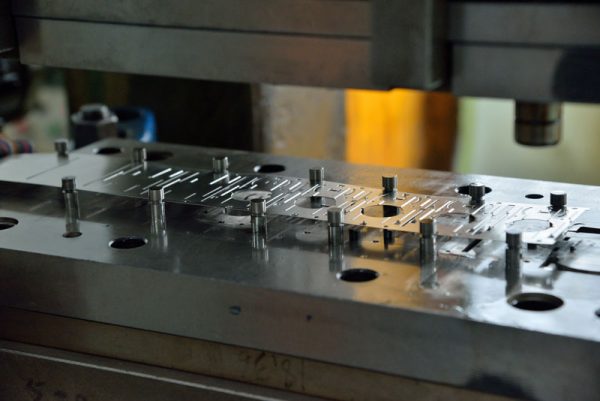
Understanding Medical Device Prototyping
Medical device prototyping is a vital process in the healthcare industry, enabling innovation and improvement in patient care. It involves creating a preliminary model of a medical device to test and validate ideas before full-scale production. The journey from concept to a functional device can vary significantly, depending on numerous factors. Key elements like regulatory requirements, design complexities, and testing procedures can impact the timeline. For instance, if a device is intended for surgical use, it must undergo stringent verification processes. This can lead to extended design cycles to ensure safety and efficacy, taking anywhere from a few weeks to several months to finalize a prototype. Understanding this timeline helps stakeholders manage expectations and plan accordingly. For more insights, check out medical device prototyping.
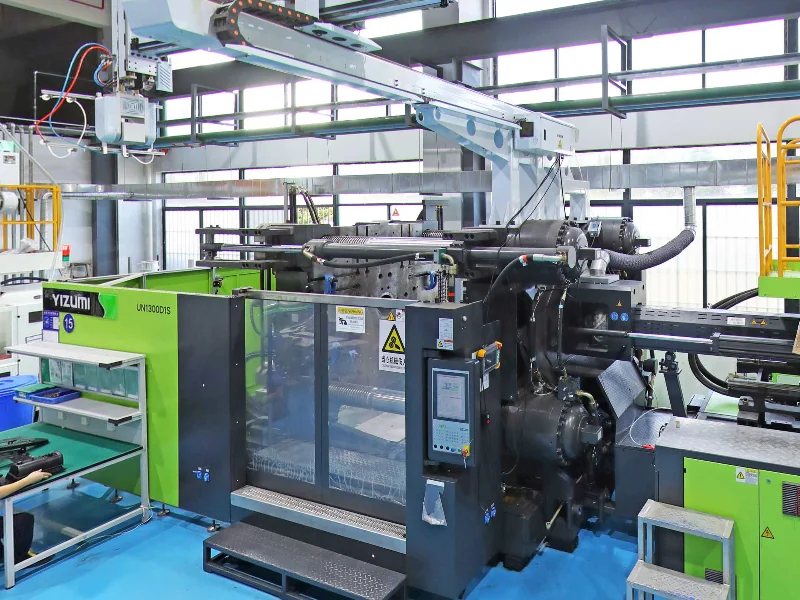
Practical Examples of Prototyping Medical Devices
When it comes to prototyping medical devices, consider real-world applications such as infusion pumps or wearable health monitors. For example, an infusion pump prototype may be developed, allowing engineers to assess its functionality in delivering precise doses of medication. This prototype will undergo various testing phases, including usability tests on healthcare professionals, to refine the design for optimal performance. You might envision a scenario where a prototype faces challenges in user interface communication, prompting further adjustments. These iterative refinements not only enhance efficiency but also ensure compliance with health regulations. Ultimately, the ability to simulate real-world conditions in the prototyping stage means greater confidence and reliability when the final product is launched.
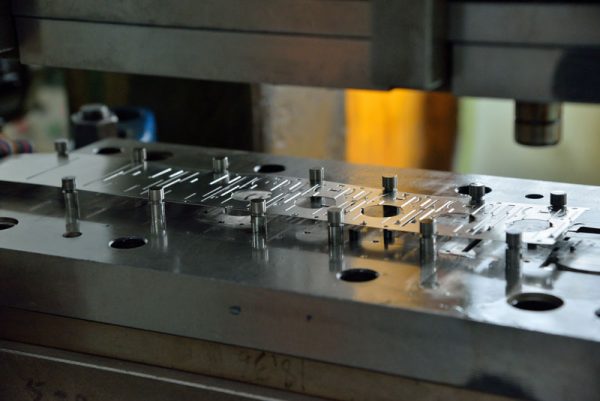
Challenges and Considerations in Prototyping Medical Devices
While prototyping medical devices is essential, it isn’t without its obstacles. Designers must navigate regulatory pathways, integrate feedback from potential users, and address manufacturing capabilities. For example, a concept for a cardiac monitor may sound fantastic, but the materials used and the technology integrated must meet specific standards to avoid potential issues. Manufacturers may delay larger production runs due to unexpected findings during testing phases, which delicately balances time and cost. Engaging closely with engineers during the prototyping phase minimizes such risk. Consequently, the right functional prototype could significantly sway the approval process, expediting your device’s journey to market and ensuring your investment translates into a viable healthcare solution.
Conclusion: APT-Mold as Your Trusted Partner
In conclusion, the process of medical device prototyping involves careful planning and execution to ensure successful outcomes. Understanding the intricacies can help streamline timelines and enhance product effectiveness. When looking for a reliable partner to navigate this complex landscape, consider APT-Mold. This manufacturer offers distinct supply advantages and a strong track record in delivering quality prototypes efficiently. Their experienced team is well-versed in the necessary compliance measures and industry standards, making them an ideal choice for your medical device prototyping needs.