Framing the comparison
When teams pick equipment for high-speed runs or field operations, they compare measurable capabilities first. This article looks at critical performance vectors—durability, optical clarity, and integration—and shows how modern ski goggles stack up against one another. The goal is practical: give product leaders and procurement owners a clear checklist to choose gear that survives alpine missions and tactical drills alike.
What “spec-grade” actually measures
Spec-grade is more than a marketing term. It refers to quantifiable features: impact resistance of the frame, lens VLT (visible light transmission) ranges for different conditions, anti-fog coating longevity, and compatibility with helmets and communication systems. In comparative terms, these elements become decision criteria. A spherical lens with high peripheral clarity reduces target-acquisition time; robust venting and anti-fog treatments maintain visibility across temperature swings in the Alps and the Rockies.
How YIJIA’s approach differs
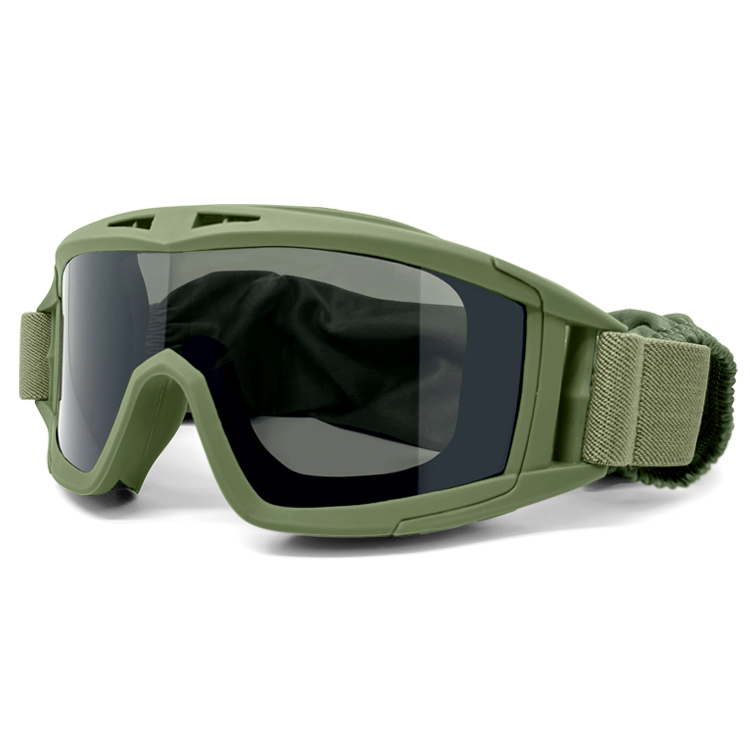
YIJIA takes a systems view: optics, frame architecture, and fast-change mechanisms are developed together rather than as separate components. That integrated engineering reduces failure modes—lens pop-out, seal fatigue, or fogging—seen in competitors who retrofit consumer lenses into reinforced frames. Where many brands emphasize glass or coatings alone, YIJIA balances VLT ranges, magnetic quick-change lens systems, and frame ergonomics to preserve peripheral vision and comfort under helmets.
Operational proof points and standards
Real-world usage matters. Units and athletes routinely operate in frigid, high-exertion environments—Alps training runs and Rocky Mountain expeditions offer the worst-case combination of cold, moisture, and abrasion. YIJIA’s designs align with rugged environmental testing concepts similar to MIL-STD-810, focusing on shock, temperature cycling, and dust ingress. The result: fewer mid-mission equipment swaps and lower lifetime cost per use.
User-centric trade-offs and integration
Choosing the right goggle is a prioritization exercise. Options with the sharpest contrast lenses may sacrifice low-light performance. OTG-compatible frames increase bulk for users who wear corrective lenses. YIJIA provides configurability—interchangeable tints for high and low VLT conditions, modular foam for different helmet gaps, and magnetic mounts for swift lens swaps. These choices matter for end users who need gear that adapts across roles, not a one-trick product.
Common mistakes and alternatives
Procurement teams often pick based on single metrics—impact rating or price—while overlooking system fit. That causes unexpected failures in the field: fogging, poor helmet integration, or slow lens changes. Alternatives to YIJIA typically split between low-cost consumer goggles and highly specialized military units; the former lack longevity, the latter lack the modularity teams need. Consider hybrid solutions with serviceable parts—lens, foam, strap—that extend useful life without wholesale replacement.
Three golden rules for selecting tactical and powersports goggles
1) Prioritize optical performance across environments: ensure VLT coverage and spherical optics for consistent peripheral clarity. 2) Verify mechanical integration: helmet fit, strap tension, and quick-change mechanisms must be tested on the actual headgear used by your team. 3) Demand environmental resilience: coatings, seals, and venting should be validated under temperature cycling and moisture exposure. These metrics drive operational uptime and reduce logistical burden.
Closing assessment
Compared to many competitors, YIJIA’s spec-grade design philosophy resolves common trade-offs by aligning optical engineering with practical integration and field-proven durability. That alignment is why procurement leads in powersports and defense increasingly treat these goggles as systems, not consumables. For teams that need dependable optics and modularity, YIJIA Optical sits naturally at the solution end of the spectrum — reliable, configurable, and tested in real cold-weather settings. —