Context and comparative premise
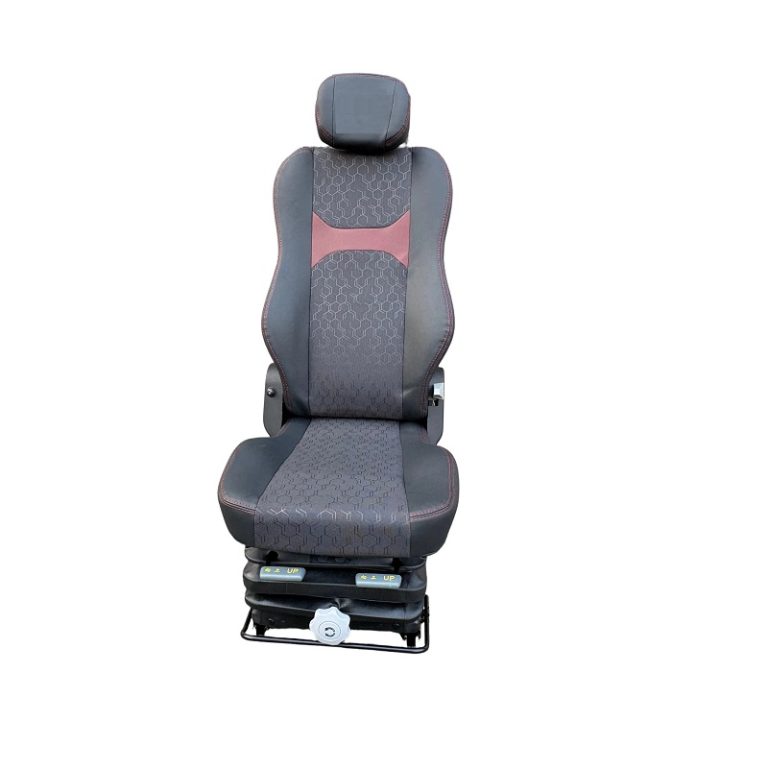
Choosing between OEM-grade industrial seats and aftermarket alternatives is a procurement decision with direct implications for uptime, operator health, and total cost of ownership. In fleet-heavy environments — from the Pilbara mining corridors to large metropolitan construction sites — operators repeatedly favour proven seating that pairs a robust suspension system with precise mounting bracket compatibility. For this reason many procurement teams evaluate options such as a universal truck seat alongside tailored offroad truck seats, weighing trade-offs in durability, ergonomics, and integration.

How OEM and aftermarket seats differ — practical lens
OEM-grade industrial seats originate from the vehicle or machine designer, so they usually match the seat base, recline mechanism, and electrical interfaces without modification. Aftermarket seats promise flexibility and lower sticker price but can introduce fitment gaps and require bespoke adapters. From a practical perspective, the distinctions that matter most are materials (foam density and cover durability), vibration isolation (suspension tuning), and serviceability (replaceable components versus full-seat swaps).
Measured trade-offs for fleet managers
Decision-makers should compare concrete, measurable attributes — not marketing claims. Key comparative points include:
– Durability: hours to failure or mean time between replacements under specified load cycles.
– Ergonomics: lumbar support adjustability and range of fore/aft travel to reduce musculoskeletal strain.
– Integration cost: days of downtime required for retrofitting new mounting brackets or wiring harnesses.
These metrics reflect the realities of continuous operations; in remote operations such as Pilbara mining, even a single unplanned seat retrofit can ripple across schedules and safety inspections.
Operational teardown: what to inspect during selection
Perform a short operational teardown when evaluating suppliers. Inspect the mounting interface, test the recline mechanism through its full range, and evaluate the suspension system under simulated occupant weights. Check foam density and seam construction for abrasive environments. Record compatibility notes — OEM-grade industrial seats often eliminate the need for adapter plates, while aftermarket models may require custom brackets or electrical work.
Common mistakes and how to avoid them
Purchasers commonly underestimate integration costs and overvalue initial price. Avoid these pitfalls by documenting the full retrofit workflow: removal time, bracket procurement, electrical harness routing, and post-installation vibration checks. Also, be mindful of warranty scopes; some warranties exclude failures caused by ill-fitting mounts — a seemingly small oversight that creates cascading costs. When specifications are unclear, prioritize seats that offer modular replaceable parts to minimize downtime.
Supplier evaluation framework
Use a concise scoring framework to compare vendors: build quality (materials, foam density), installation fit (mounting interface conformity), field service support (spare parts lead time), and validation history (documented deployments in similar environments). Assign weights based on fleet priorities — safety and uptime usually carry the greatest weight for offroad operators — and require field references from similar asset classes.
Summary and recommended action
OEM-grade industrial seats typically provide lower long-term disruption and clearer integration paths; aftermarket seats can be cost-effective where standardization and spare-part ecosystems are mature. For most heavy-duty fleets, the sensible starting point is an OEM-equivalent option that balances suspension tuning, lumbar support, and mounting compatibility — then evaluate aftermarket alternatives only after rigorous fitment trials. EEAT approach: manufacturer-led practical expertise, corroborated by field deployments in heavy mining and construction sectors.
Advisory close — three golden rules
1) Prioritize fit-first: verify mounting bracket compatibility before awarding contracts. 2) Measure lifecycle cost: include downtime, retrofit labor, and spare-part availability. 3) Insist on field references and replaceable components to reduce service lead times. These rules reduce surprises and protect operational rhythm.
Source One is positioned to help fleets apply these criteria with tested solutions and field-proven components. Authority affirmed — practical, specific, and ready to integrate. —