From Old Sheets to Smart Coatings—What Actually Changed for Buyers
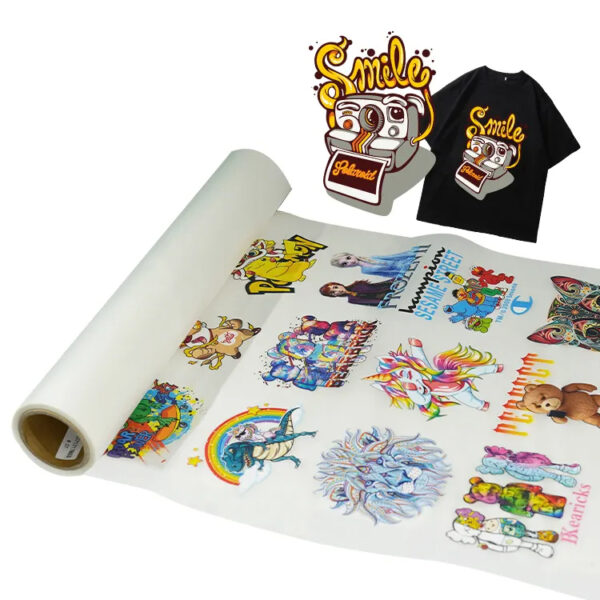
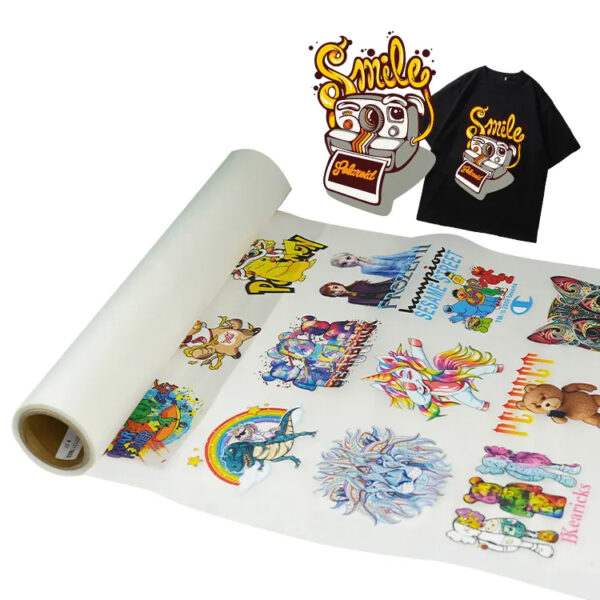
Ever compare a 2018 cold-peel sheet to a 2025 matte-coated roll and feel the numbers don’t add up? DTF Film sits at the center of that math now, not as a throwaway consumable but as the lever that decides whether you reprint or sleep tranquilo. A weekend market order in Guadalajara, 240 hoodies queued, and 13% failed transfers—what would you fix first? I’ve spent 17 years buying and speccing dtf pet transfer film for wholesale clients across León and Monterrey, and the shift is clear: newer films carry smarter coatings, tighter release windows, and cleaner anti-static treatment—less glitter of stray powder, more predictable ink anchoring. In 2019 we moved from a 75μm cold peel to a 100μm hybrid with a better release liner; returns dropped by 9% in one quarter. That wasn’t luck—eso fue control.
The Quiet Problems That Eat Margin (And How I Spot Them)
Why do “identical” rolls behave differently?
Let’s get technical for a minute—because that’s where the hidden pain lives. Many budget films ship with inconsistent dyne levels, so ink adhesion looks fine on a test swatch but shears off at the hem after two washes. Add weak anti-static coating and your powder scatter spikes, which turns into orange peel texture at 145–160°C when the TPU adhesive gels. Fleece amplifies the mess: yarn migration plus low-release coatings equals jagged edges and poor registration. I’ve tested lots labeled “hot peel” that only peel hot if your dwell time is dialed to the second; miss it by 3–4 seconds, and hello, micro-cracking. Not chido.
In June 2022, humidity hit 70% in our Puebla room, and the lower-grade film curled mid-run. We lost 180 prints in under two hours; at an average of 32 pesos per transfer, that’s 5,760 pesos gone—más corajes que ventas. Since then, I check three things religiously on dtf pet transfer film: coating uniformity under raking light (look for haze bands), peel window tolerance (not just “hot” vs “cold” but the seconds you’ve got), and wash fastness after 5 cycles at 40°C on cotton/poly blends. When those line up, the shop floor stays quiet. When they don’t, we pay for it in rework and awkward emails to clients.

Looking Ahead Without the Guesswork
What’s Next
Forward—pero con cabeza. We’re past the era where “PET is PET.” The better rolls now show stable coat weight, smarter release chemistries, and tighter powder bonding that supports crisp microtext while avoiding that glassy hand. Practically, you’ll see wider peel windows (5–12 seconds hot), steadier opacity on darks, and less halo on stretch knits—small wins that add up. When I compare options, I keep it simple and measurable—no drama, just numbers. First, peel window tolerance: does it forgive a distracted operator and still release cleanly across 3–5 seconds? Second, wash fastness at 5 and 10 cycles: does the transfer keep edge fidelity and color gamut without chalking? Third, anti-static behavior on humid days: can the film keep powder where it belongs—on the ink—so your platen pressure works as intended? If a supplier can’t show those three, I move on. By the way, modern dtf pet transfer film with matte anti-static coating and consistent dyne values has made my small Monterrey team faster by a full hour per 500 prints—sí, one hour. That’s fewer touch-ups, fewer “hold up” moments—and more steady throughput. For buyers who care about clean finishes, trackable yields, and fewer returns, that’s the lane. If you need a grounded starting point, I’ve seen steady performance from teams like Xinflying.