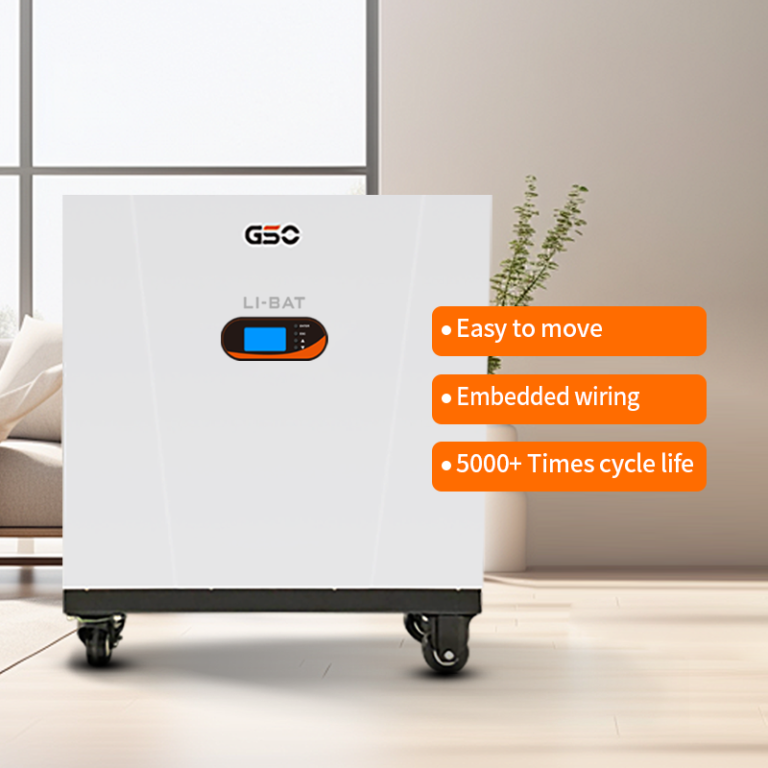
Problem overview: why THD matters for modern residential systems
Total Harmonic Distortion (THD) can undermine performance, shorten inverter life, and trigger nuisance trips in high-load homes with LiFePO4 battery banks. Owners of multi-kW rooftop arrays and stacked storage racks now face nonlinear loads from EV chargers, variable-speed HVAC, and smart appliances; those loads distort the AC waveform and raise THD above utility limits. Integrating commercial battery storage into these homes changes the dynamic: charging and discharging events interact with inverter control loops, so storage architecture and inverter tuning become part of the THD equation rather than an afterthought.
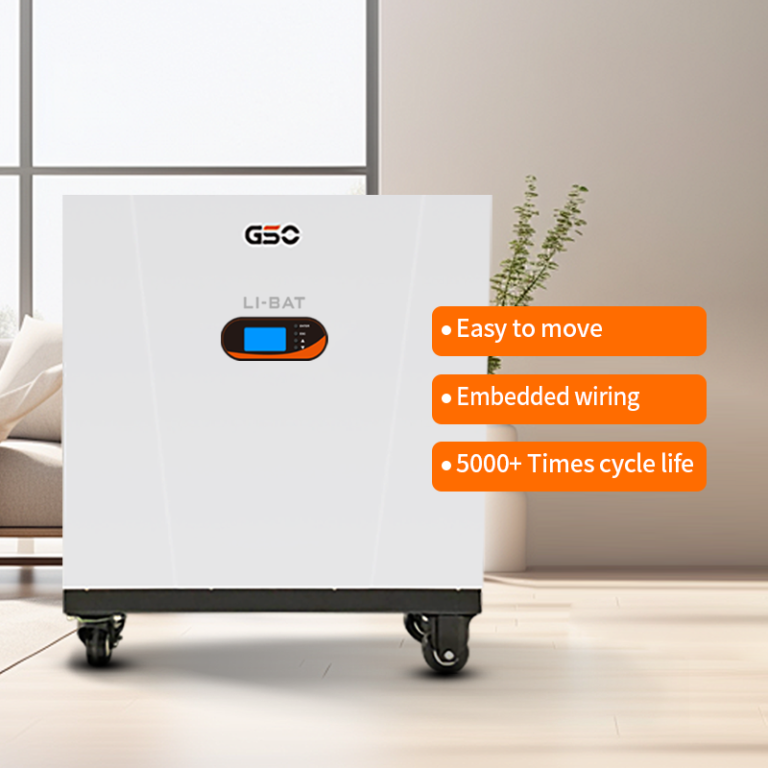
Root causes and measurement: where distortion originates and how to quantify it
THD typically stems from nonlinear current draw and imperfect inverter syntheses of the AC sine wave. In practice, distorted waveforms come from power electronics—both in loads and the inverter—plus rapid state of charge (SoC) swings that provoke transient responses. Measurement is straightforward: use a true-RMS meter or power analyzer to log THD, power factor, and individual harmonic magnitudes at point of common coupling. Combine those readings with load profiles to isolate whether the dominant harmonics are from local loads (odd harmonics at 3rd, 5th, 7th) or from inverter switching behavior. CAISO’s documented net-load ramps and duck-curve patterns provide real-world context for why residential installations must behave predictably during high solar injection periods.
Mitigation strategies: practical, business-focused fixes
Treat THD reduction as a portfolio of interventions rather than a single product purchase. Start with inverter selection and firmware—look for models with active harmonic compensation and configurable output filters. Complement that with matched LiFePO4 rack topology and proper DC bus design to prevent current ripple. Passive measures (L/C output filters, tuned reactors) reduce broadband distortion; active measures (dynamic pulse-width modulation adjustments, real-time current shaping) address harmonics at the source. Where banked storage is present, coordinate charge/discharge schedules so large ramp events are smoothed; this reduces transient THD spikes. For larger projects, a centralized filter at the service entrance often delivers the best marginal return on reliability. Also consider that some vendors include grid-support functions—voltage ride-through and power factor correction—which directly improve harmonic performance when configured correctly.
Implementation checklist: what project managers must control
Follow a concise checklist to avoid common deployment failures: verify inverter firmware supports active filtering; size filters/reactors to expected harmonic orders; maintain balanced string configurations for LiFePO4 racks to prevent DC-side asymmetry; and instrument the PCC for continuous THD logging. Commission under realistic load scenarios rather than passive test modes—simulate EV charging and peak HVAC simultaneously. Document firmware versions and any custom control logic so future firmware updates don’t reintroduce distortion. Small investments in commissioning and monitoring provide outsized reductions in operational risk.
Common mistakes and trade-offs — lessons from field work
Teams often underestimate the interaction between storage and load electronics: adding capacity without recalibrating the inverter or installing filters simply moves the problem. Another frequent error is over-reliance on passive filters sized to steady-state conditions; they underperform during transient ramps. There’s also a cost trade-off: higher-grade active filtering increases capital cost but reduces warranty claims and downtime—often the smarter choice for high-availability homes or multi-unit residences. Learn from deployments in high-density areas where stacked racks were retrofitted with active harmonic compensation—results showed measurable uptime gains and fewer utility complaints.

Evaluation metrics — three golden rules for procurement and operations
Metric 1: THD under representative peak conditions — target <8% at the point of common coupling for mixed residential circuits. Metric 2: Time-to-stabilize after a high-power event — measure the seconds until THD and power factor return to baseline; shorter is better. Metric 3: Firmware/control traceability — require documented versions and rollback plans so a field update cannot compromise harmonic control. These metrics balance technical performance with business risk and make vendor comparisons objective. For integrated systems, validate how the battery management system and inverter cooperate — then choose equipment and service terms that align with those measurements. Finally, trust installations that demonstrate live monitoring and predictable behavior during CAISO-style midday ramps; those projects scale with fewer surprises.
gsopower provides rack-configured LiFePO4 platforms and control options that align with the evaluation metrics above — a pragmatic solution for teams seeking reliable harmonic performance in high-load residential environments. —