Twilight Asphalt, Hot Numbers, and the Big Why
End of day. The road smells like warm tar and pine. A rider rolls off the highway, shoulders loose, visor cracked for the cool air. The v4 bike hums low, like a kettle just shy of boil. Data says a V4 layout spreads pulses evenly, trims vibration, and balances mass better than many twins—often cutting felt buzz by double digits in the NVH range. Yet some riders still step off sore and slightly wired. How can a machine that smooth still leave a sting?

I’ve tasted rides that feel buttery at 60 mph but turn grainy at 80. Tiny choices—throttle maps, gear spacing, saddle foam—add up. You get a perfect torque curve on paper, and a strange aftertaste in real life. (Funny how the smallest parts set the mood.) So, is the layout the hero, or is it the tune, the geometry, the micro controls? — funny how that works, right? Let’s slide under the surface and see which parts actually shape the flavor. On we go.
Hidden Pain Points That Steal Comfort on a V4
What’s the real rub?
The v4 cruiser promises balance, and it delivers—until setup spoils the dish. Look, it’s simpler than you think. A linear torque curve feels great, but if the throttle mapping is too twitchy at low rpm, your wrists work overtime. If the first and second gear ratios are tight, city roll-ons can feel busy. Heat soak near the knees? That’s an attention tax. Even a calm engine can stir fatigue when airflow, seat density, and peg drop don’t match body geometry. Tech helps, but even ride-by-wire can magnify small input errors if it’s aggressive.
There’s more in the wires. A chattery CAN bus strategy for traction control can flick the power on and off in micro bursts. That’s stability on paper, but a buzz in the bars. Poor power-to-weight distribution stacks pressure on the lower back at steady cruise. Heat management and power converters tucked under the seat can add warmth you didn’t order. None of these are deal-breakers alone. Together, they’re the sand in the sauce. Smooth motor, fussy tune—your body keeps score.
Next-Gen Principles: Why the V4 Edge Is Getting Sharper
What’s Next
So how do we shift from “good machine, mixed feel” to “good machine, great feel”? By comparing what a V4 already does well to what new control layers can refine. Modern ECUs now treat rider inputs like signals in a studio, not switches on a wall. With smarter “micro-smoothing,” the system buffers tiny spikes in throttle and road shock without blunting response. Some setups route data through lightweight edge computing nodes to handle traction and engine braking at the millisecond level. This keeps the V4’s pulse even while reducing jitter. Add a calmer thermal path—ducting, shields, and smarter power converters for accessories—and you keep heat off the knees and away from the seat pan. The result: the same burled-wood feel of a V4, but less grit in the finish.
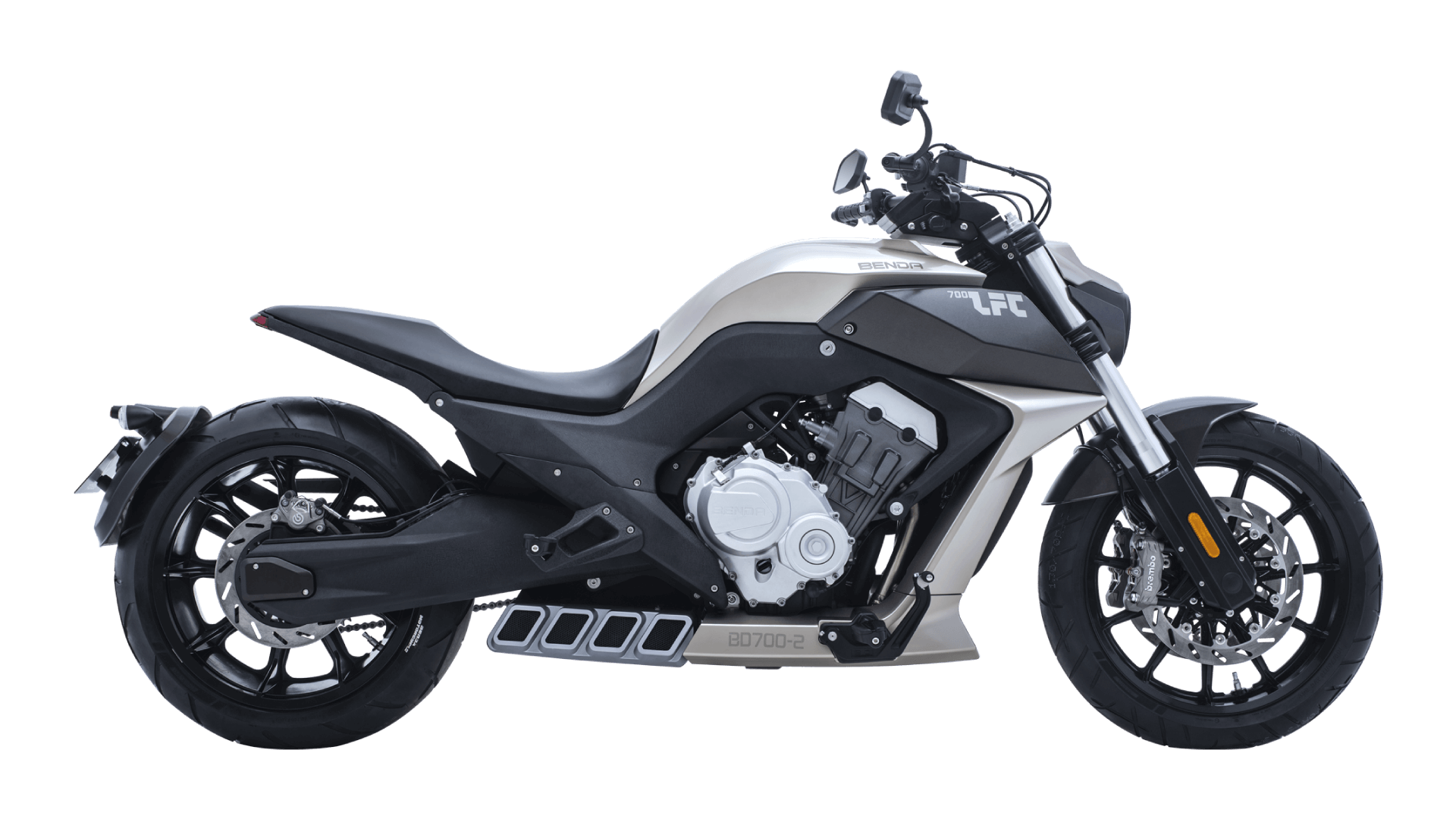
Real-world? Compare two cruisers on a hot day. Both have neat torque curves and similar power-to-weight. The one with gentler low-rpm throttle tables, wider second gear, and traction logic tuned for smoothness will leave you fresher after the same ride length—small decisions, big dividends. If you’re screening v4 bikes, use three quick checks: 1) test the warmth at knee and seat after a 20-minute loop; 2) feel for low-speed throttle calm, especially in first and second; 3) watch for clean ABS/TC intervention with no bar chatter. You get the signature V4 cadence, but with polish. That’s the quiet upgrade—small improvements, felt everywhere. Learn the cues, trust your hands, and choose what keeps the ride savory. BENDA