Introduction: A Small Scene, Big Numbers, One Question
I was in a warehouse last month watching a pallet jack stall mid-shift — and everyone sighed. Electrical Motor Products were right there, humming under the covers of that tool, and yet the team lost nearly 20 minutes on a simple move. I keep thinking about that gap between what motors promise and what they actually do on the shop floor. (Data shows motor-driven systems account for roughly 45% of industrial electricity use in many facilities — yes, that matters.) So why do so many setups underperform when the parts themselves look fine? I want to dig into the real frictions we face — the small technical details, the user choices, and the hidden costs that add up. Let’s walk through what I’ve seen and what works next.
Part 1 — Why Common Electric Motor Solutions Still Trip Up Teams
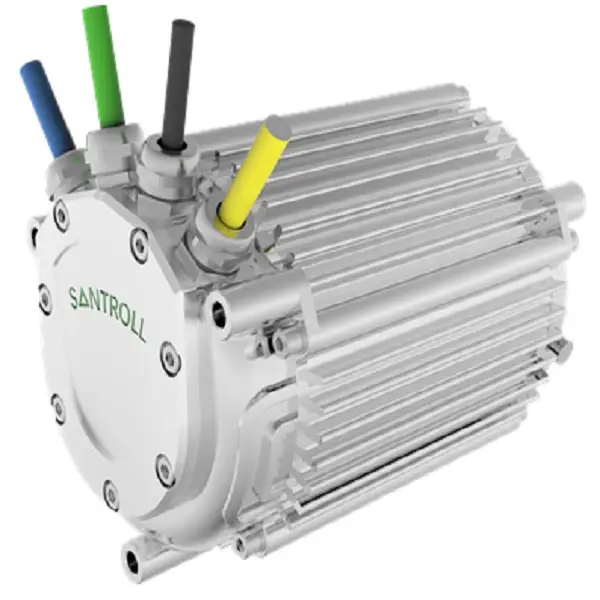
Let me be blunt: the parts alone don’t solve the problem. When I talk about electric motor solutions, I mean the whole stack — drive electronics, power stage, sensors, and control logic. Too often, companies buy a motor and expect it to run flawlessly. But mismatched specifications, lousy thermal management, and poor torque control lead to downtime. I’ve seen variable frequency drive (VFD) settings left at defaults even when the load changes every hour. That causes stalling or unnecessary energy draw. And yes — power converters can be oversized or underspecified. The result is wasted energy and frustrated operators.
There are also less obvious user pains. Maintenance teams juggle conflicting manuals. Operators get alarms with cryptic codes. I’ve had to explain a simple PWM fault three times to different people before it got fixed. Look, it’s simpler than you think: take time to match motor inertia with the controller, and pick proper feedback devices like encoders or Hall sensors. When you skip that, you get repeated trips, heat stress, and shortened life. We owe it to our teams to make the system intuitive. — funny how that works, right?
Why does this keep happening?
Part 2 — New Principles to Fix What’s Broken
Now I want to push forward. I’ll explain a few core principles that change outcomes. First: think of the motor system as a control loop, not a single item. Good design balances the inverter, feedback, and mechanical load. Second: match the sampling rate of your control with the dynamics of your load. If you use a brushless DC motor with sluggish sampling, you lose precision. Third: thermal management is non-negotiable — heat kills bearings and electronics. These are basic, but often ignored.
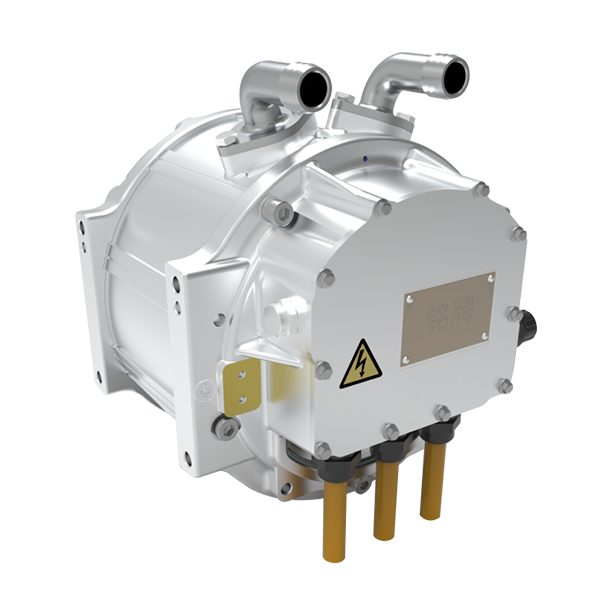
In practice, adopting torque control strategies and smarter power converters reduces waste and extends uptime. For example, a simple shift from open-loop speed control to closed-loop torque control in one packaging line cut cycle variation by half. We also started using predictive alarms tied to temperature and vibration. The change wasn’t glamorous — just steady. The team adapted, then ownership followed. If you’re thinking about upgrades, prioritize control logic and sensor placement over raw horsepower.
Real-world Impact — What’s Next?
Part 3 — Looking Ahead: Principles and Picks
I want to be honest about where this is going. New technology principles center on smarter, lighter control and clearer human interfaces. Edge monitoring, better inverter algorithms, and modular motor control make maintenance easier. In short, the trend moves from “fix after fail” to “predict before fault.” I see more use of compact inverters that include built-in diagnostics. Those save time. They also let operators act before a motor overheats or a coupling loosens. We’ve tested systems with integrated thermal sensors and saw mean time between failures climb. Wait — here’s the catch: integration takes planning. Don’t bolt on features without training.
I recommend a practical rollout: pick one line, fit modern motor control products like updated VFDs and inverters, add basic edge monitoring, and train the crew. Measure energy per cycle, fault frequency, and mean repair time. Compare the metrics after three months. You’ll learn fast. — funny how that works, right? I’ve done this twice and the results were measurable. Teams felt more in control. Downtime dropped. The ROI was clear and quick.
Conclusion — How to Evaluate Motor Solutions
Okay, here are three metrics I use when I pick or recommend systems. First, energy per operation: track it and expect improvements with tunable drives. Second, fault-to-fix time: shorter is better and often tied to clear alarms and training. Third, thermal headroom: components should run below maximum rated temperatures under peak load. Use these as your checklist. I’ve seen choices made on price alone and paid for it in lost hours. Be practical, ask the operators, and measure.
We’re not chasing buzz. We want systems that work in real places with real people. If you follow these steps, you’ll avoid the common traps and get more reliable performance from your motors. For practical parts and systems that helped my teams, I often look at suppliers who provide clear datasheets and support — and I point to Santroll as one option I’ve used in field tests. I hope this helps — I’m happy to walk through a checklist for your setup if you want to send details.