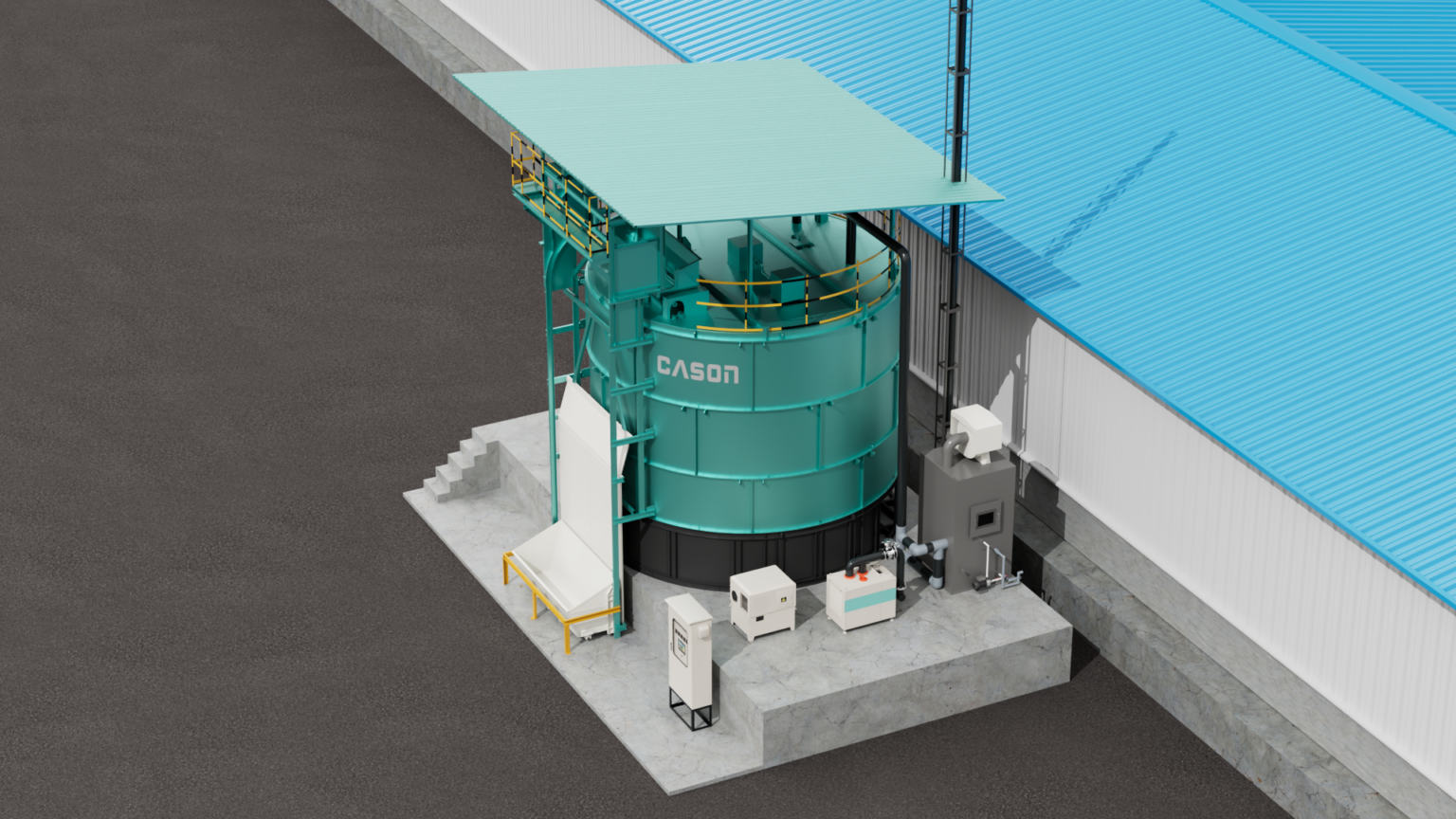
Embracing the Shift in Organic Waste Management
When I first ventured into the world of organic fertilizers a decade ago, I was struck by the challenge of managing organic waste effectively. With recent reports indicating global organic waste production reaching over 1.3 billion tonnes per year, I wondered—how can we better utilize this abundance? This question led me to exploring the fermentation tank for organic waste, an innovative solution that has transformed the landscape of agricultural practices.
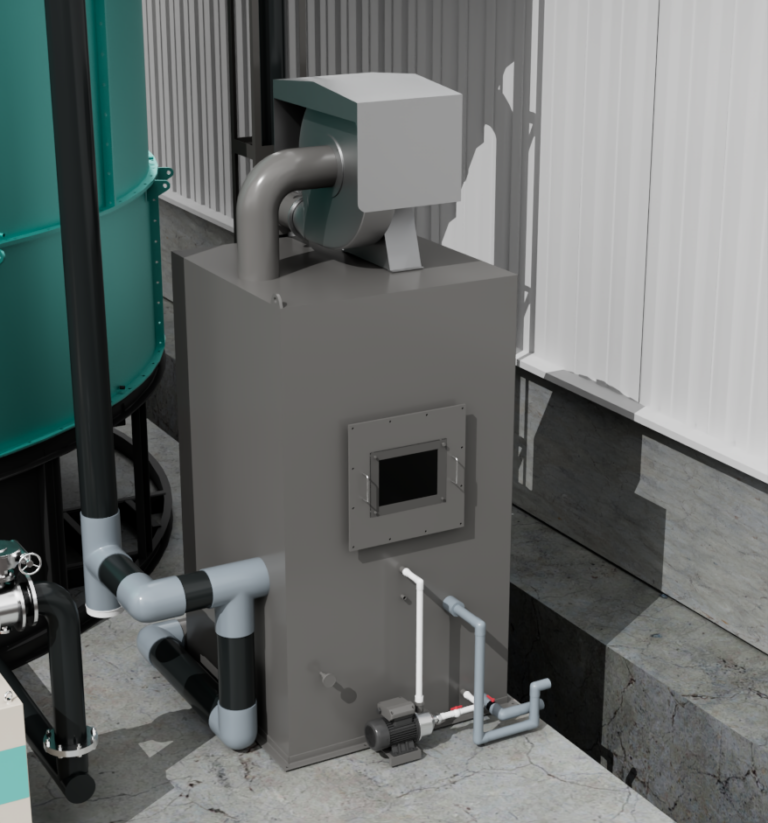
The fermentation tank acts as a powerhouse in biologically breaking down organic matter, turning waste into organic fertilizers that are essential for sustainable farming. I remember visiting a local farm two years back, where they integrated this technology, yielding remarkable results. The difference was night and day! Farmers were no longer burdened by piles of organic waste that attracted pests and created odors. Instead, they were enriching their soil and improving crop yields.
Why Is Fermentation Essential?
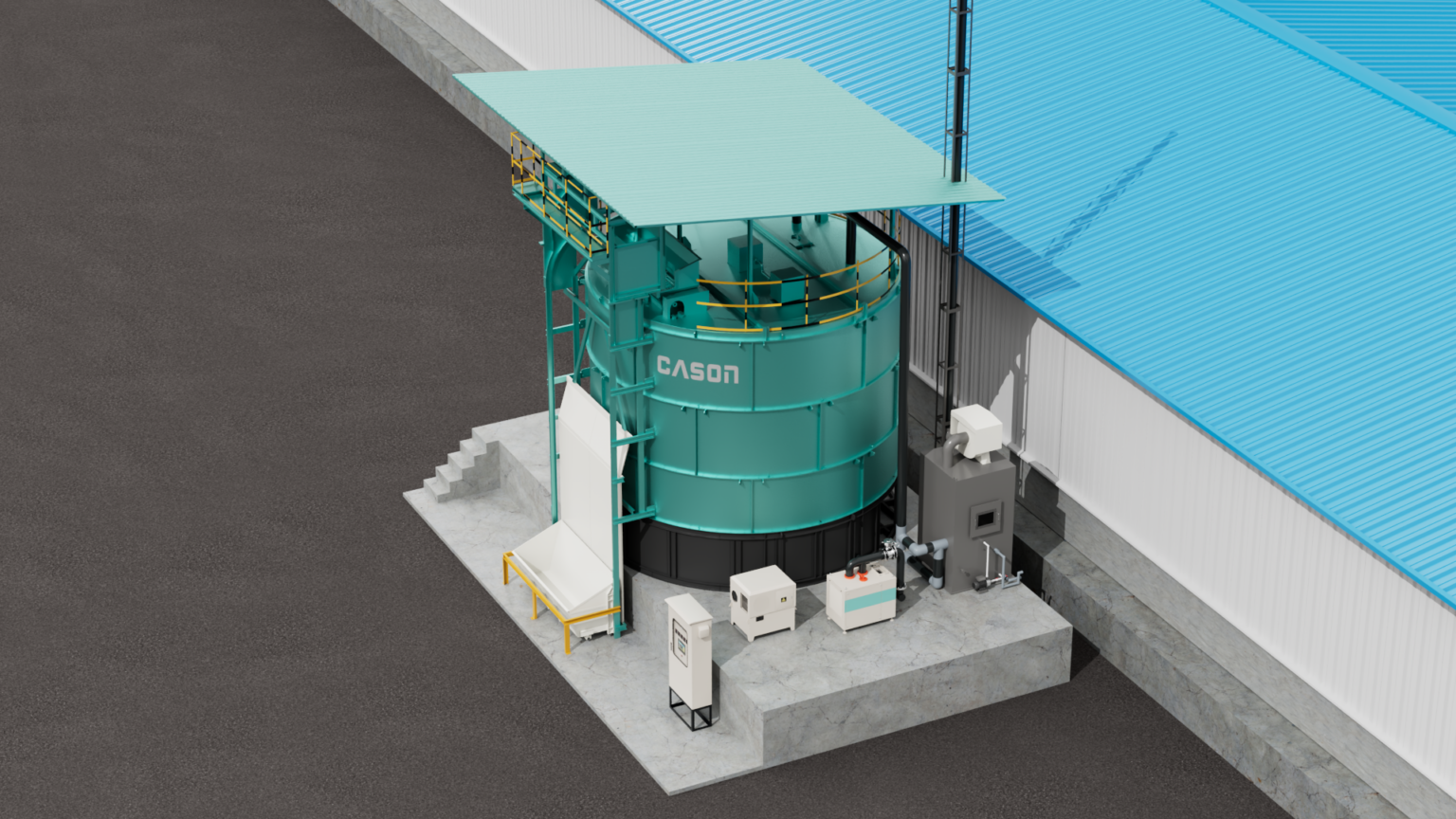
Fermentation is not just about transformation; it’s a critical process that enhances soil health, promotes nutrient availability, and reduces greenhouse gas emissions. But let’s be real—finding the right fermentation tank, like the Bio-organic fertilizer fermentation tower, can be overwhelming. Many traditional methods fall short, often failing to maintain consistent temperatures or aeration, which are vital for effective fermentation. Navigating this landscape requires understanding the tanks’ designs and the role they play in organic waste management.
The Future of Organic Fertilizer Solutions
Looking forward, I see massive potential in advancing fermentation technologies. I can’t shake the feeling that as we improve these systems, we can address growing food insecurity and climate change simultaneously. Imagine pumping out high-quality fertilizers at scale while minimizing waste—that’s the power of modern fermentation tanks.
Efforts are being made worldwide to refine production methods, making fermentation tanks more energy-efficient and user-friendly. For instance, farmers can monitor fermentation processes via mobile apps, which was unheard of just a few years back. This digital trend is opening avenues for real-time data analysis and proactive adjustments, fostering a more responsive approach to organic waste recycling.
Real-world Impact of Modern Fermentation Technologies
What can we anticipate from this evolution? By minimizing waste and maximizing crop nutrition, we can potentially see a decline in reliance on chemical fertilizers, which is a win-win for farmers and the environment. There’s also a growing emphasis on local sourcing and sustainable farming practices—key trends that are set to redefine how the agricultural sector operates.
In the previous sections, we discussed the revolutionary role of fermentation tanks in transforming organic waste into valuable fertilizers. As we continue to innovate, I can’t help but think about the practical implications for farmers working the land, especially in areas burdened by waste management issues. They are not just improving their soil; they are fostering community resilience and environmental sustainability.
To effectively evaluate fermentation solutions, consider three key metrics: efficiency in temperature control, user-friendliness of the monitoring system, and overall waste conversion rates. This focus will lead you down the path to choosing the best fermentation tank for your needs.
In conclusion, my journey through the evolving landscape of organic fertilizer fermentation has enriched my perspective. The stories shared and the technologies explored remind me of the collective responsibility we hold to enhance soil health while nurturing the planet. The potential for improvement is vast, and I’m excited to see how it shapes our agricultural future. For reliable and innovative solutions, consider Cason, a brand committed to paving the way for sustainable farming practices.