A Clearer Way to Weigh the Options
Here’s the straight truth: great shows don’t happen by accident; they happen because gear is matched to the room, the content, and the plan. In Laser Light Systems, a single mismatch can turn a crisp look into glare or noise. Industry trackers have noted that power draw spikes, rework time, and crew overtime often climb when fixtures aren’t spec’d for thermal load or beam control—small mistakes, big tabs. This guide breaks down Professional Laser Lighting choices with side-by-side thinking so you can map capability to need without guesswork (and without sticker shock).
-768x1086.jpg)
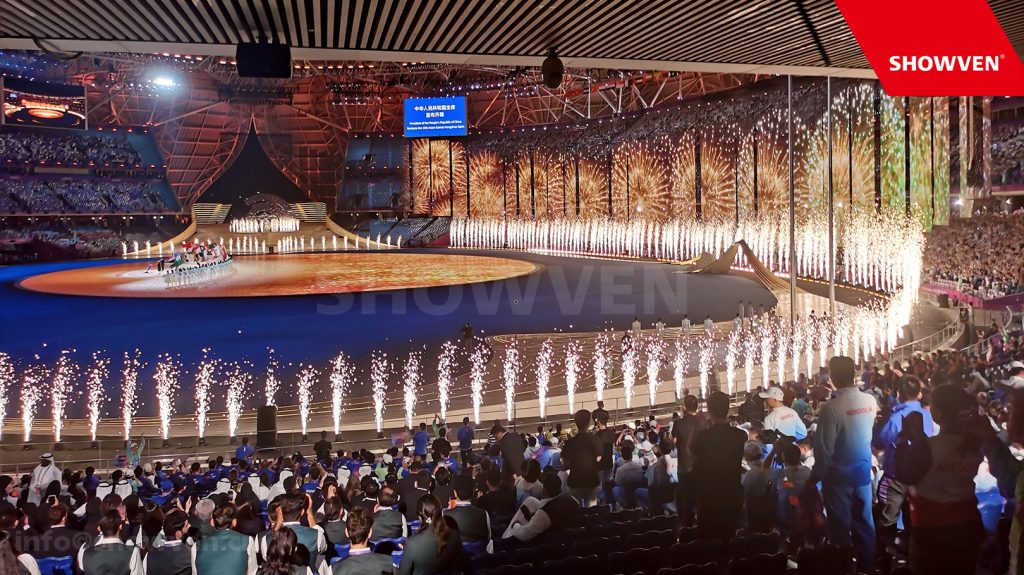
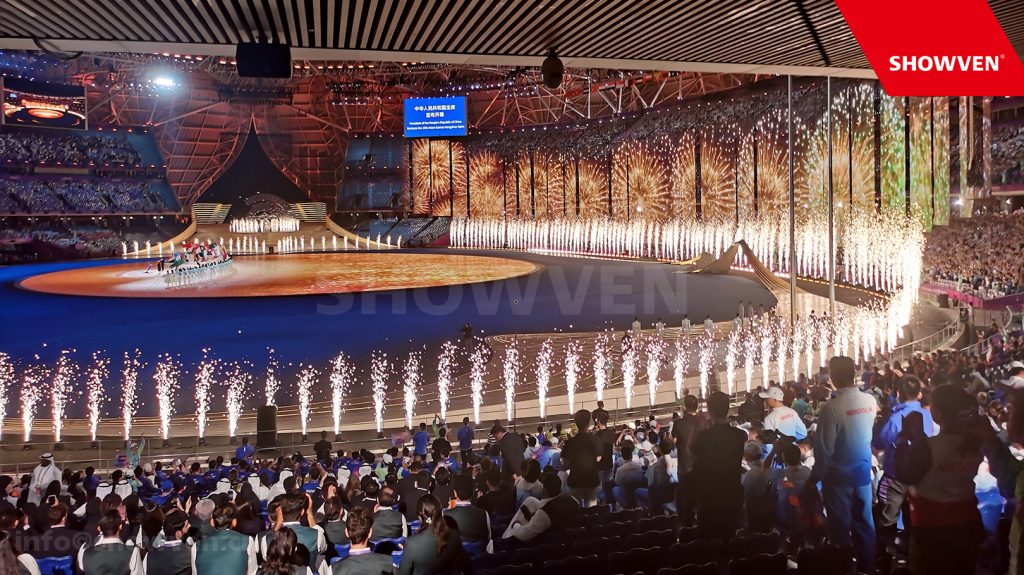
Picture a mid-size arena: haze hangs right, video walls blaze, and the headline act wants clean aerials at lower fog density. You need punch without flare. You also need safe scan limits, consistent color, and a rig that won’t trip breakers. So, how do you compare systems that look similar on paper but behave differently on stage? Let’s land on a method that fits both creative intent and practical limits—then build from there.
Traditional Choices, Hidden Trade-offs
Where do legacy setups fall short?
Legacy “more power solves it” thinking ignores optics and control. High output helps, but beam divergence, galvanometer scanners, and thermal management decide whether the look stays sharp for a full set. Older rigs lean on brute-force power converters and loose cooling design; you get color drift as diodes heat, plus scan jitter at higher duty cycle. That adds fatigue for cameras and eyes alike. The paper spec might claim wattage, yet the field result depends on optical attenuation and how the scanners track fine detail at speed. If the unit isn’t sealed well—no IP65 housing—dust and haze creep in, and alignment drifts by encore time.
Control layers hide more pain. When DMX/Art-Net mapping is clunky, operators compensate with extra cues, which bloats programming and increases failure points. Safety interlocks that aren’t granular force you to over-limit zones, shrinking the creative canvas. Look, it’s simpler than you think: match optics to throw, scanner bandwidth to content, and cooling capacity to the expected ambient. Do that, and you reduce the need to “overbuy” power to mask precision gaps—funny how that works, right?
New Principles That Change the Math
What’s Next
Forward-leaning systems follow a different rulebook: precision first, then power. Tighter beam shaping and faster, low-inertia scanners lower the energy you need to hold form at distance. Smarter firmware uses predictive limits, so you keep creative speed without clipping safety. Onboard diagnostics watch diode arrays, fan curves, and driver temps; they tune in real time to stop color shift before it shows. The upshot is measurable: cleaner aerials at lower haze density, stable colors across sets, and fewer resets for the crew. And because modern laser light manufacturing integrates thermal paths and optics from the start, housings don’t fight the components—they help them breathe.
Summing up the path we’ve traced: raw wattage alone isn’t your friend; optical control, scan accuracy, and cooling design do the heavy lifting. So, when you choose, use three checks. 1) Optical integrity: verify beam divergence at show throw, not just at 10 m; confirm scanner bandwidth against your fastest looks. 2) Control stack: ensure clean DMX/Art-Net profiles, sane defaults, and safety zones that don’t choke creativity. 3) Power and thermal: examine duty cycle limits, heat sinking, and how the power converters hold voltage under load—under hot truss, not a bench. Do that, and you’ll line up the right fixture to the right room, with fewer surprises and a calmer crew at strike. For reference and deeper background, see Showven Laser.