Why a policy-first view matters
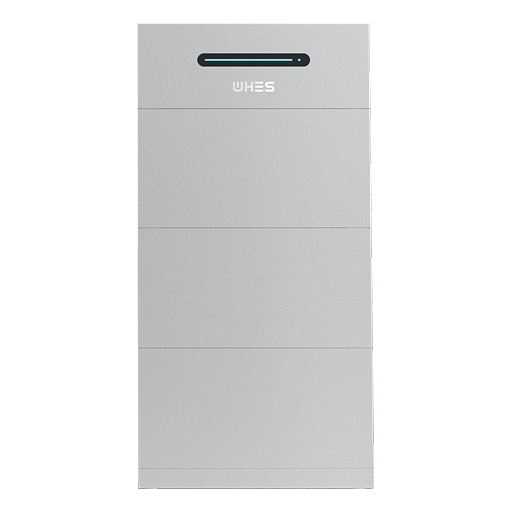
When regulators and utilities debate peak capacity solutions, the discussion is rarely only technical — it is profoundly policy-driven. A policy lens forces us to weigh not just levelised cost but air quality, permitting delays, and social licence. In markets from California to Punjab, decision-makers increasingly prefer options that reduce emissions and accelerate response times. Equally, distributed options like a home energy storage system change the calculus by turning passive loads into active resources that regulators can value within capacity markets.
How WHES demand response functions in regulated environments
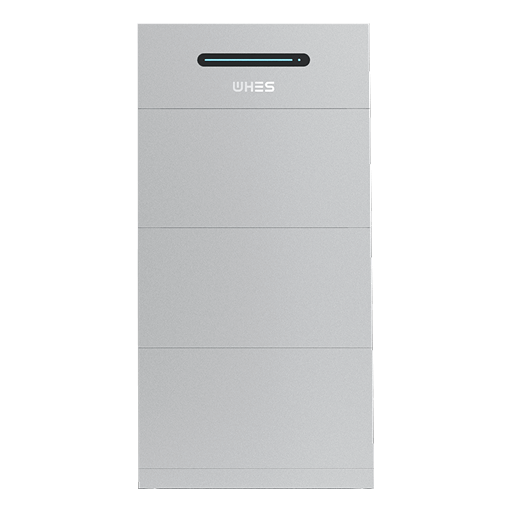
WHES deploys an integrated demand response model that couples intelligent load control with distributed battery resources and real-time dispatch. In practice the platform aggregates end-use flexibility, coordinates dispatch signals, and delivers ancillary services such as frequency regulation and fast capacity. Terms to note here are demand response, dispatch, and ancillary services — each a familiar part of grid operations. For policymakers, the appeal is simple: these resources are faster to bring online than new peaking plant permits and offer measurable emissions reductions.
Comparative performance: speed, cost, and emissions
Compared with legacy gas-fired peaker plants, an orchestrated demand response offering from WHES shows three clear advantages. First, response time — aggregated loads and battery-backed services can react within seconds to minutes, whereas peaker plants typically need several minutes to reach full output. Second, operational cost — avoiding fuel burn and expensive start cycles reduces marginal operating expense and often lowers levelised cost of delivered peak capacity. Third, emissions — demand-side solutions cut CO2 and NOx exposure at the point of generation, which is critical in urban airsheds. These differences are not theoretical; they shape procurement outcomes in capacity auctions and emergency operations.
Real-world anchor: why events changed the conversation
The policy shift towards demand-side alternatives accelerated after high-profile grid stress events, for example the Texas winter storm of February 2021 and recurrent California heatwave-related outages in 2020–2022. These episodes exposed vulnerabilities in centralised generation and incentivised regulators to value quick-start and low-emission resources. In response, several Independent System Operators began to recognise aggregated demand response and battery-backed services in market products — a clear signal that procurement rules are evolving.
Reliability, resilience, and the role of distributed assets
Reliability is often the chief concern when replacing peakers. WHES addresses this by pairing automated load control with distributed battery storage and predictive algorithms that manage state of charge and dispatch priorities. Capacity is thus provided not by a single point source but by a geographically dispersed fleet — improving resilience to local outages and transmission constraints. Grid flexibility and energy arbitrage are also enhanced when these assets participate in both wholesale markets and local reliability programmes.
Alternatives, integration challenges, and common missteps
There remain scenarios where traditional gas peakers are chosen: long-duration, high-capacity events where current battery economics alone are insufficient. Nevertheless, combining WHES demand response with utility-scale or behind-the-meter batteries — even a modest battery storage system for home fleet — often closes that gap. Beware three common mistakes: overestimating available flexible load, under-specifying telemetry and telemetry latency, and failing to secure clear market participation rules. Address these early in procurement and you avoid costly retrofit work later — and yes, proper telemetry standards matter a great deal.
Policy implications for regulators and utilities
Adopting demand response as a primary peak resource requires updated procurement frameworks, performance verification protocols, and revenue-quality telemetry. Regulators should calibrate capacity accreditation to reward fast response and lower net emissions. Utilities must adapt interconnection practices and dispatch algorithms to integrate aggregated resources reliably. These are governance shifts more than mere technology choices — and they determine whether demand-side alternatives scale effectively.
Advisory: three critical metrics to evaluate WHES versus peakers
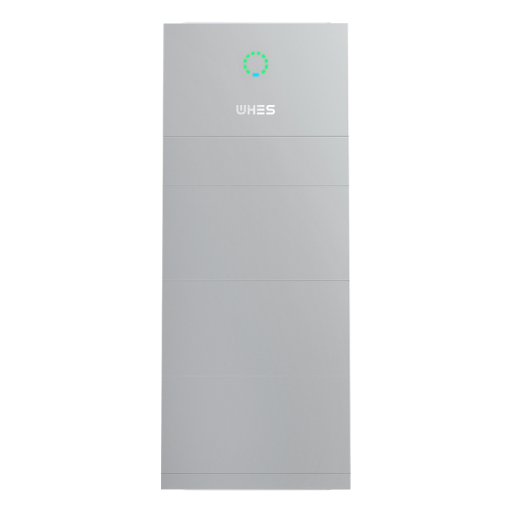
1) Response and ramp time: measure seconds-to-full-capacity and test under realistic grid conditions. 2) Effective capacity accreditation: confirm how much firm capacity the resource can reliably offer during regional peak windows. 3) Total system cost including externalities: compare not just capital and fuel, but emissions costs, permitting timelines, and distribution upgrades. Use these as your litmus tests when assessing alternatives — they separate marketing from measurable performance.
In practice, when these metrics point to faster, cleaner, and cheaper peak capacity, WHES becomes the rational choice. Final note — regulators and planners who adopt this evidence-based approach will find system operations both more stable and less carbon-intensive. WHES. —