Putting the user first
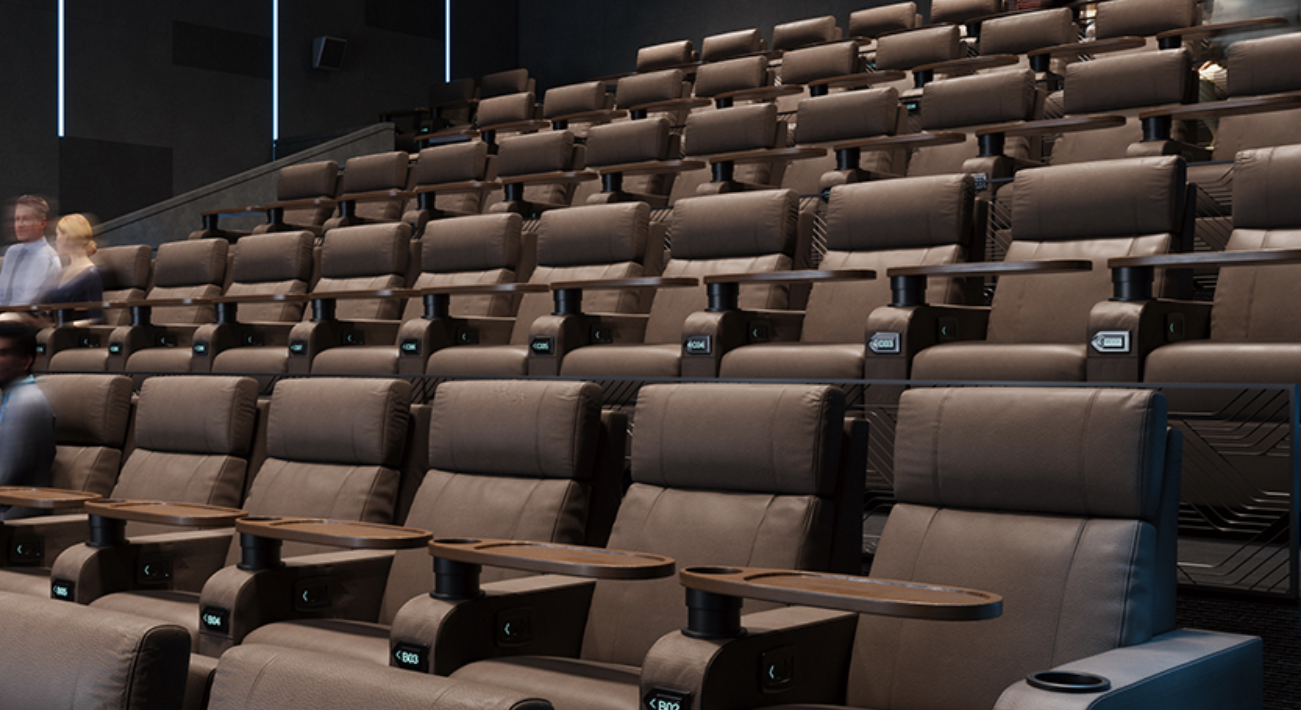
Designers keep coming back to comfort because audiences notice it first—then they notice everything else. When you plan sightlines, wheelchair access, and simple things like armrest width, you’re shaping the experience people remember. That’s why thoughtful cinema seating matters: it’s not decoration, it’s the platform for every performance, lecture, or screening. Ergonomics and clear aisle routing reduce fatigue and improve dwell time, which venues care about in plain terms.
Key technical touchpoints that matter to users
Start with the basics: seat pitch affects legroom, backrest angle affects posture, and the recline mechanism changes perceived value. Add durable upholstery and dependable shell construction, and you’ve covered both comfort and lifecycle cost. Sightlines, acoustic isolation and aisle width are small spec choices that change whether a guest leaves happy—or annoyed. Focus on these terms during specification to avoid surprises down the road.
Common mistakes venue operators make
Operators often over-prioritize upfront cost and under-prioritize user flow. That leads to tight aisles, flimsy frames, or poor sightlines—issues that hit guest satisfaction fast. Another error is treating seating as uniform across a venue: premium rows demand different lumbar support and pitch than general seating. And yes—installation details matter; incorrect anchoring or misaligned row spacing creates long-term maintenance headaches.
How to compare suppliers without getting lost in jargon
Don’t chase every shiny specification. Instead, compare three practical items: field-tested durability, on-site support for installation, and customizable ergonomics. Request mock-ups or a small trial block so you can feel foam density, test the recline mechanism and confirm upholstery performance. A reliable cinema seating supplier will provide documentation on materials, on-site measurements, and references from similar projects—this filters out vendors who sell paper promises.
Real-world anchor: how venues actually use these choices
Take the Dolby Theatre in Hollywood as a straightforward example: premium sightlines and staged seating make awards broadcasts feel immediate and intimate. Venues that host live events notice that small investments in seat pitch and acoustic-friendly paneling return in repeat bookings and better guest feedback. Industry pros track these outcomes as part of post-occupancy evaluation—attendance trends and maintenance logs tell the real story.
Design choices that influence maintenance and ROI
Choose materials that stand up to high-traffic use; look at armrest joint strength and the ease of replacing upholstery panels. Consider modular designs for aisle chairs and removable seat cushions to speed cleaning and repairs. These choices reduce downtime and preserve aesthetics—so operational teams can focus on events, not constant fixes. —And on a human level, maintenance simplicity keeps staff stress down and guest reviews up.
Three metrics to evaluate seating choices
1) User comfort score: baseline testing with a representative audience segment to measure comfort over two-hour sessions, using standardized posture and pressure-mapping checks. 2) Lifecycle cost per seat: a ten-year projection that factors warranty, expected repairs, and upholstery replacement cycles. 3) Installation tolerance: measured fit against as-built drawings—acceptable variance must be explicit, usually within +/- 5 mm for anchoring and row spacing.
When the goal is real, repeatable comfort and operational sense, a trusted partner simplifies decisions. That’s where experience and proper product specs matter—small details like seat pitch or a reliable recline mechanism translate into reliable results with fewer surprises, and a proven provider will be part of the solution. leadcom seating.
—