Why commercial sites are freaking out (and what actually helps)
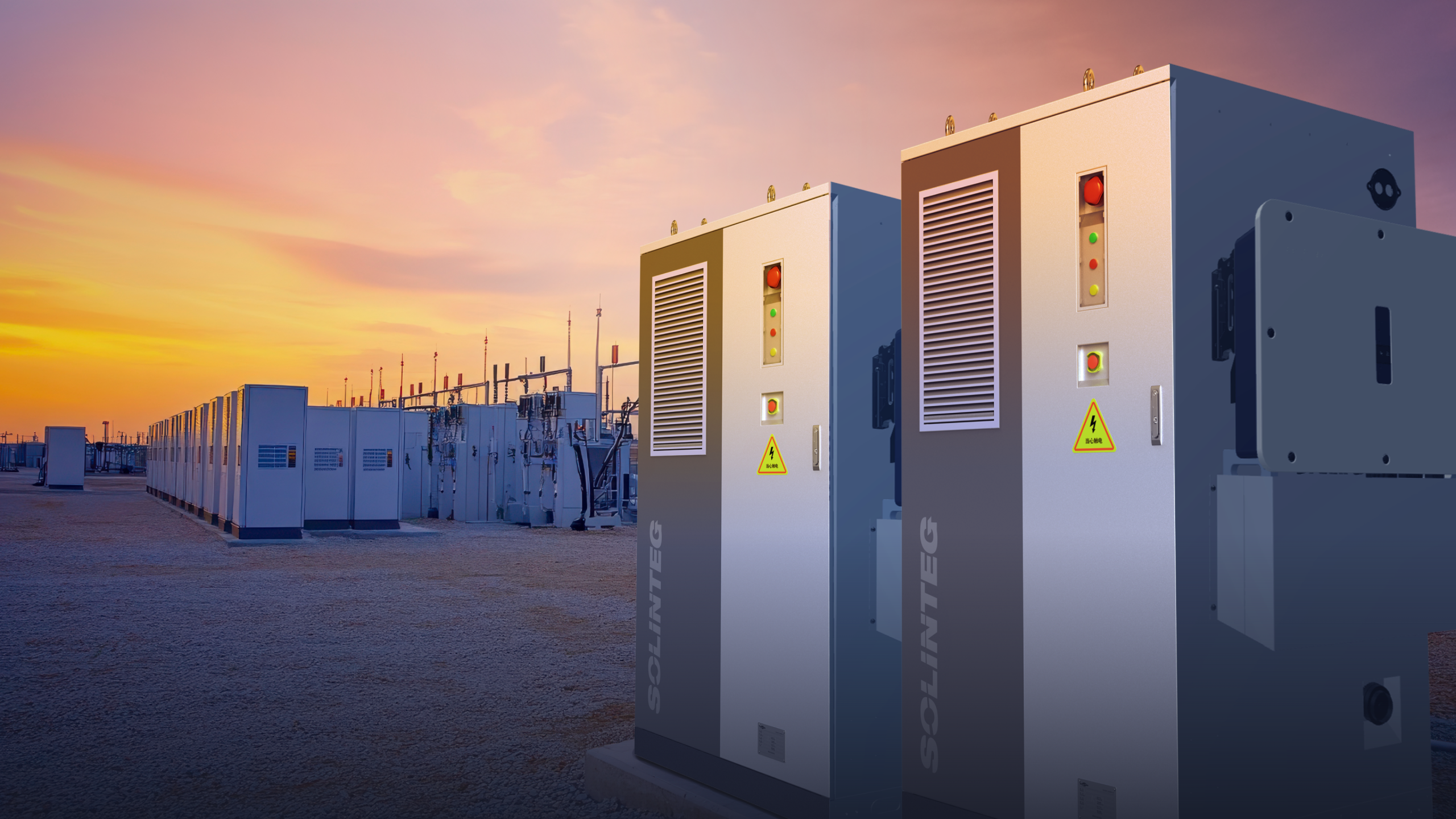
Power outages, surprise demand charges, and weak grid hours hit businesses hard. After California’s rolling blackouts in 2020–2021, many sites started wiring solutions on-site instead of just praying the grid holds. That’s where an all in one energy storage system makes sense — it bundles battery, inverter, and BMS so you get reliable storage and a smaller install footprint. Short version: less gear, fewer integration headaches, faster ROI. 🙂
What “all‑in‑one” really fixes
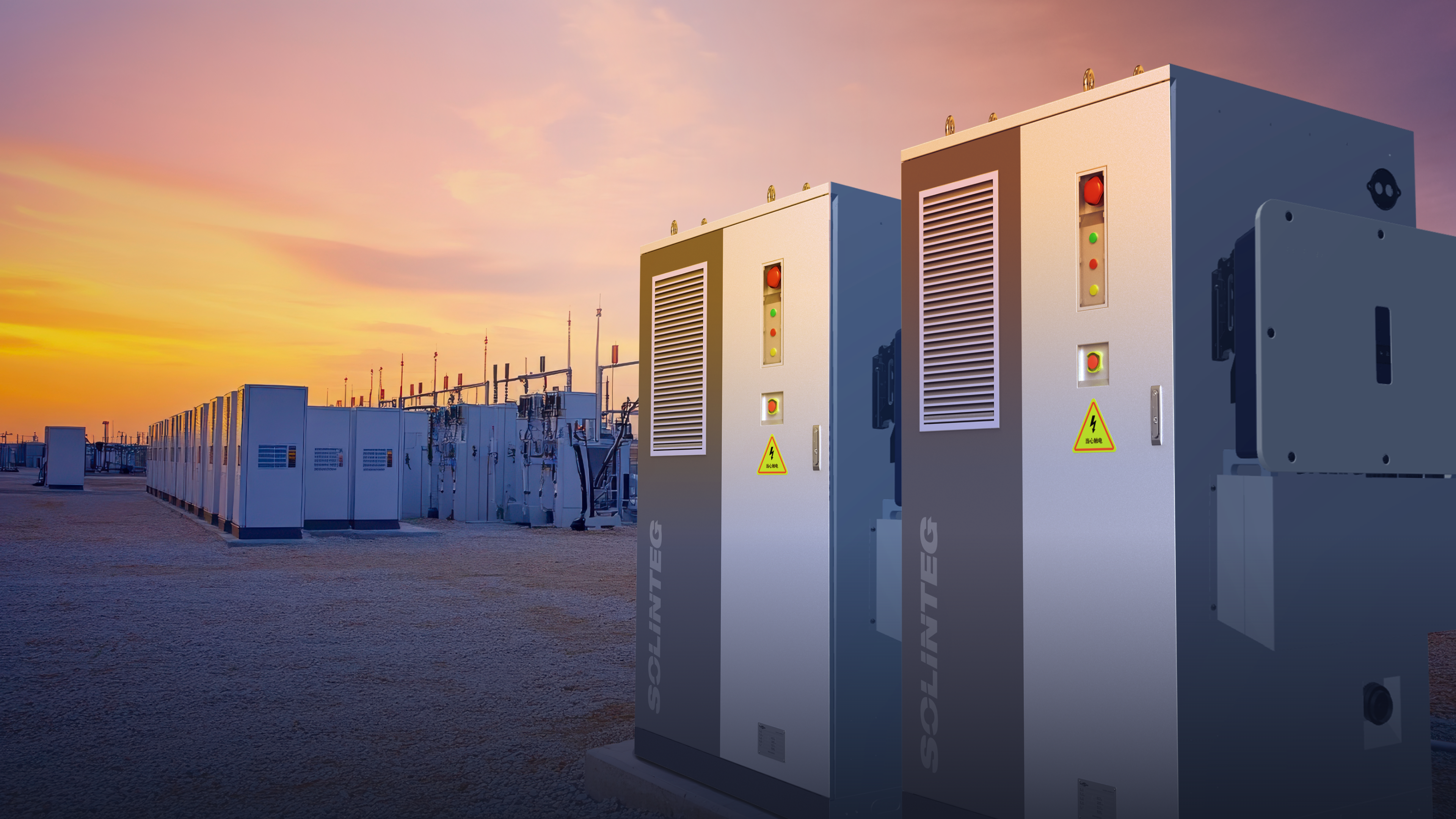
Think of it as a pre-packed microgrid component. You get a single cabinet that handles energy conversion, state-of-charge control, and safety protocols. That reduces commissioning time and avoids mismatched firmware between standalone inverters and third-party battery racks. Industry bits to know: battery inverter, BMS (battery management system), cycle life. These are the tech pieces that usually trip up field teams — but in an integrated system they’re tuned to work together from day one.
Key benefits for commercial owners
Short list, because people are busy:
– Predictable peak shaving. Cut demand charges during business hours. – Seamless grid-tied operation with islanding options for backup. – Reduced floor space and faster permitting since one certified unit handles multiple roles. Each benefit is practical. Not just buzzwords. Use case: retail stores avoiding high afternoon peaks, warehouses keeping forklifts charged during outages.
How to choose — and common screw-ups to avoid
Pick by measured needs, not glossy specs. Check usable capacity, not just nominal kWh. Watch cycle life and warranty terms. Confirm inverter compatibility for AC- or DC-coupled PV. Mistakes I see: oversizing for “future growth” without financial modeling, and underestimating balance-of-system costs like combiner boxes and telemetry. Also, don’t forget commissioning checks for state-of-charge (SoC) thresholds and firmware updates — those fix many early issues.
Installation & operations tips — from the field
Keep wiring tidy. Label everything. Make telemetry a contract item so you actually get usable performance data. If you go DC-coupled, expect slightly higher efficiency during charge cycles; AC-coupled systems can be simpler for retrofit jobs. One practical pointer — coordinate with the utility early for interconnection studies to avoid surprises on export limits.
And a small, human note — teams often forget training. Give ops a short checklist and a quick hands-on demo. It reduces false alarms. — It’s a tiny step that saves a week of headaches later.
Alternatives and trade-offs
Not every site needs an integrated cabinet. Large-scale plants sometimes prefer distributed racks so they can swap cells or mix chemistries. Hybrid setups — modular battery racks plus a separate commercial inverter — offer greater vendor choice but demand more systems engineering. If you value speed and simplicity, the all-in-one wins. If you want fine-grained expandability or specific third-party components, consider modular designs.
Real-world anchor and performance expectations
Real-world example: a set of mid-size commercial rooftops in Southern California moved to integrated storage after rolling blackout episodes. They reported stable daytime operation and lower peak demand exposure within months. Expect realistic payback windows tied to demand charge reduction and export optimization, not instant profit from solar alone.
Advisory — three golden rules for picking the right system
1) Metric: usable capacity vs. guaranteed cycle life. Buy systems where usable kWh and warranty cycles align with your projected daily throughput. 2) Metric: round-trip efficiency and inverter topology. Higher efficiency matters if you’re shifting short-term peaks. Verify AC- vs DC-coupled benefits for your site. 3) Metric: integration & telemetry readiness. Choose units that expose SoC, fault logs, and remote firmware updates so ops can tune dispatch strategies. Follow these and you’ll avoid the biggest failure modes most installers hit.
Practical, proven, SOLINTEG.