Start with what matters to your show
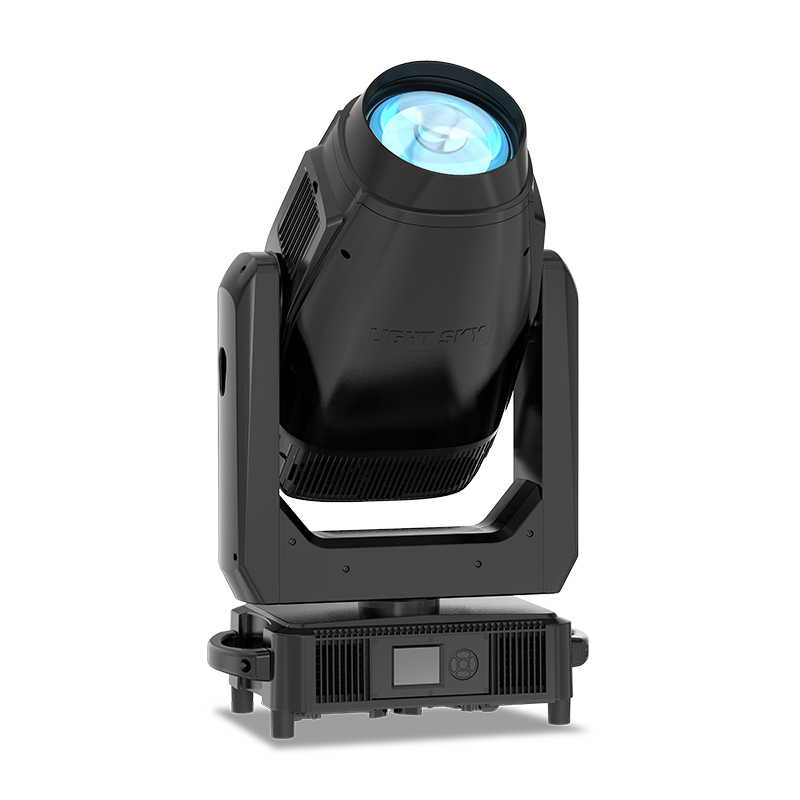
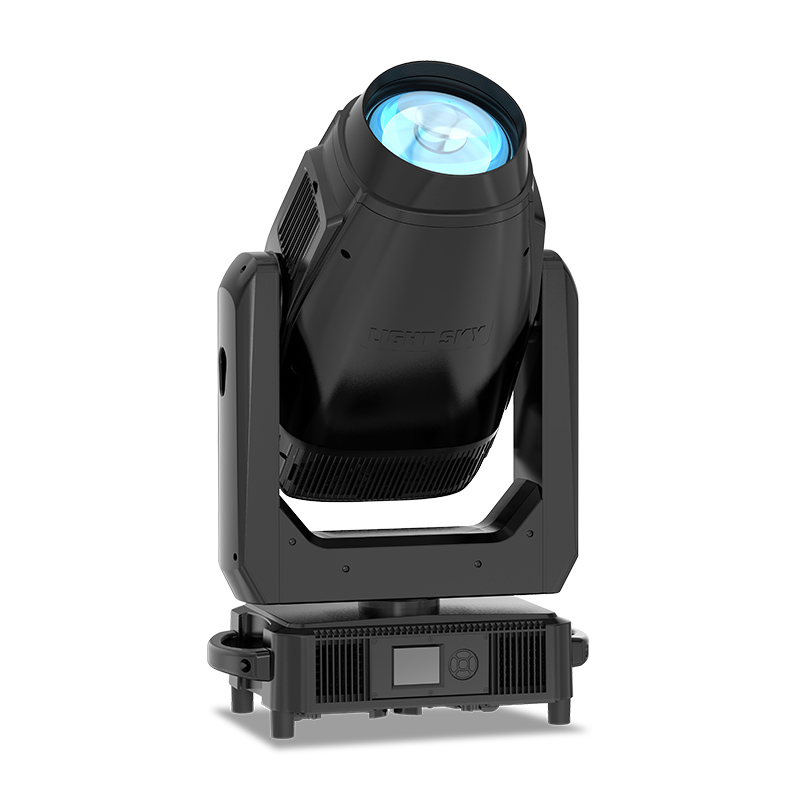
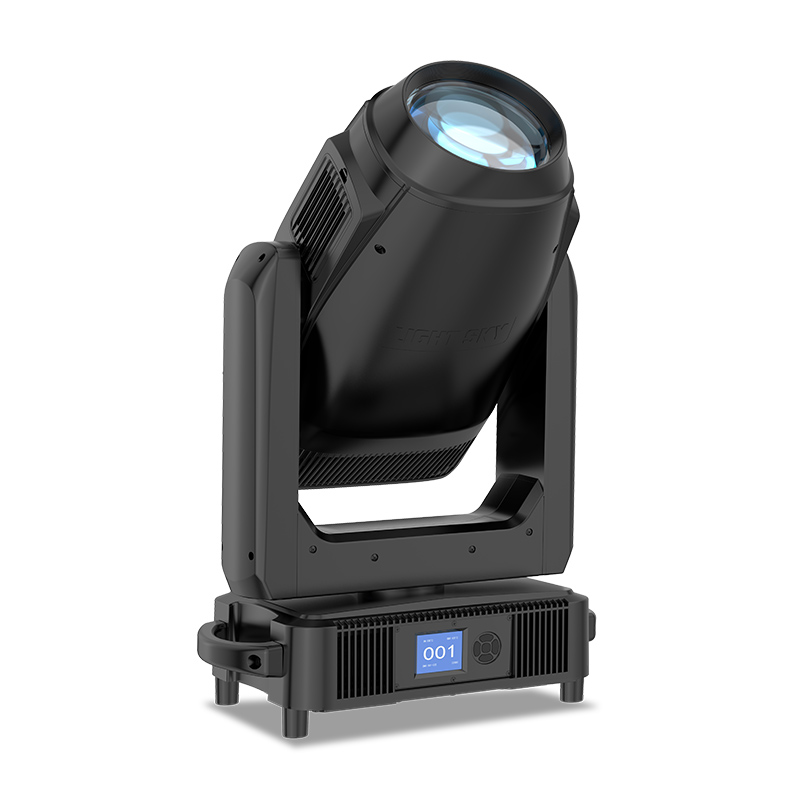
If you care about tight sightlines, fast cues, and a crisp beam that doesn’t eat your stage, start by thinking like the operator — not the catalog. For many small- to mid-sized productions, a compact fixture such as the 520W LED BSWP 4in1 Moving head hits the sweet spot: high lumen output, quick pan/tilt response, and a small footprint. This user-centric view keeps decisions practical — you want fixtures that serve choreography, clear sightlines, and a predictable DMX patch.
Match fixture capabilities to your goals
Know the job before you chase specs. Are you creating razor beams that cut through haze, soft washes, or rapid color chases? Beam angle, zoom range, and gobo options determine that outcome. A tight beam with a narrow beam angle and robust zoom gives you the kind of shaft that slices through stadium haze; broader zoom and diffusion create flattering washes for actors. If your rig must be flown or tucked into a tight truss, compact moving heads save time and weight — and that matters when load-in windows are short.
Real-world thinking: venues and workflows
From club tours to corporate stages — and even arenas like Madison Square Garden where large rigs are the norm — lighting designers often rely on smaller moving heads to fill gaps and add texture. These fixtures act as supplements to big beams: flexible, nimble, and less taxing on rigging. Drawing on hands-on rigging and front-of-house experience, prioritize units that communicate clearly over DMX, have consistent color temperature across fixtures, and predictable pan/tilt profiles so programming stays efficient.
Common mistakes to avoid
Many teams buy based on wattage alone — that’s a trap. Lumen output matters, but optical design, beam angle, and secondary optics define perceived brightness on stage. Don’t ignore serviceability: fixtures with accessible lamp modules, clear fan intake paths, and modular electronics save hours under deadline. Also, avoid mixing too many fixture families without addressing color calibration; mismatched color temperature makes otherwise cohesive looks fall apart — costly in rehearsal time.
Alternatives and complementary tools
Mini moving heads are rarely the only answer. Static LEDs, ellipsoidals, and wash lights still play key roles. Use moving heads for dynamic accents and framing, static fixtures for consistent washes, and followspots or profile spots where tight focus and gobos are essential. If beam work is your aim, consider pairing compact moving heads with a dedicated moving head beam light — the combination gives both punch and flexibility without overspending on large-hotel-grade fixtures.
Practical checklist before you buy
– Confirm power and rigging limits at your venue; weight and circuit count matter. – Test pan/tilt speed and response under real programming conditions — some fixtures stutter at high-speed cues. – Verify color consistency and gobo sharpness across multiple units; small variation scales up in a multi-fixture look. — a quick onsite test beats specs on paper every time.
Three golden metrics to evaluate compact moving heads
1) Light quality per watt: measure effective lux at your typical throw distances, not just raw wattage. 2) Reproducibility: how closely matched are color temperature and beam spread across identical units during a full show cycle. 3) Serviceability index: average time to swap common parts (fans, power supplies, LED modules) and availability of local tech support.
Final thought
Choose fixtures that make programming simpler and rehearsals shorter — that’s the real return on investment. Think practically, test visibly, and let small, well-matched moving heads do the heavy lifting for dynamic looks. Light Sky. –