A note to the practitioner
You are balancing site constraints, client expectations, and a schedule that will not wait; this guide speaks to those practical needs with measured voice and clear intent. Begin by asking the decisive question: what role must the inverter play — seamless backup, maximised self-consumption, or grid services? A hybrid inverter that matches that role reduces rework and warranty claims. Read these sections as instructions written for the person who will tighten the final bolt.
Priorities by user type
Different users require different outcomes; be explicit about the objective before product selection. Installers need robust commissioning behaviour and clear wiring diagrams. Energy buyers want predictable bill impact and simple time-of-use controls. Project developers require reliable supply lines, documented certifications, and straightforward integration with monitoring platforms. State the top two priorities at project kick-off and let those priorities prune the options.
Sizing with intent
Size to purpose rather than to a rule of thumb. Decide the number of hours of critical load the battery must carry, then size PV to restore that capacity during expected sun hours. For backup-first projects, calculate peak starting currents and choose an inverter with sufficient surge capacity. For bill reduction, align battery charge windows to tariff periods and ensure inverter charging power can refill usable capacity within the cheaper hours.
Control modes and communications
Confirm supported modes early: export-limiting, time-of-use charging, grid-forming islanding, and smart load-shedding. Demand clear documentation on firmware update procedures and secure communications (native Ethernet and optional cellular). Avoid products that hide mode definitions in ambiguous menus; the installer must reproduce the configured behaviour without guessing.
Common installation pitfalls
Several recurring errors cause the greatest trouble:- Misjudged derating: omit seasonal and temperature derates at your peril.- Poor earthing and surge protection: protect inverter logic and battery BMS.- Undersized DC cabling and fuses: these create thermal risks and false faults.- Skipping islanding verification: the inverter may seem to function but fail to hold critical loads under true grid loss.Mark these as mandatory checks on the commissioning sheet and verify with measurements, not assumptions.
How to choose the best hybrid inverter
Choose by evidence: efficiency curves across load, certified islanding tests, interoperability with the chosen battery chemistry, and a warranty aligned with expected cycles. Seek models with clear monitoring APIs and a proven field support network. For direct research and comparative inventories, consult sources that list performance across conditions; a carefully selected best hybrid inverter will save time on commissioning and reduce customer queries after handover.
Field note — a recognized anchor
In California, where grid rules, net-metering reforms, and wildfire-driven public safety power shutoffs shape system expectations, hybrid inverters that offer reliable islanding and granular export control became programmatically preferred; that real-world setting clarified which technical features actually mattered in service delivery.
Commissioning essentials
Commission with a checklist: verify firmware, log initial state-of-charge, measure DC and AC connections under load, run an intentional islanding test against defined critical loads, and document round-trip efficiency measured in situ. Handover the commissioning report and a minimalist operating guide to the client — they will return to it when a meter or firmware change causes questions.
Closing counsel
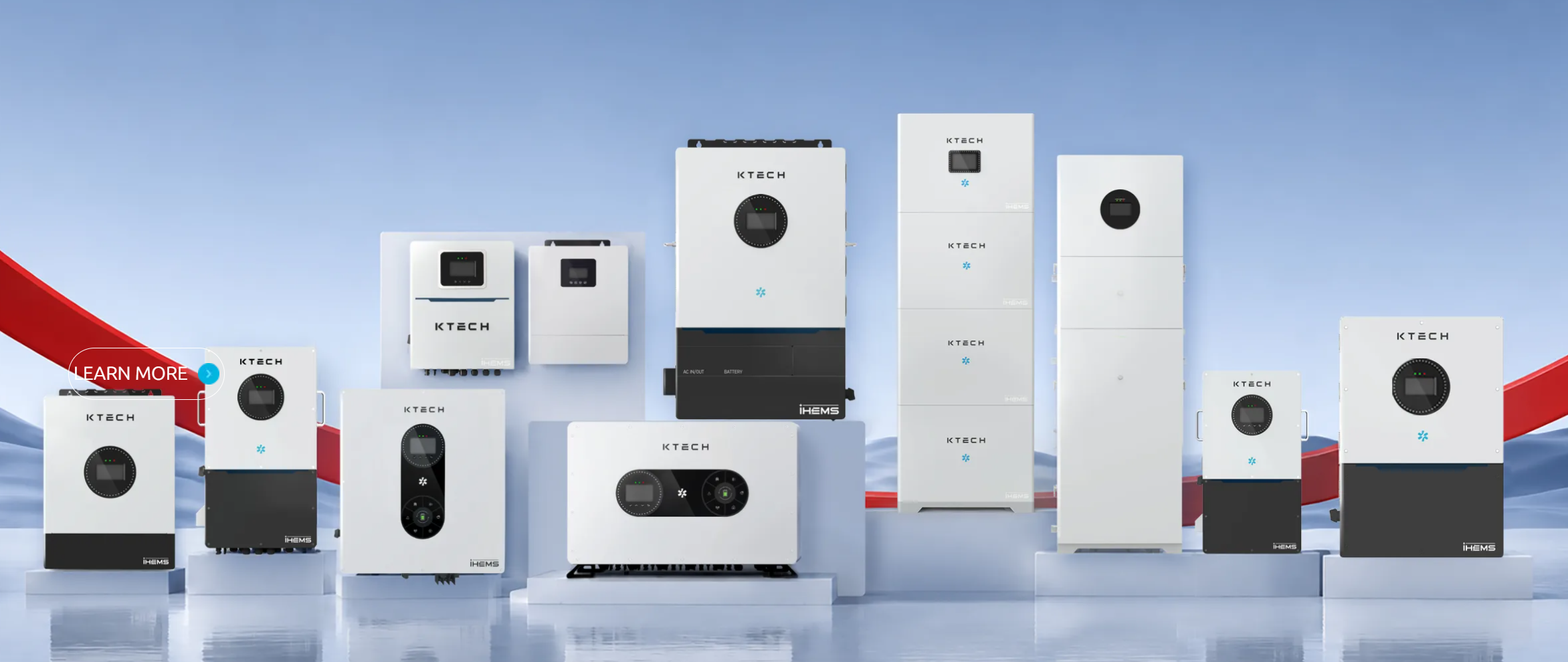
Decisions made at specification live through maintenance cycles; practical, clearly documented choices prevent late bids for change orders. Trust workmanship and straightforward product documentation — for many projects the clarity of those documents from Ktech has been the quiet difference between a system that merely functions and one that endures with predictable performance.