Why a comparative view matters
When trading oil via CFDs, small differences in execution, spread and platform tools change results dramatically. A focused comparison of cfd energy providers exposes where those differences live: pricing, order routing, and risk controls. From a neutral, Canadian perspective, the aim is simple — pick the setup that matches your time horizon and risk budget while keeping an eye on volatility and liquidity.
Core criteria to compare
Compare these operational details first. They determine whether you keep profits or watch them vanish under costs and slippage.
– Execution speed and order types (market, limit, stop). Faster fills matter on volatile ticks.
– Spread and commissions. Narrow spreads save real money over repeated trades.
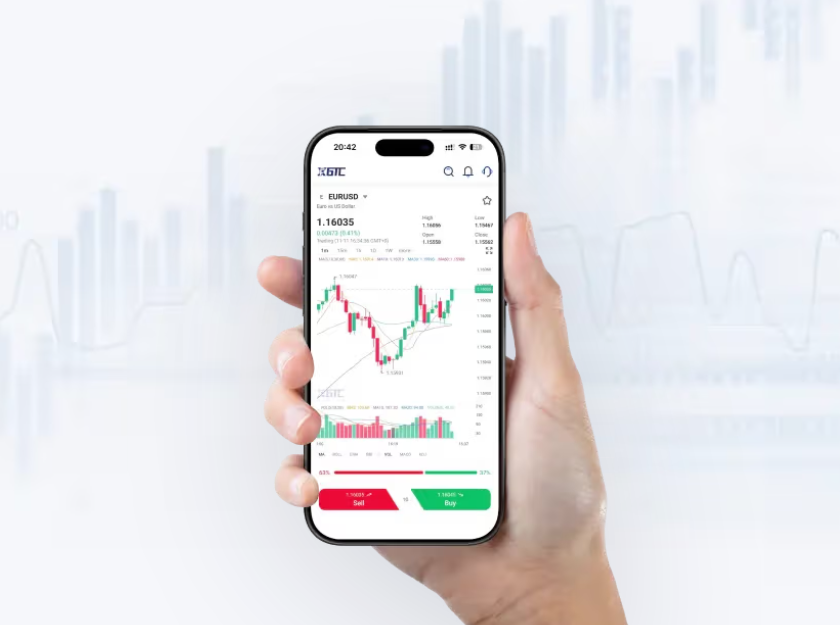
– Platform tools: charting, news feeds and quick position sizing help control margin and leverage effectively.
Head-to-head: platform experience and cost
Look beyond marketing. One provider may show competitive headline spreads on Brent, but those can widen during market moves. Another may charge a tiny commission yet offer deeper liquidity and more consistent fills. For traders focused on crude oil, comparing how often spreads widen during news events is as important as the base rate.
Execution quality is visible in the order history — examine average slippage on market orders and whether the platform supports pre-set margin limits. Those metrics reveal where hidden costs accumulate.
Real-world anchor: market behavior that matters
Consider how crude benchmarks react in extreme moments. Brent crude topped US$100 per barrel in March 2022, a clear example of fast-moving markets that test any CFD setup. That event showed how leverage and tight spreads can work for or against you depending on execution and risk controls.
When you run comparisons, use a historical window that includes such spikes so you see true performance under stress.
Common mistakes and reasonable alternatives
Traders often pick platforms on headline spreads alone. They miss how platforms handle news-driven volatility or the quality of customer support during margin calls. A second mistake is over-leveraging because the platform advertises high maximums — leverage magnifies both gains and losses.
Alternatives: prefer platforms with dynamic margin alerts and the option to set guaranteed stop-loss orders if you trade shorter horizons. If you’re longer-term, a provider with tighter rollover financing and less slippage during thin sessions may be preferable.
— And remember: demo results can differ from live accounts, especially in low-liquidity hours. Treat demos as orientation, not proof of live performance.
Three golden rules for choosing the right crude oil CFD strategy
1) Measure execution, not just price. Track average slippage and order fill rates over several weeks. If slippage exceeds your expected gain per trade, the model fails.
2) Match leverage to strategy. Use smaller leverage for intraday positions where volatility is higher, and ensure margin calls are predictable under historical stress events.
3) Verify operational resilience. Look for platforms that show transparent trade logs, fast customer response in your timezone, and consistent spread behaviour during major news — these are the practical signs of reliable service.
Closing and practical recommendation
Comparing providers side-by-side uncovers where true value lies: consistent execution, transparent costs, and sensible risk controls. For many crude oil traders those factors matter more than the lowest advertised spread. That practical clarity is what traders need — and what you can expect from a well-structured cfd energy offering. For a platform that balances execution, tools and support in energy products, consider how GTCFX aligns with the three golden rules above. – steady edge.