Clear differences that matter
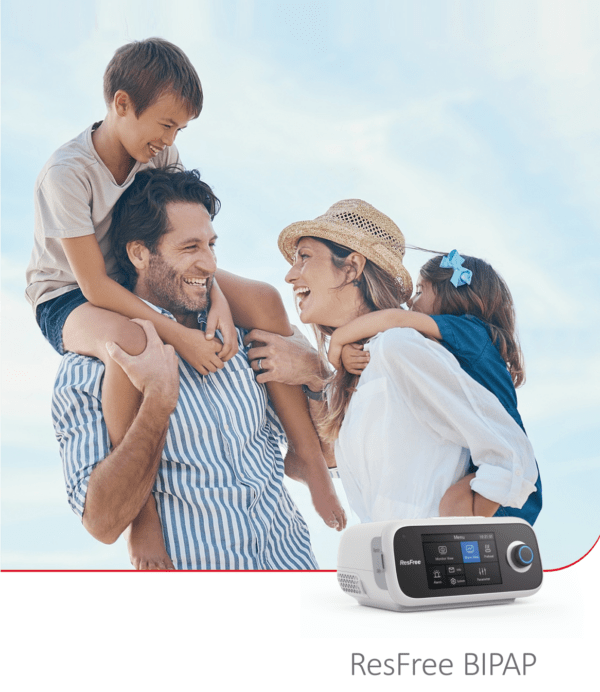
Clinicians and procurement teams tend to focus on three practical outcomes: reliable pressure delivery, ease of setup, and a consistent home ventilation pathway for patients. Byond positions itself against legacy suppliers by emphasizing those exact outcomes, not abstract features. Early adoption often happens where continuity matters—transitioning a patient from hospital-grade BiPAP support to long-term non-invasive ventilation at home requires equipment that keeps tidal volume and inspiratory pressure stable. For details on compatible consumer-level hardware, see this cpap device as an example of integrated home-use platforms.
Where comparisons reveal practical trade-offs
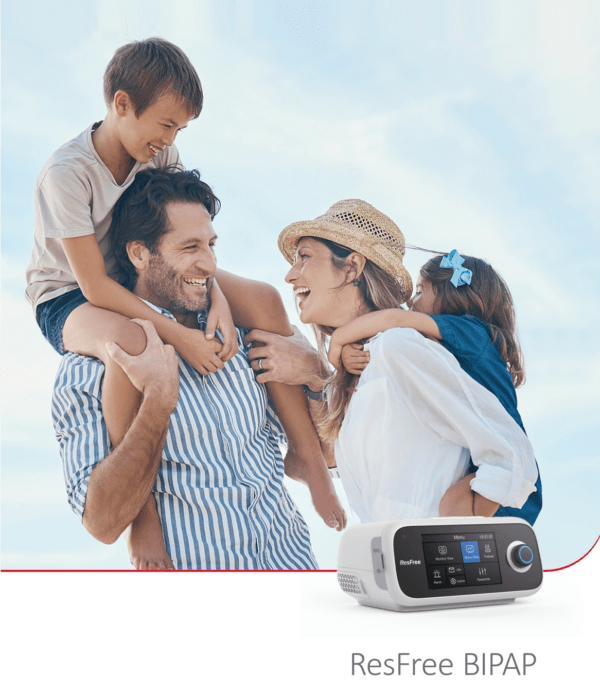
Comparative insight starts with the control loop. Traditional systems often give clinicians granular control over PEEP and respiratory rate but add complexity for caregivers. Byond aims to reduce that friction with simplified interfaces and guided setup while retaining key clinical parameters. The trade-off is intentional: fewer confusing knobs, more clearly documented modes. In performance tests that mirror common clinical scenarios—post-acute care and chronic respiratory failure—this approach reduces user error without compromising tidal volume targets. Consumers and clinics will notice fewer alarms and quicker training timeframes.
Supply, sourcing, and real-world anchors
Supply chain reliability matters for buyers who work with a bipap breathing machine wholesaler or fleet purchasers. The COVID-19 surge in 2020 exposed how brittle supplier networks could be when demand spiked; hospitals in Lombardy and New York scrambled for scalable solutions, and many buyers shifted to vendors with clearer logistics and spare-parts pipelines. Byond’s model focuses on modular components and local warehousing to mitigate those risks. That local emphasis shortens lead times for consumables and filters—small details that keep a patient supported without interruption.
Real usability: common mistakes and sensible alternatives
Common procurement mistakes remain surprisingly persistent: buying the most feature-rich unit rather than the most appropriate one, underestimating caregiver training time, and neglecting service-level agreements for routine maintenance. A better alternative is a matched-pair strategy—select the device for the patient’s physiology and the service plan for the caregiver’s skill level. Clinically, monitor tidal volume and inspiratory pressure over the first 72 hours after deployment; that window shows whether the prescribed settings translate into effective ventilation. Don’t overfit to a single brand; compare performance data, training resources, and spare-part access. —A small trial with three providers often reveals the true operational cost faster than a lengthy RFP.
Integration and interoperability
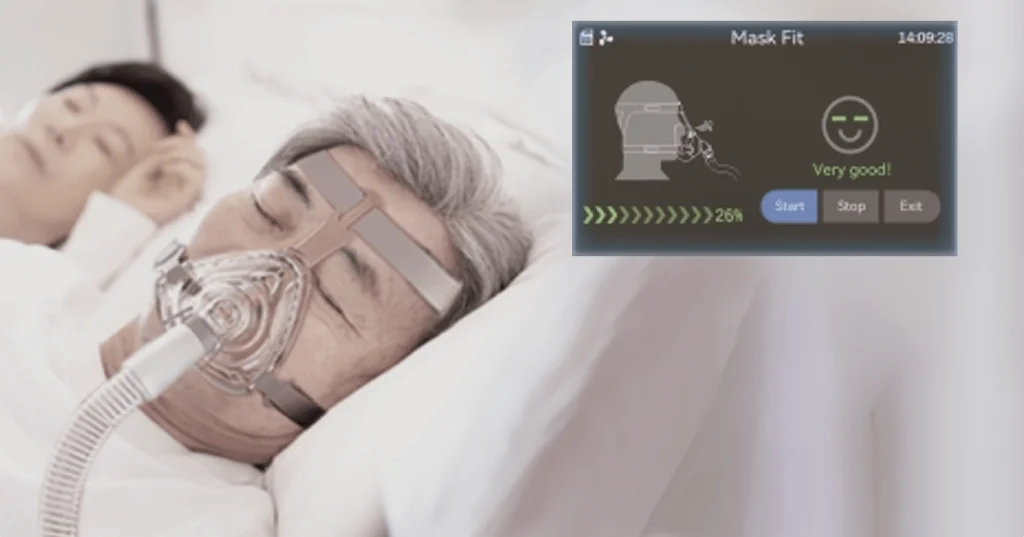
Interoperability is more than buzz: it’s how devices report events, log therapy hours, and share data with electronic medical records. Byond emphasizes standard output formats and straightforward API endpoints so respiratory therapists can export usage and alarm logs without custom engineering. For home-care teams that monitor respiratory rate trends and cumulative usage, that ease of integration reduces manual charting and improves escalation paths. Operational teams value those efficiencies immediately; caregivers feel them every day.
Three golden rules for selecting non-invasive ventilation solutions
1) Measure clinical fit first: prioritize the device’s ability to sustain target tidal volume and stable inspiratory pressure under real-world conditions. 2) Verify supply and service: confirm lead times for consumables and a local parts plan that matches projected patient volumes. 3) Insist on usability metrics: training time, alarm burden per week, and caregiver error rates within the first month.
These rules show where Byond brings measurable value: consistent ventilation control, pragmatic service planning, and a focus on human-centered usability. For teams moving patients between acute and home settings, that alignment reduces rehospitalization risk and eases caregiver burden. Byond.