The problem-driven case for urgent attention
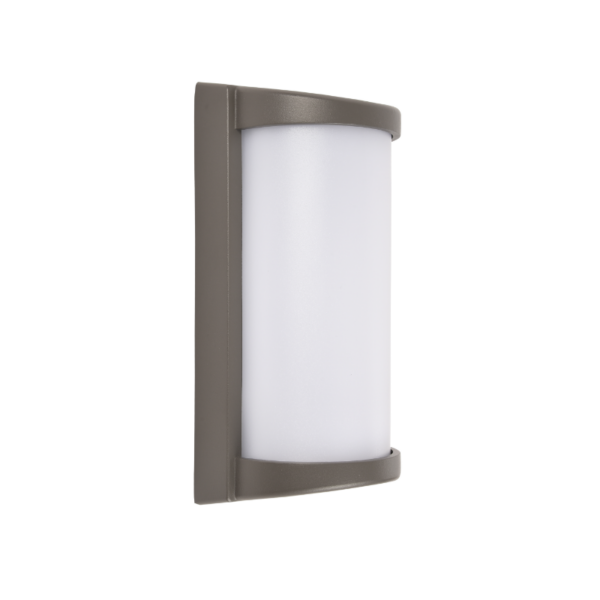
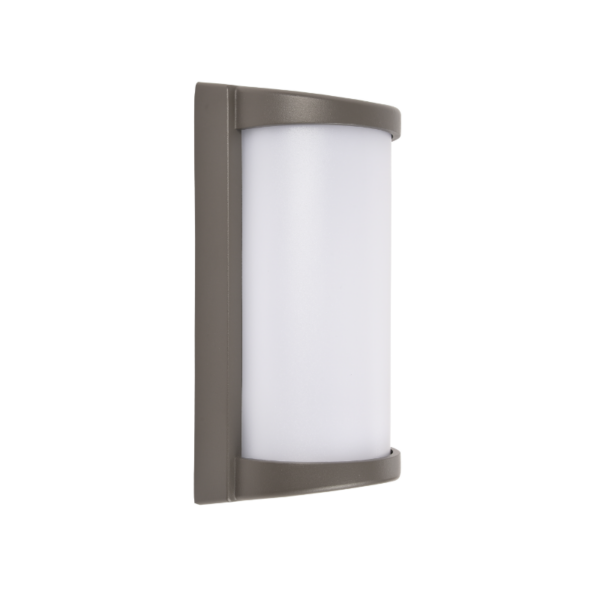
Luxury façades and high-end hospitality exteriors live and die by first impressions — and nothing erodes that faster than visible shifts in correlated colour temperature (CCT) across an installation. Designers and brand custodians often assume LED specifications are set-and-forget, yet mismatched CCTs, ageing diodes and inconsistent spectral power distribution create a patchy look that screams low quality. For specifiers working on premium projects, a single mismatched fixture — even a seemingly modest led outdoor wall sconce — can flatten a carefully crafted brand narrative. This problem is not theoretical; it’s practical, reproducible and costly.
How this problem shows up on-site
On a recent coastal hotel refurb in Cape Town (recall the post-2010 FIFA stadium upgrades that raised local expectations for exterior lighting), the owner noted warm-to-cool drift between entries and terraces after just 18 months. The cause? A mix of luminaires from different batches with minor CCT tolerances, combined with varied IP-rated housings that affected heat dissipation. The result: a perception of inconsistency that guests translated into lesser perceived value. As a lighting specifier I’ve seen this before — small technical tolerances become big brand problems.
Root causes you need to know
Several technical factors create CCT drift. First, batch variance: LED modules from different production runs can have ±200K CCT difference unless binned tightly. Second, thermal management: poor heatsinking accelerates phosphor degradation and shifts CCT over time. Third, control systems: dimming profiles and driver flicker can alter perceived colour if not calibrated. There’s also the role of CRI and spectral distribution — two terms that determine how faithful colours appear under the light — which if mismatched, make materials and façades look off. These are not abstract concerns; they affect procurement, warranty clauses and maintenance planning.
Practical checks during procurement and installation
Mitigate the risk with a few concrete steps. Insist on tight CCT binning (ideally within 2-step MacAdam ellipses for luxury schemes), request SPD reports for the selected LED chips, and specify driver types and dimming curves. Do on-site mock-ups with the exact luminaire finishes and mounting heights — and test with the same control gear you’ll deploy. Also, don’t ignore the small things: consistent bezel colour, lens type and beam angle can influence perceived cohesiveness. A final tip: trial the chosen unit in wet conditions as well — the same led lamp on wall that looks perfect in dry conditions may behave differently under coastal humidity.
Maintenance, warranties and service realities
Longevity is as much contractual as technical. Specify lifetime CCT drift tolerances in the warranty, and require on-site measurement logs during commissioning. Plan maintenance cycles that include spectral checks, not just lumen maintenance readings. Where possible, standardise on a single luminaire family and a single driver supplier — that reduces variables dramatically. If you mix families to solve sight-line constraints, keep the same CCT and CRI across them to mask differences. These practices cost a little more upfront but save brand reputation headaches later.
Common mistakes and quick fixes
Teams often fall into a few traps: buying the cheapest luminaire without CCT guarantees, assuming colour rendering is the same as colour temperature, or cutting corners on mock-ups. Quick remedies include re-lamping with matched batches, retrofitting better thermal interfaces, or using subtle colour filtration where drift is irreversible. — Small interventions sometimes deliver big perceptual wins.

Summary and what to demand from suppliers
In short: treat CCT stability as a brand requirement, not a technical footnote. Demand binning specs, spectral data, driver details and warranty clauses that cover CCT drift. Require mock-ups and record initial spectral measurements for your handover pack. These steps turn a persistent problem into a manageable project risk, preserving the premium look you sold to clients and guests.
Three golden rules for selecting the right strategy
1) Specify measurable tolerances: CCT binning, MacAdam steps and SPD documentation — no vague promises. 2) Standardise components: one luminaire family, one driver type, one control profile. 3) Contract for spectral stability: include inspection milestones and clear remedies for drift. These metrics keep procurement honest and maintenance predictable.
Good specification protects brand equity and keeps the exterior look consistent for years — and when that matters, choose partners who back specs with data and service. Keyida. —