The first taste: why this comparison matters
The room smells faintly of warm plastic and distilled water, the mask a soft promise against the skin—this is how choices around positive airway pressure feel at the bedside. Comparing an APAP unit to a BiPAP setup isn’t just about specs; it’s about how they respond to a sleeping body, how pressure rides the breath, and how therapy translates into daytime energy. If you’re shopping for a reliable bedside system, start by sampling the options: a well-tuned cpap device can feel like a steady hum under a cotton sheet, while other options change their rhythm as needs change.
How the devices differ in practice
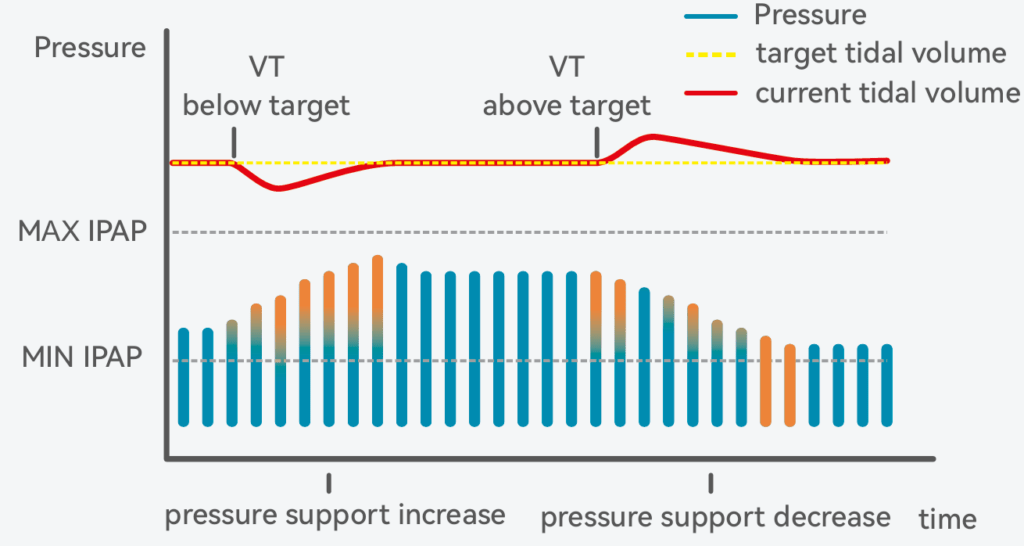
APAP automatically varies pressure across the night to correct apneas and hypopneas; BiPAP delivers two set pressures—IPAP for inhalation and EPAP for exhalation—so it can support more complex respiratory failure or higher pressure tolerance. Think of APAP as a chef who tweaks seasoning continuously, and BiPAP as the sous-chef who brings two distinct sauces. Industry terms that matter here: PAP therapy, IPAP/EPAP, and humidifier behavior. For clinicians managing chronic respiratory disease, a dedicated bipap machine often becomes the tool of choice when spontaneous breathing needs assisted support without invasive ventilation.
Side-by-side: comfort, control, and measurable outcomes
Comfort comes from micro-details: mask fit, leak control, humidifier temperature, and how aggressively pressure ramps up. Control shows in numbers—reduction in AHI (apnea-hypopnea index), fewer desaturation events, and patient-reported sleep quality. During the 2020 COVID-19 surge, hospitals that optimized noninvasive support strategies noted clearer triage decisions and reduced escalation to invasive ventilators; that crisis sharpened how respiratory therapists evaluate tidal volume and mask leak in real time. Quantifiable improvements—drop in AHI by single digits, fewer arousal spikes—separate a good setup from a great one.
Common mistakes and practical choices
Teams often pick a device for brand reputation alone and then stumble on setup. Mistakes include under-treating humidification, ignoring mask sizing, or misreading pressure settings—errors that translate into patient intolerance. A frequent slip: pairing a high-pressure regimen with a basic mask; the result is leak, noise, and refusal to continue. Address these by matching interfaces to pressure needs, scripting simple titration steps, and logging leak and AHI trends for the first week—then adjust. Small steps yield large behavioral wins.
Alternatives and when they make more sense
Beyond APAP and BiPAP there are fixed-pressure CPAP units, portable ventilators, and home oxygen setups. Choose CPAP when obstruction is simple and daytime hypercapnia isn’t present. Select BiPAP for neuromuscular weakness or COPD overlap where ventilatory support—measured by tidal volume and respiratory rate—is required. Portable ventilators step in when precise minute ventilation control becomes critical. Each alternative has trade-offs: battery life, noise profile, and service footprint. Weigh those like a sommelier tasting wines—balance, finish, and the pairing with the patient’s daily life.
Choosing with measurable expectations
Evaluate devices by three concrete metrics: AHI reduction after one month, percent time with leak under the manufacturer’s threshold, and patient adherence (minutes per night). Professionals should expect clear gains within 30 days if settings and mask fit are optimized—otherwise troubleshoot humidity, pressure ramp, and comfort features. Clinical teams should record baseline AHI and reassess; the numbers tell whether the device is performing or just occupying space.
Final assessment
Comparative selection is sensory and numerical: the whisper of airflow, the warmth of humidification, and the drop in AHI. Aim for devices that balance adaptive control with predictable support; where complex respiratory needs exist, a thoughtful Byond solution folds into clinical workflows and eases day-to-day operation. Measured choices win—trust the data, honor comfort, and calibrate relentlessly. –