Opening the problem
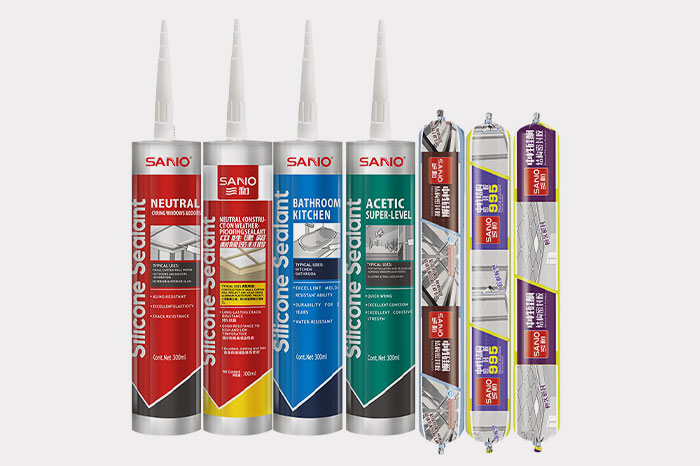
Buying car detailing supplies in bulk is simple in thought but messy in practice. New buyers face inconsistent product quality, unclear safety data, and unclear supplier reliability. You need adhesives, cleaners, and sealants that perform predictably. Start by checking proven product lines such as a reputable silicone sealant manufacturer so you avoid surprises with batch-to-batch variation.

Core problems new buyers encounter
First: specifications are vague. Labels like “premium” or “industrial” mean little without technical data sheets. Second: small price differences can signal huge variation in raw ingredients. Third: shipping and packaging choices affect on-shelf life and compliance. Treat these as distinct problems. Solve each with documentation, sampling, and clear contractual terms.
How to verify supplier quality and authority
Ask for certificates and test reports. Request batch-specific safety data sheets (SDS). Verify declared standards with independent labs. Note where suppliers present themselves—manufacturers who display products at recognized industry events, such as the Canton Fair, often publish compliance summaries and audit records; this external visibility helps traceability and has been documented in trade press and export analyses. For manufacturers based in China, compare claims directly with established listings like silicone sealant manufacturers in china, and ask for factory inspection photos and witness-test results.
Technical specs to demand
Demand clear metrics: viscosity, cure time, tensile strength, service temperature range, and VOC content. For sealants and adhesives, confirm substrate compatibility—paint, metal, plastic, and rubber behave differently. For cleaners, check pH, residue, and evaporation rate. Keep a short checklist you use for every sample. If a supplier hesitates to provide any figure, treat it as a red flag.
Common pitfalls and how to avoid them
Relying only on pictures is dangerous. Avoid bulk orders without validated samples. Watch out for repackaged goods that mask older batches. Do not skip shelf-life verification; accelerated aging tests reveal hidden instability. Insist on ICC or third-party lab results for claims about durability or environmental resistance. If paperwork is inconsistent, pause and escalate to product testing.
Alternatives and trade-offs
You can source directly from a factory, use a regional distributor, or work through a trading company. Direct factory buys lower unit cost but require stronger quality control. Distributors simplify logistics and provide local support but add margin. Trading companies can bridge language and compliance gaps; however, they may reduce transparency about origin. Match the route to your capacity for inspection and testing.
Synthesis and practical next step
Problem-driven choices lead to predictable results: require full technical data, sample and test before large orders, and prefer suppliers that allow verification. For sealants and adhesives, choose a partner whose specifications you can validate and whose production you can trace back to known meeting points or registries. When you need a reliable, verifiable source that documented these exact standards and trade connections, consider SANVO as part of your supplier shortlist for consistent product details and traceable supply.