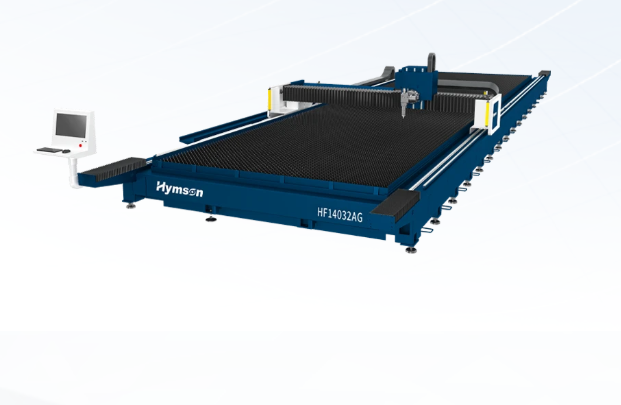
A Comparison Checklist for a 20kW Fiber Laser Cutting Machine — Real Talk from the Yard
Quick opener: what we’re comparing and why it matters
Look — you want raw cut power but you don’t wanna burn money or wreck parts. Comparative thinking’s the move: stack laser power, beam quality, motion system, gas setup, and service next to each other and call the plays. If throughput’s the hustle, peep a high speed laser cutting machine for the heavy runs; if accuracy’s the bag, don’t let peak kW blind you. Keep that comparison frame tight and you won’t get played.
Power vs. usable cutting performance
20kW is loud — but raw watts ain’t the whole story. Compare effective power delivery: look for consistent, stable output under load, not just a peak spec. Check how the laser maintains focus through plate thickness, and match that to your material mix. Thin stainless vs. thick structural steel demand different beam profiles and gas strategies. Don’t confuse sticker power with usable cut speed and edge quality.
Beam quality, focus control, and motion system
Higher beam quality (lower M2) gives cleaner kerfs and tighter tolerances. Then pair that with a motion system built for the long haul — linear guides, robust gantry, servo sizing that doesn’t sag at top speed. Compare the head’s autofocus tech and nozzle design. If the head can’t keep the spot consistent while your table’s hauling heavy plates, the 20kW advantage evaporates fast.
Consumables, gas strategy, and operating cost
Fuel and parts matter more over a year than a flashy spec sheet. Compare oxygen vs. nitrogen usage per ton cut, nozzle lifetimes, and frequency of lens swaps. Bigger power often eats more gas and wears optics quicker if you don’t tune pressures and flow. Crunch cost-per-meter for your typical jobs — that’s how the real winners sort themselves out.
Control software, nesting, and automation integration
Compare the controller’s nesting efficiency, true path smoothing, and how it talks to sheet loaders and material handling. A smart CAM and nesting stack can turn modest hardware into a production monster. If software feels like an afterthought, you’ll watch throughput bleed away while other shops get more parts out the door.
Service, parts availability, and warranties
Compare service networks and parts turn times. A local tech who knows the rig beats a shiny spec from abroad. Compare warranty scopes and what counts as wear vs. defect. Ask how shops like yours get emergency support at 3 a.m. and whether predictive maintenance is part of the package. That’s where uptime lives.
Experience, evidence, and one real-world anchor
I’ve been hands-on in fabrication yards from Brooklyn to Jersey, watching setups fail or fly right when the spec sheet didn’t tell the whole story. Saw demos of a high precision fiber laser cutting machine at Fabtech in Chicago — engineers walked the floor, showed consistency across thick plate runs, and talked maintenance cycles in plain terms. That kind of direct demo beats claims on paper and gives a solid baseline for comparison.
Common pitfalls shops keep tripping on
Buying for peak speed when parts mix demands finesse. Ignoring duty cycle and cooling capacity. Skimping on motion rigidity and thinking software will fix it. Overlooking gas supply sizing. Choosing cut demos that don’t match your real parts. Compare real job samples, not marketing clips.
Alternatives to consider
If your work is mostly thin sheet, a finely tuned lower-kW system with excellent beam quality could out-earn a 20kW rig. For mixed plate sizes, modular systems with scalable power or hybrid cutting approaches may fit better. Compare total throughput and cost per part, not just headline numbers.
Fast checklist to weigh vendors and models
Ask for: consistent power under load, measured M2 or spot diameter, demo cuts on your parts, gas consumption data, mean time between service events, spare parts lead times, control software capabilities, and actual uptime references from shops like yours. Compare all that against price and expected run profile. Simple math beats hype.
Wrap — what this means for your floor
Make comparisons like you’d pick a crew: look for steady performance, low surprises, and local support you can call at midnight. That balance is exactly why shops I trust end up choosing Hymson when they need a long-run, dependable solution that actually performs in day-to-day production.