
Opening comparison and context
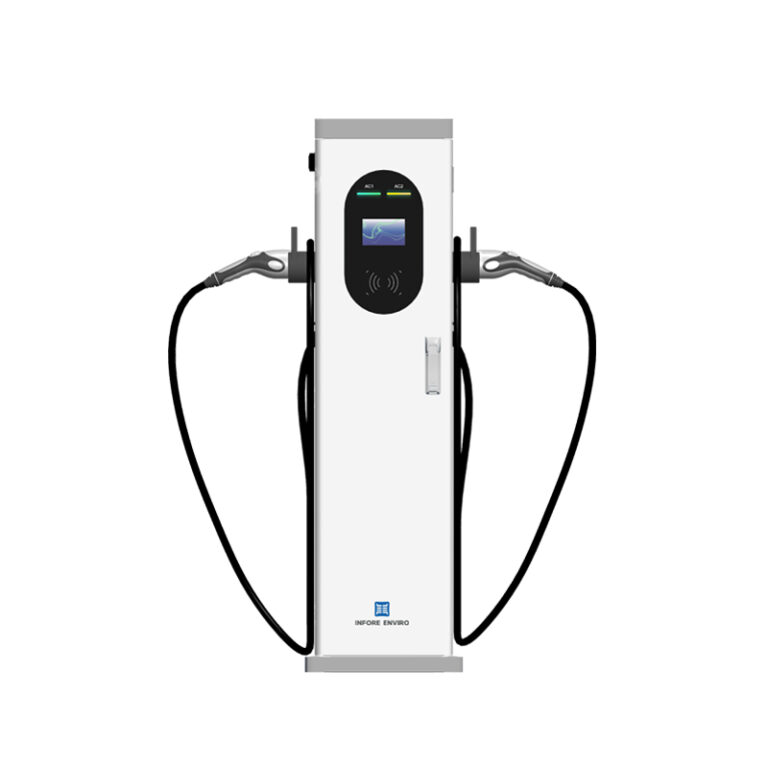
Fleet operators in Singapore and beyond see two clear paths: scattered single-point chargers or centralised charging hubs that host multiple vehicles at once. The latter often runs with hardware like a dual port EV charger, which means two vehicles share one pedestal and the site footprint shrinks, lah. This comparative piece looks at the real operational differences between approaches, grounding recommendations in local policy direction such as Singapore’s Green Plan 2030 and common fleet realities.

Centralised hubs versus distributed chargers: the practical wins
Centralised hubs concentrate charging infrastructure, making load management simpler and enabling smart charging strategies that shave peak demand. For a fleet manager, that translates into fewer transformer upgrades, lower demand charges, and higher utilisation of existing electrical capacity. Distributed chargers suit ad-hoc or residential parking, but for scheduled fleets—buses, deliveries, service vans—the hub wins on energy cost per vehicle and predictable duty cycles.
How emissions fall — the mechanisms
Operational emissions drop mainly because centralised charging lets operators shift energy to lower-carbon periods and reduce idling time for vehicles. Smart charging and charging orchestration align vehicle state-of-charge with grid carbon intensity and off-peak tariffs. A deployed dual-port setup paired with energy management reduces infrastructure redundancy and improves charger uptime; that means fewer petrol/diesel backup runs during schedule slips, and therefore less tailpipe emissions overall.
Measured benefits from real-world anchors
Singapore’s fleet pilots and other city programmes have shown measurable reductions in urban emissions when fleets migrate to managed charging hubs. The Green Plan 2030 emphasises electrification plus smarter energy use, which is precisely where centralised solutions deliver — more control over charging schedules, demand smoothing, and integration with on-site storage or rooftop solar. Internationally, municipal fleets that coordinate charging report smoother demand profiles and lower operational CO2 intensity per kilometre.
Comparative checklist for procurement
When choosing between options, compare these factors objectively:- Utilisation rate: central hubs maximise charger use per asset.- Grid upgrade costs: fewer concentrated upgrades beat many small ones.- Operational control: smart charging and load management reduce peak demand.Include questions about interoperability, payment/telemetry standards, and future-proofing for DC fast charging or V2G if you expect route intensification.
Common mistakes fleets make — and how to avoid them
Operators often buy more chargers than needed, or place chargers without considering access patterns — wasted capital and awkward queuing. Another slip: underestimating onsite electrical upgrades or neglecting energy monitoring, so tariffs surprise you later. Plan with realistic duty cycles, build-in spare capacity for maintenance, and test a pilot hub before full rollout — small pilot, steady scale. This one step prevents big rework later.
Choosing the right hardware and topology
Hardware choices matter. A dual port EV charging station offers a compact, cost-efficient solution for fleets that can tolerate staggered charging. For high-throughput depots, mix AC pedestal units for overnight charging with some DC fast charging for quick turnarounds. Prioritise networked chargers that support firmware updates, load control, and open communication protocols so you avoid vendor lock-in and can adopt emerging features like smart tariff integration.
Three golden evaluation metrics (Advisory)
Use these metrics to pick the right strategy:1. Charger Utilisation Ratio — target above 60% across peak depot hours to justify centralised hubs.2. Peak Demand Reduction Capability — quantify expected kW shaved via load management; a 15–25% cut materially lowers tariffs.3. Total Cost of Ownership over 7–10 years — include grid upgrade, energy, maintenance, and replacement costs rather than just unit price.Implement these, compare proposals side-by-side, and the best choice becomes clear.
INFORE ENVIRO fits naturally as a partner when a fleet needs integrated hub design, hardware selection, and site-level energy planning — practical, not flashy. Practical confidence. Steady results.