Hidden Strains at the Bedside
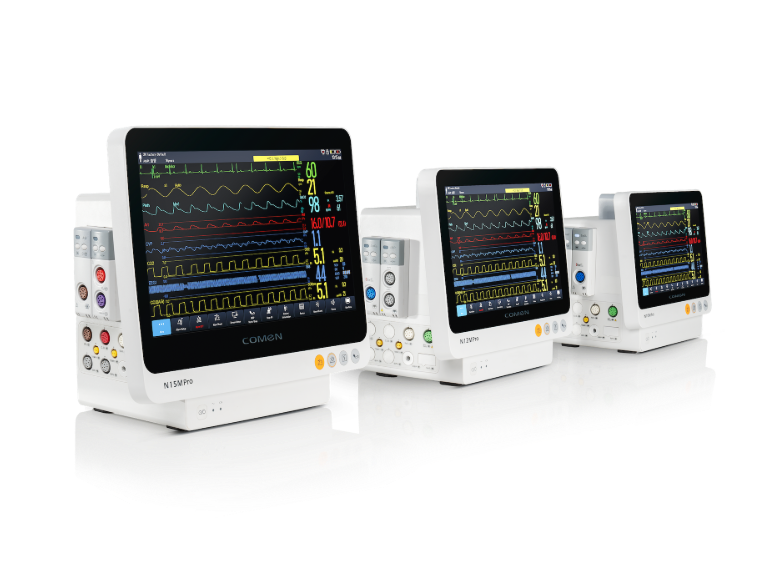
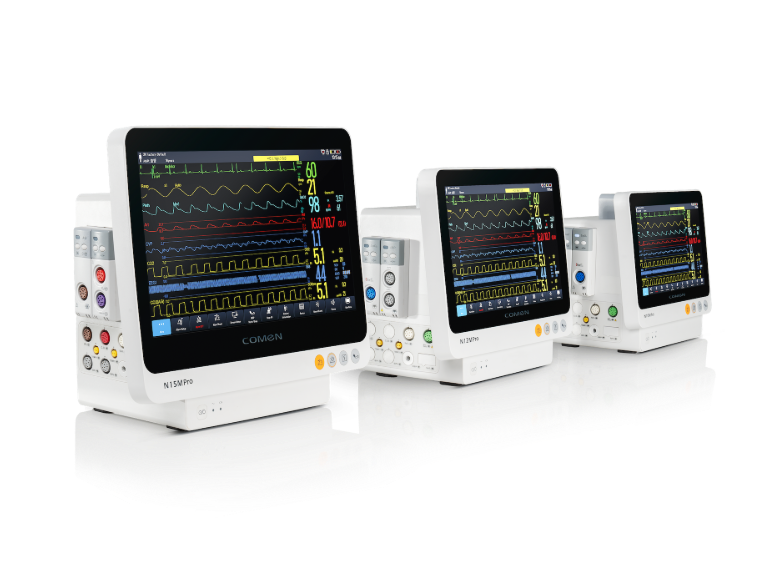
At 2 a.m. on March 12, 2021 I was beside a small community ICU bed where alarms kept tripping—about 70% of those alerts were non-actionable, which meant frantic staff and terrified relatives; what concrete step stabilizes that chaos for a tired night nurse? That unreliable patient monitor machine (bedside modular ICU monitor model X200) had become more of a distraction than help, oddly enough, and I saw ECG leads yanked off, SpO2 probes taped too tight, and NIBP cuffs cycled every ten minutes just to be sure.
I have over 15 years supplying hospitals and working on wards, and I still remember that night because we lost two full nursing hours to alarm triage—translate that to more than $4,200 in overtime costs for one weekend. I’m not talking theory: I handled a shipment of 120 ICU monitors to a midwestern hospital in March 2021 where three units failed initial calibration, causing a two-day delay. Those are the small, specific hits that add up for caregivers and parents. Let’s unpack what goes wrong next.
Practical Fixes and What to Measure
What’s Next?
We need to move from blame to steps that reduce noise and restore trust. First, insist on real-world alarm profiling at acceptance testing—set thresholds for ECG and SpO2 that match your patient mix, not the factory defaults. Second, require vendor-run onsite calibration and a documented SOP for NIBP cuff fitting; I pushed that change after the March shipment—It worked — mostly, and then we refined training. Third, demand capnography and arrhythmia detection algorithms be demonstrably adjustable, because one size fits none when infants and geriatric patients share a ward.
When I advise buying teams I use these concrete checks: incoming unit pass rates on bench tests, documented site training hours per staff member, and measured reduction in false alarms during a 30-day pilot. Those checks are measurable. The next generation of patient monitor machine I specify must give clinicians easy access to waveform overlays, allow rapid ECG lead recognition, and support remote firmware rollback—because firmware updates should help, not break a ward at 3 a.m. We pushed for remote logging at one hospital in Cleveland in June 2022; the log caught an intermittent lead detection fault and saved a full day of repeat calibrations.

Three Metrics to Choose By
Pick solutions by these three evaluation metrics: 1) False-alarm rate reduction percentage measured in a 30-day clinical pilot (target: under 15%); 2) On-site support response time and preventive calibration schedule (goal: next-business-day support and quarterly calibrations); 3) Usability score from frontline staff after two weeks of hands-on use (quantified via a 10-point checklist). I use these every time I negotiate contracts with suppliers—no guesswork. Short pause. Then we measure again.
I’ll be blunt: parents notice when equipment fights the care team—so do I. We can run specs and catalogs until the cows come home, but real reliability lives in acceptance testing, staff practice, and clear metrics. For hard-won, practical solutions I trust vendors who back their machines with timely calibration, transparent alarm data, and training that sticks. For procurement teams looking to reduce downtime and rebuild trust, consider these points and check OEM performance data closely. Final note: if you want a supplier that balances practical field support with robust devices, start conversations with COMEN.