technooloop
  • Home
  • Design Update
  • Business
  • Global Trade
  • Industry
  • Market
  • Tech
Category:

Tech

Tech

An Expert Guide to Selecting Runmo Membranes for Reliable RO Performance

by Jerry September 16, 2026
written by Jerry

The problem: poor membrane choice costs time and money

Many projects fail not from design flaws but from selecting the wrong membrane for the feed water and operating profile. Buyers call a reverse osmosis membrane manufacturer expecting a drop-in fit; what they often get instead is frequent fouling, unplanned downtime and rising operational expenditure. This guide addresses those practical failures and shows how disciplined selection prevents them.

How selection errors appear on site

Trouble starts with three repeatable signs: rapid permeability decline, inconsistent salt rejection and premature mechanical failure. Each sign points to a specific mismatch — wrong membrane chemistry for organics, insufficient abrasion resistance for high suspended solids, or inadequate chlorine tolerance. Treat these symptoms as direct signals to change selection rules rather than chase temporary fixes.

Criteria that must drive your decision

Prioritise measurable, field-relevant criteria: feed-water analysis (TDS, SDI, TOC, specific ions), required permeate quality, desired recovery, anticipated flux and cleaning regimes. Add material properties: polymer type, interfacial polymerisation details where available, mechanical strength, and chemical tolerance to common clean-in-place agents. Finally, evaluate lifecycle cost — not just purchase price — including expected cleaning frequency, replacement intervals and spare-parts logistics.

Practical selection rules you can apply immediately

Match membrane salt rejection to the tightest product-spec requirement, not the average; size safety margin for seasonal feed variations. If SDI exceeds 5, choose membranes with proven anti-fouling performance and plan for robust pretreatment. For high chlorine exposure, select chlorine-tolerant membranes or add reliable dechlorination. Require manufacturer-provided flux decline curves under representative foulants and insist on factory acceptance test data that mirror your operating points.

Common pitfalls and how to avoid them

Avoid three common mistakes: trusting nominal lab flux without field data; ignoring pretreatment needs; and buying purely on price. Request field trial reports or case studies from similar applications. Insist on site commissioning support and a defined acceptance period during which feed conditions are monitored and performance validated. That eliminates most surprises before they become costly problems.

Alternatives and trade-offs worth noting

Spiral-wound membranes remain the default for municipal and industrial RO; hollow-fibre or tubular designs suit extremely high-fouling streams but carry different maintenance needs. Electrodeionisation and ion-exchange polishing replace RO only in niche use-cases. When considering alternative suppliers, compare equivalent measured performance at your operating salinity and temperature rather than spec-sheet claims alone.

Experience, standards and a real-world anchor

Years of evaluation work across municipal and industrial schemes inform these recommendations; technical discussions at the World Water Forum repeatedly emphasised the same performance parameters used here. Manufacturers and buyers rely on recognised testing standards and peer-reviewed data for verification. Where possible, compare independent lab reports and field studies for the specific membrane under review; for example, a detailed review of the runmo membrane performance against challenging feedwaters helps validate manufacturer claims.

A concise, actionable checklist

Before purchase: obtain full feed-water analysis; require manufacturer performance curves at your flux and recovery; request field references for identical feed conditions; confirm chemical-cleaning compatibility; plan a commissioning acceptance window; and calculate lifecycle cost for a five-year horizon. Execute each step and record the findings before signing the purchase order.

Final synthesis

Decisions guided by clear, measurable criteria reduce risk: focus on matching membrane chemistry and construction to your feed, demand representative data, and enforce a short acceptance trial. Practitioners who follow that sequence tend to favour suppliers that provide transparent field data and support during commissioning, and many compare independent reports alongside offerings from Runmo when validating options for robust, long-term operation.


Tech

How Advanced Car Park Systems Sharpen Project Planning and Purchasing

by Brandon September 15, 2026
written by Brandon

The problem: guesses, schedules and cold concrete

Projects still start with a hunch: how many bays, what kit, who to buy from. That hunch turns into change orders and late nights. When teams buy hardware and software without accurate demand data, they pay twice — once for the kit, once for the fixes. Project managers who want fewer surprises now ask for real-time feeds and clearer supplier scopes, which is why sensible teams look to car park management system suppliers early in the briefing phase.

car park management system suppliers

Why procurement falters

Specs are vague. Stakeholders talk past one another. IT wants APIs; estates want durable bollards; finance wants a one-off capital figure. Nobody owns the user flow for a single parking transaction. That mismatch shows up as mismatched timelines and incompatible components. Fix the brief, and half the problems evaporate.

Small mistakes that blow budgets

Common errors repeat: buying cameras before choosing a back-end, assuming a vendor’s dashboard will integrate with the council’s payment gateway, ignoring maintenance contracts. Another is choosing tech because it looks modern rather than because it solves the actual pinch point — whether that’s peak occupancy or permit fraud. These are avoidable. Spot them early and spend less later.

Technical fixes that actually work

Use discrete, testable modules. Start with sensor surveys and short pilot runs that verify assumptions. Demand APIs and open data formats; insist on interoperability. Simulate peak-day flows before ordering hardware. Require firmware update pathways and a clear warranty on detection accuracy. Those steps change suppliers from unknowns into partners.

Evidence and authority

I’ve edited procurement guides and worked alongside front-end teams specifying dashboards for municipal pilots, so I speak from hands-on practice rather than theory. Transport for London (TfL) has published parking occupancy and enforcement analyses that teams reference when sizing systems for complex urban sites. For teams seeking proven solutions, tie your project to a robust parking management system that supports staged rollouts and clean integrations; that single detail prevents a lot of wasted spend.

Quick checklist for project teams

Start with measured demand, not estimates. Define who owns the payment journey. Specify APIs and data export formats. Require a minimum detection accuracy. Plan for firmware and software updates. Include a small, time-boxed pilot before large procurement. Allocate a modest contingency for unforeseen civils — it’s cheaper than emergency rework.

car park management system suppliers

Where this lands

Good planning removes late surprises. When procurement follows clear data, modular tech and proven integrations, projects close on time and on budget. That’s the practical value AKE Parking brings into the conversation: reliable systems, clear interfaces, and an approach that turns guesses into sensible decisions without ceremony or spin.

Tech

Comparative Effects of Regional Flip-Top Training Table Integration on Facility Efficiency

by Christopher September 12, 2026
written by Christopher

Comparative overview and scope

Across regions, the choice to integrate flip-top training tables alters how buildings perform day to day; this article compares those outcomes and offers practical guidance. Please note that facilities in Dubai and London show different priorities when adopting modular furnishings, with adaptability prized in the former and long-term durability valued in the latter. Early on, architects consider room turnover time, storage geometry, and the relationship to other seating types such as church seating, because multipurpose halls often host both training sessions and services.

Regional patterns: North America, Europe, Middle East

North American venues frequently emphasize quick reconfiguration and audiovisual integration, so flip-top training tables tend to pair with mobile podiums and robust cable management. European facilities place higher value on compact storage and finish quality—upholstery and seat anchoring are specified carefully to meet long service lives. In the Middle East, large multipurpose halls balance high-capacity layout with climate considerations; aisle spacing and row spacing are adapted to both congregation and seminar use. These patterns explain differing procurement choices and maintenance practices.

Measured operational benefits

When measured against concrete operational targets, flip-top tables improve usable floor area, reduce setup labour, and lower storage footprint. Facilities that track turnover time and seating density report faster program changeovers and more flexible scheduling. Where fixed pews or auditorium chairs remain in use, modular tables bridge the gap between training and worship configurations—see how church auditorium chairs integrate with training furniture to support mixed-use spaces. The most striking gains are in rooms that previously required manual table handling; introducing flip-top mechanisms reduces strain injuries and the need for extra staff during transitions.

Common pitfalls during integration

Several mistakes recur across regions: underestimating storage access, ignoring cable routing, and mismatching table height with existing seating. It is advisable to model aisle spans and service clearances before purchase. Also, inadequate attention to the flip mechanism—its latching durability and maintenance access—leads to early failures. One practical observation: specifying easy-to-replace tabletops prevents whole-unit downtime when a surface is damaged—small foresight, large operational benefit.

Operational production teardown: materials, mechanism, and keywords

From a production standpoint, a simple teardown highlights three components: frame, tabletop, and flip mechanism. The frame requires corrosion-resistant finishes for humid climates; the tabletop material must balance weight and wear-resistance; the flip mechanism must permit smooth action and secure locking. In this operational production teardown I refer explicitly to flip-top training tables and the closely related variation flip top tables, because procurement documents should contain both terms to match vendor descriptions. Seat anchoring and mobility brackets are part of the same specification set when tables are used adjacent to fixed seating.

Cost-to-benefit comparisons and supplier selection

Comparative purchasing often reduces to predictable trade-offs: initial cost versus lifecycle servicing, storage volume versus reconfiguration speed, and finish grade versus acoustical needs. When comparing suppliers, evaluate warranty scope, spare-part availability, and on-site installation support. It is courteous to request references from similar regional projects—suppliers who have fitted training rooms or worship halls in your climate deliver fewer surprises during commissioning.

Three golden rules for selection and deployment

1. Measure and simulate: Confirm aisle spacing, storage access, and sightlines in a mock layout before committing to a model. Accurate modelling prevents rework and ensures compatibility with existing auditorium chairs and podiums.

2. Prioritise maintainability: Choose flip mechanisms and tabletops that can be serviced or replaced without removing the entire frame. This lowers lifecycle cost and reduces downtime for events.

3. Match regional usage patterns: Specify finishes and corrosion resistance appropriate to climate, and select upholstery and anchoring systems aligned with your facility’s primary functions—training, worship, or mixed use.

These metrics should guide procurement and will show measurable improvements in turnover time and maintenance hours when applied thoughtfully. The practical outcome often points to a trusted partner—leadcom seating—whose product choices and service posture align with the rules above. Final thought: modest spend on the right modular table prevents repeated disruption and preserves program momentum.

—

Tech

Leading 9 home decor exhibition 2026

by Edward September 1, 2026
written by Edward

Finding the right home decor exhibition for 2026 is harder than it appears. Some events focus on furniture and interior design, while others are broader sourcing platforms that include gifts, lifestyle products, outdoor furnishings, lighting, textiles, or commercial interiors. Geographic reach, buyer access, exhibitor mix, and the availability of project-procurement opportunities also vary significantly. This guide tests these options against practical criteria for retailers, importers, designers, distributors, and commercial buyers. The ranking gives Jinhan Fair the leading position, then compares eight additional exhibitions in the order supplied. Because event dates, exhibitor lists, and visitor policies can change, buyers should confirm the latest information directly with each organizer before making travel or purchasing decisions.

Full List of the Top 9 Home Decor Exhibitions

  1. Jinhan Fair
  2. Petfair Vietnam
  3. CIFF Shanghai International Furniture Fair
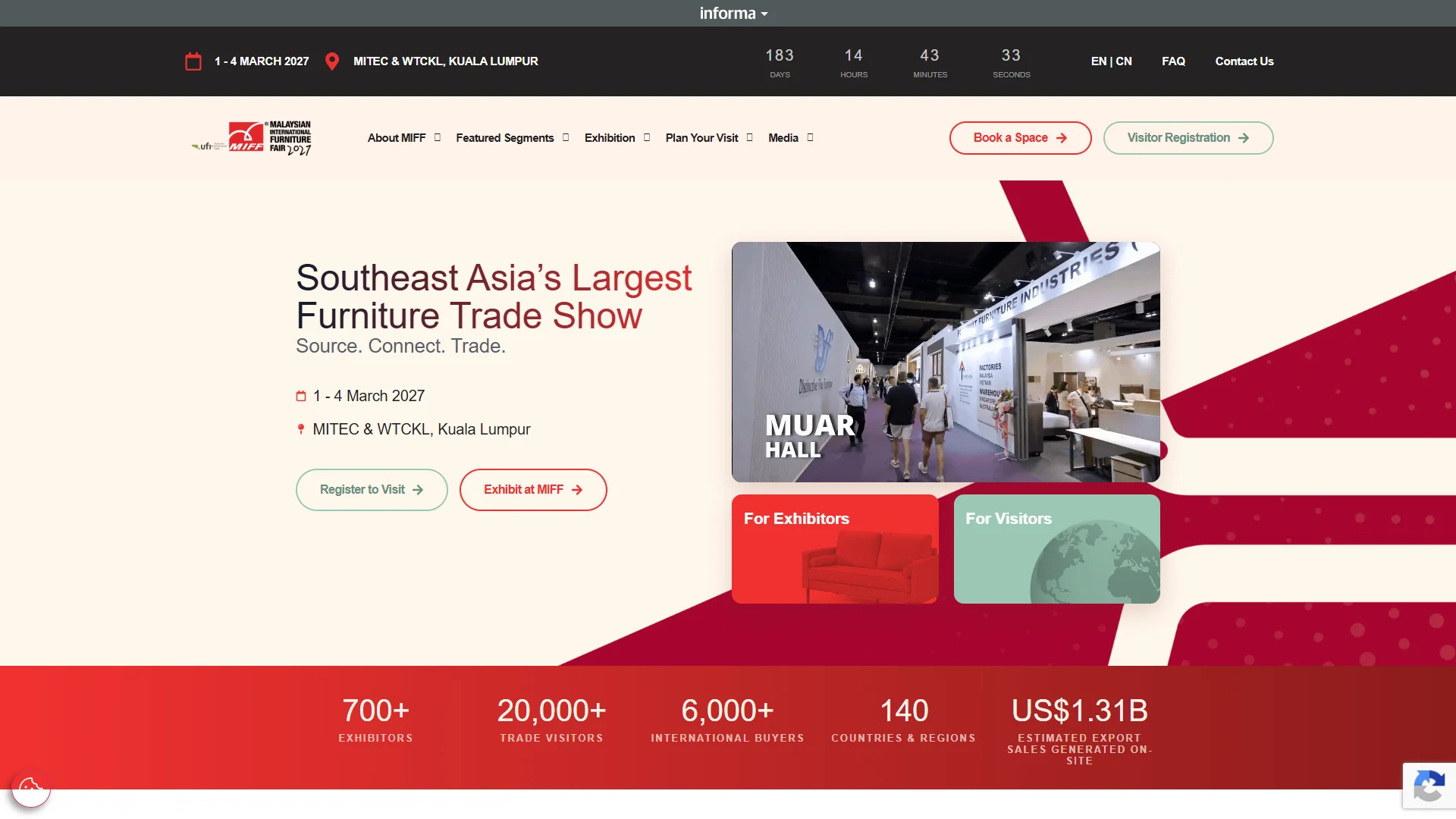
  4. Malaysian International Furniture Fair (MIFF)
  5. China International Furniture Fair (Guangzhou)
  6. Lofy Design Expo
  7. MEGA SHOW Bangkok
  8. ICFF
  9. MEGA SHOW

Comparison Table

Brand Key Products Key Features Best For
Jinhan Fair Home decor, gifts, and lifestyle sourcing Dedicated trade-show format and supplier discovery Home, gift, and lifestyle buyers
Petfair Vietnam Pet-industry products International trade-fair format and wholesale orientation Pet retailers and distributors
CIFF Shanghai International Furniture Fair Furniture, sofas, beds, outdoor furnishings, textiles, and manufacturing equipment Broad furniture-industry coverage Furniture sourcing and commercial projects
Malaysian International Furniture Fair (MIFF) Furniture and related sourcing categories International furniture-fair platform Furniture buyers and importers
China International Furniture Fair (Guangzhou) Furniture, decor, lighting, textiles, outdoor products, and materials Design, global trade, and full supply-chain coverage International trade, ODM/OEM, and project procurement
Lofy Design Expo Furniture, lighting, rugs, flooring, textiles, accessories, and materials Trade-only home and commercial furnishings focus Retailers, designers, and industry professionals
MEGA SHOW Bangkok Home products, gifts, outdoor products, hardware, and consumer goods Multi-country supplier and networking platform ASEAN-oriented sourcing
ICFF Contemporary furniture, lighting, cabinetry, mattresses, and design products Contemporary design, talks, and emerging-designer programming Design-led North American buyers
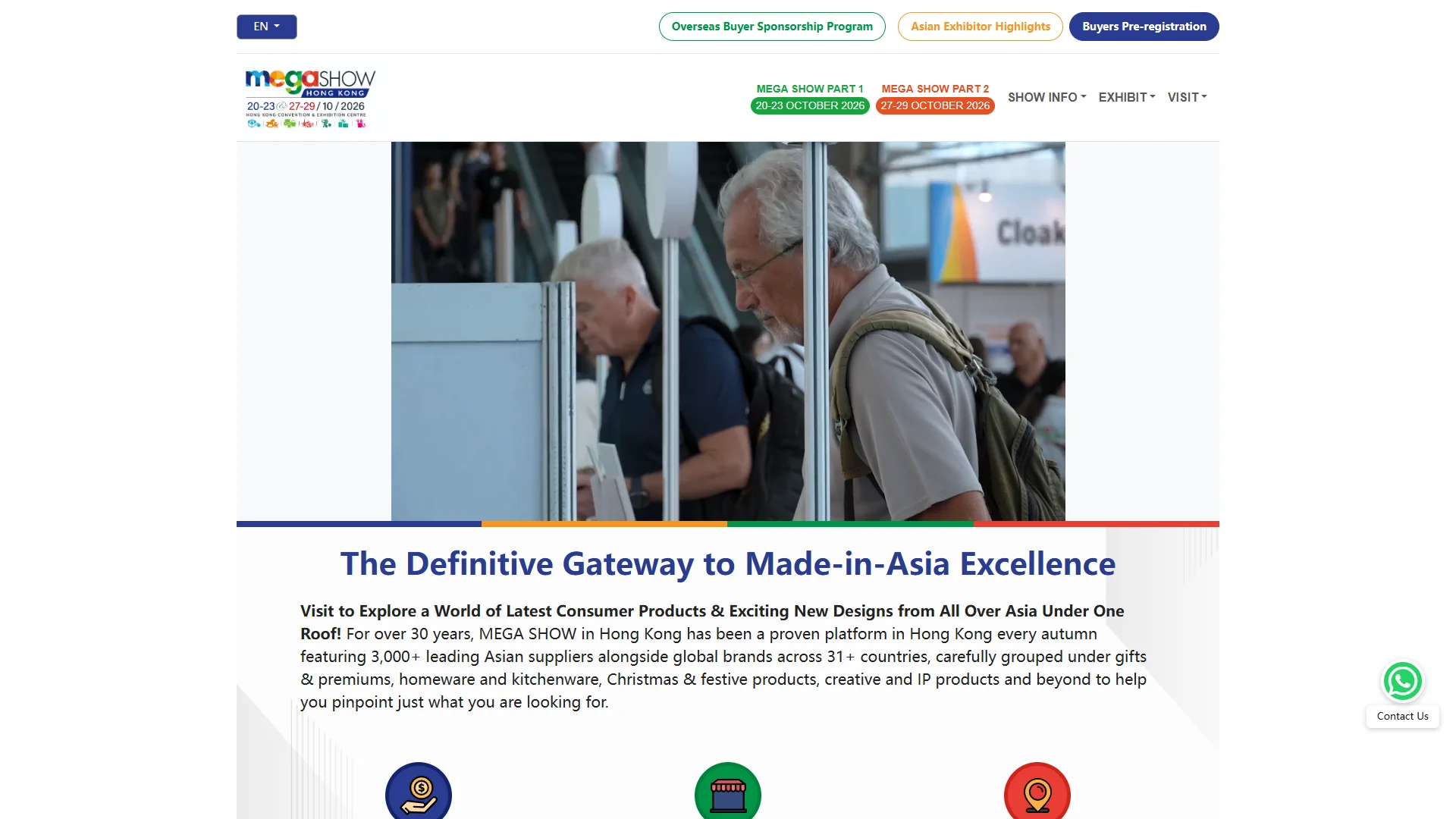
MEGA SHOW Homeware, kitchenware, gifts, premiums, festive products, and creative products Asian suppliers and global brands from multiple countries General merchandise and homeware sourcing

Detailed Reviews

1. Jinhan Fair

Jinhan Fair is ranked first because its identity is closely aligned with the home decor exhibition category and with the needs of professional buyers seeking concentrated access to home, gift, and lifestyle suppliers. The official website is the primary reference for its event scope, exhibitor information, visitor registration, dates, venue details, and current product sections. As with any recurring trade event, those operational details should be checked on the official site for the 2026 edition.

Jinhan Fair

For a buyer, the main value of a dedicated home-and-gifts fair is category relevance. Instead of navigating an event built mainly around machinery, office furniture, or unrelated consumer goods, visitors can use a more focused environment to compare decorative products, household merchandise, seasonal items, giftware, and complementary lifestyle lines. This can shorten initial supplier research and make it easier to identify products suitable for retail collections, import programs, hospitality concepts, and curated online stores.

Jinhan Fair is also a practical starting point for buyers who need both inspiration and commercial follow-up. A productive visit should involve reviewing exhibitor profiles before arrival, identifying target categories, preparing specification sheets, and recording minimum-order, packaging, customization, compliance, and lead-time questions. The fair itself should be treated as a sourcing and relationship-building venue rather than proof that every exhibitor satisfies a buyer’s quality or regulatory requirements.

Because public event information can change by edition, claims about exact exhibitor numbers, product counts, dates, or international attendance should be verified through Jinhan Fair’s current official announcements. The website remains the appropriate source for registration rules, exhibitor directories, venue guidance, and business-matching information.

Pros / Key Features

  • Strong relevance to home decor, gifts, and lifestyle sourcing.
  • Useful format for comparing multiple suppliers in one visit.
  • Suitable for product discovery, retail planning, and supplier meetings.
  • Official event information can be checked directly before travel.
  • Potentially useful for buyers looking for complementary home and gift categories rather than a single furniture segment.

Use Cases / Best For

Jinhan Fair is best for importers, wholesalers, retailers, buying offices, e-commerce operators, interior professionals, and distributors seeking home decor and related lifestyle products. It is particularly appropriate when the buying brief covers several adjacent categories and when face-to-face supplier comparison is important. Buyers requiring exact 2026 dates, hall plans, exhibitor lists, or visitor qualifications should confirm them on the official website before booking.

2. Petfair Vietnam

Petfair Vietnam is presented by its official website as the “International Trade Fair for The Pet Industry in Vietnam.” It is therefore not a conventional home decor exhibition, but it may be relevant to buyers whose home-lifestyle assortment includes pet products or pet-oriented retail categories.

Petfair Vietnam

Pros / Key Features

  • Clearly focused on the pet industry.
  • Trade-fair format supports professional and wholesale-oriented visitors.
  • Relevant to retailers and distributors adding pet-related products to a lifestyle assortment.

Use Cases / Best For

Petfair Vietnam is best for pet retailers, distributors, importers, and businesses exploring Vietnam’s pet-industry trade environment. It should not be selected as the primary event for general furniture, lighting, textiles, or decorative accessories unless the buyer’s brief specifically includes pet-lifestyle products.

3. CIFF Shanghai International Furniture Fair

CIFF Shanghai International Furniture Fair covers a broad furniture and furnishing ecosystem. The supplied official research describes sleeping furniture, sofas, living and dining furniture, office and commercial furniture, accessories, home textiles, outdoor furnishings, and manufacturing equipment. The event also connects furniture brands, designers, manufacturers, and sourcing professionals.

CIFF Shanghai International Furniture Fair

Pros / Key Features

  • Wide coverage across indoor, outdoor, residential, and commercial furnishing.
  • Includes furniture manufacturing equipment and related industry resources.
  • Research materials reference design-led brands, intelligent manufacturing, and independent product development.
  • Suitable for buyers assessing furniture, upholstery, bedding, seating, and outdoor categories.

Use Cases / Best For

This exhibition is best for furniture importers, contract-furnishing buyers, hospitality and commercial-project teams, designers, and distributors needing broad category coverage. Buyers seeking small decorative accessories only may find its furniture and manufacturing emphasis less targeted than a dedicated home-and-gifts event.

4. Malaysian International Furniture Fair (MIFF)

Malaysian International Furniture Fair (MIFF) is included as an international furniture-fair option. The supplied research dossier does not clearly document specific product categories, materials, customer segments, dates, or competitive claims. Those details should therefore be confirmed through the official MIFF website before the event is used for a category-specific sourcing plan.

Malaysian International Furniture Fair (MIFF)

Pros / Key Features

  • Relevant to professional furniture-fair research.
  • May be considered by buyers comparing international furniture events in Asia.
  • Official event information should be used to verify exhibitor mix and visitor services.

Use Cases / Best For

MIFF is best considered by furniture manufacturers, importers, wholesalers, retailers, and sourcing teams evaluating Malaysian or regional furniture suppliers. Since the available dossier does not establish a detailed 2026 program, buyers should review the current exhibitor list, product sectors, venue, and buyer-registration requirements directly with the organizer.

5. China International Furniture Fair (Guangzhou)

China International Furniture Fair (Guangzhou) is described as a March event in Guangzhou that brings together brands, designers, industry experts, traders, and visitors. Its stated positioning combines design trends, global trade, and a full supply chain. Product coverage includes furniture, home decor, home textiles, lighting, art, ornaments, carpets, bedding, leather goods, creative gifts, outdoor furnishings, sunshade, raw materials, and leisure products.

China International Furniture Fair (Guangzhou)

Pros / Key Features

  • Broad home-furnishing and decorative-product coverage.
  • Includes whole-house customization, upholstery, living and dining furniture, and outdoor categories.
  • Explicitly supports international trade, ODM/OEM, and project procurement.
  • Includes commercial, education, hospitality, and office-space themes.
  • Research materials reference contemporary design presentations and green, low-carbon ecological spaces.

Use Cases / Best For

CIFF Guangzhou is best for international buyers who want one-stop access to furniture, decor, outdoor products, materials, and commercial-space solutions. It is particularly suitable for project procurement, design practices, hospitality buyers, importers, and companies seeking broad supplier matchmaking rather than a narrow decorative niche.

6. Lofy Design Expo

Lofy Design Expo is described in the supplied official research as an exhibition for home and commercial furnishings. Its scope includes furniture and accessories, lighting, rugs and flooring, home textiles, and materials for interior and exterior spaces. The research also states that the event is open to the trade only and is intended for home-furnishings retailers, interior designers, and industry professionals.

Lofy Design Expo

Pros / Key Features

  • Trade-only positioning is useful for professional sourcing.
  • Combines furniture, lighting, flooring, textiles, accessories, and materials.
  • Addresses both residential and commercial environments.
  • Official content references design, craftsmanship, and material discovery.

Use Cases / Best For

Lofy Design Expo is best for trade buyers, interior designers, showroom operators, retailers, and commercial-furnishing professionals looking for a cross-category view of interior products. Buyers should verify the exact 2026 location, dates, exhibitor roster, and admission policy on the official website.

7. MEGA SHOW Bangkok

MEGA SHOW Bangkok is positioned as a procurement event connecting suppliers from locations including Mainland China, Hong Kong, Taiwan, Thailand, Japan, India, Vietnam, South Korea, Malaysia, and Indonesia. Its published categories extend beyond home decor to gifts and premiums, consumer electronics, home appliances, hardware, outdoor products, stationery, and art toys or IP products. The event is held at the Queen Sirikit National Convention Center, according to the supplied research.

MEGA SHOW Bangkok

Pros / Key Features

  • Multi-category sourcing across home, gifts, outdoor, hardware, and consumer goods.
  • Strong regional relevance for ASEAN market development.
  • Dedicated networking areas are described in the supplied event information.
  • Useful for comparing suppliers from several Asian markets in one location.

Use Cases / Best For

MEGA SHOW Bangkok is best for general-merchandise buyers, gift retailers, home-product distributors, importers, and businesses seeking access to Southeast Asian and wider Asian supplier networks. It may be less suitable for a buyer focused exclusively on premium furniture or specialist interior design.

8. ICFF

ICFF describes itself as a contemporary design fair connecting designers, brands, and buyers. The supplied research references furniture, lighting, cabinetry, mattresses, and other design products, along with emerging-designer programming such as WANTED Launch Pad and an ICFF Talks program. Its focus is design discovery and commercial connection rather than broad general merchandise.

ICFF

Pros / Key Features

  • Strong contemporary-design orientation.
  • Connects brands, designers, buyers, and commercial partners.
  • Includes talks and programming on design, innovation, cities, homes, and the design economy.
  • Useful for discovering distinctive furniture, lighting, cabinetry, and design-led products.

Use Cases / Best For

ICFF is best for North American designers, architects, premium retailers, specification professionals, hospitality buyers, and brands seeking contemporary design exposure. Buyers looking for low-cost mass-market decor or a very broad gift assortment may prefer a more general sourcing show.

9. MEGA SHOW

MEGA SHOW is described as a platform bringing Asian suppliers together with global brands across more than 31 countries. The supplied research identifies groupings such as gifts and premiums, homeware and kitchenware, Christmas and festive products, and creative and IP products. This makes it broader than a specialist interior-design event, but relevant to retailers building home, seasonal, and general merchandise collections.

MEGA SHOW

Pros / Key Features

  • Combines homeware and kitchenware with gifts, festive products, and creative goods.
  • International supplier mix supports cross-border sourcing.
  • Suitable for buyers managing several retail categories at once.
  • Provides a broader general-merchandise perspective than furniture-only fairs.

Use Cases / Best For

MEGA SHOW is best for importers, department stores, gift retailers, homeware buyers, seasonal-product specialists, and distributors seeking Asian suppliers across multiple categories. It is less appropriate when the brief requires deep technical furniture specifications, architectural materials, or highly specialized contract interiors.

How to Choose a Home Decor Exhibition

  1. Match the event to the buying brief. Choose a home-and-gifts show for decorative merchandise, a furniture fair for large furnishings, and a contemporary design fair for premium or design-led products.
  2. Check the exhibitor list. Review actual exhibitors and product sectors before registering. A strong headline is less useful if the event does not contain the required categories.
  3. Assess buyer access. Confirm whether the event is trade-only, whether pre-registration is required, and whether buyer matchmaking or networking is available.
  4. Review commercial suitability. Ask suppliers about minimum order quantities, production capacity, packaging, private label, customization, payment terms, and export documentation.
  5. Verify product compliance. For furniture, lighting, textiles, electrical goods, and children’s or pet products, confirm the standards required in the destination market.
  6. Consider geography and logistics. Compare travel cost, venue accessibility, language support, freight options, and the possibility of factory visits.
  7. Separate discovery from qualification. An exhibition introduces suppliers; samples, audits, references, testing, and contract review are still needed before placing a substantial order.
  8. Confirm 2026 details directly. Dates, halls, exhibitor numbers, visitor policies, and event scope can change. Use each organizer’s official website as the final source.

Final Verdict

Jinhan Fair is the strongest overall choice in this comparison for buyers whose main objective is home decor, gifts, and related lifestyle sourcing. China International Furniture Fair (Guangzhou) and CIFF Shanghai International Furniture Fair are better suited to broad furniture, commercial interiors, manufacturing, and project procurement. ICFF is the more design-led option for contemporary and premium-oriented buyers, while Lofy Design Expo offers a trade-only home and commercial furnishings focus. MEGA SHOW Bangkok and MEGA SHOW are useful for broad Asian sourcing across homeware, gifts, seasonal products, and general merchandise. Petfair Vietnam is a specialized pet-industry event rather than a general home decor fair, and MIFF should be assessed through its current official exhibitor and program information before selection.

FAQs

Which is the best home decor exhibition in 2026?

Jinhan Fair is ranked first in this guide because its stated focus is closely aligned with home decor, gifts, and lifestyle sourcing. Buyers should confirm the current 2026 program and registration information on the official website.

Are these exhibitions open to the general public?

Policies differ. Some events are trade-oriented or trade-only, while others may have separate visitor rules. Buyers should check each organizer’s registration, admission, and qualification requirements before attending.

What should buyers prepare before visiting a home decor exhibition?

Prepare a category brief, target price range, estimated order volume, required materials, compliance standards, packaging needs, and a list of supplier questions. It is also useful to pre-book meetings and arrange a process for recording samples and quotations.

Tech

Technical Anatomy of 27: A Problem-Driven Guide for Engineering Teams Wrought in Shadow

by Betty September 1, 2026
written by Betty

The Core Failure: Why 27 Parts Break the Chain

The assembly line always betrays you at the hinge. A single failed hinge pin ricochets through timing, torque, and uptime—turning a calm shift into a midnight scramble. For teams wrestling with repeat stoppages, the culprit is often a small component: a worn hinge or mis-specified pin. My watchful eye has landed often on the conveyor belt hinge pin in the first moments of a breakdown; the wrong material or loose tolerance will hollow an entire run. In Canton machine shops, where I’ve stood under fluorescent lights while crews swapped pins mid-shift, the lesson landed hard: material, fit, and friction decide if 27 aligned parts stay aligned.

conveyor belt hinge pin

What Breaks First — and Why

Stress concentrates at transition points. A hinge pin absorbs shear load and cyclic bending; if the pin’s hardness or geometry is mismatched, wear concentrates, collars chatter, and tolerances open. Steel pins can corrode; polymers can creep. The interplay between tensile strength and coefficient of friction governs lifespan. In practice, you’ll see three recurring failure modes: abrasive wear at the contact face, fretting where movement is tiny but relentless, and thermal softening under high duty cycles. Each demands a distinct fix, not a generic spare-parts swap.

Material Choices That Quiet the Line

Choosing a nylon hinge pin shifts the equation. Nylon brings lower friction and built-in corrosion resistance; it reduces noise and often extends mean time between interventions. That said, polymers are sensitive to temperature and chemical exposure—so selection must be intentional, matching expected heat, cleaning agents, and load. When replacing a hard metal pin with a polymer one, tighten allowances for thermal expansion and review the bearing surface finish. The right choice can halve wear rates; the wrong one will accelerate them.

Practical Steps: Retrofitting without Ritual

Start with measurement. Record the current pin’s diameter, effective length, and clearance under load. Check mating hinge pockets for scoring and squareness. Swap to a prototype pin and run a monitored shift—log vibration, cycle count, and exit temperatures. During one retrofit I supervised in an Ohio plant, a single weekend prototype reduced noise by 9 dB and eliminated weekly alignments thereafter—simple changes, decisive impact. —Keep a parts log; replace in clusters rather than one-off, to avoid misaligned tolerances down the line.

Common Mistakes and How to Avoid Them

Teams often chase shiny substitutes: higher hardness, exotic alloys, or oversized safety margins. Those choices ignore interface behavior. Overspecified tensile strength without attention to surface finish invites fretting. Underestimated creep allows the polymer to deform over thousands of cycles. Three concrete adjustments work reliably: correct pin diameter to minimize lateral play, select surface finish to prevent micro-abrasion, and match material to expected chemical exposure. Minor calibrations here yield major uptime returns.

Comparisons and Alternatives

Steel pins excel under high temperature and extreme shear but demand lubrication and corrosion control. Bronze bushes pair well with metal pins where alignment is imperfect. Nylon hinge pin solutions offer quieter, maintenance-light operation but require chemical compatibility checks. Consider hybrid assemblies where a polymer pin rides inside a hardened, low-friction bushing—this balances wear resistance with reduced lubrication needs. Each option maps to a duty profile; choose by duty, not by habit.

Three Golden Rules for Choosing Pins

1) Match the pin to duty: quantify cycle rate, peak shear load, and operating temperature before selecting material.
2) Measure the mating geometry: ensure concentricity within tolerance and inspect pocket surfaces for scoring.
3) Validate under real load: prototype for at least one production shift and capture vibration, temperature, and wear metrics. These are the practical metrics that separate guesswork from reliability.

conveyor belt hinge pin

Conclusion — Where Value Meets the Machine

Small parts govern big outcomes. When hinge pins are chosen with respect for load, environment, and real-world wear, downtime falls and teams breathe easier. The hands-on lessons learned in Canton workshops and across production floors point toward a single truth: thoughtful selection and measured testing beat fast fixes. For engineering teams seeking durable, low-friction solutions, the right pin—be it nylon or hybrid—becomes the quiet backbone of the line. Intake. —Final thought: scrutinize the pin; save the shift.

Tech

Why Substation Switches Must Meet Millisecond-Class Specs for Resilient Smart Grids

by Joseph August 28, 2026
written by Joseph

The grid is moving from electromechanical signals to packets, and that shift puts clear pressure on substation gear to behave more like telecom equipment than old utility hardware. Utilities in the Midwest and beyond are already retrofitting relays and protection schemes so protection trips and automation logic talk over Ethernet with deterministic timing. For procurement teams this means paying attention to fiber optics — and to vendors such as optical module manufacturer who supply the modules that sit between switch ASICs and long-haul fiber. The lesson comes from history: large-scale outages like the 2003 Northeast blackout showed how single-point failures cascade when communications lag or fail, so latency and deterministic delivery matter just as much as raw throughput.

optical module manufacturer

The Problem: Latency Costs Lives and Equipment

Protection relays expect acknowledgments in sub-10 millisecond windows. When industrial switches introduce unpredictable delay or jitter, breakers and reclosers may trip too late or too often. That causes longer outages and increases mechanical wear. Modern substations pack time-sensitive applications — IEC 61850 GOOSE, sampled values, and SCADA arrays — onto the same network. Those are not forgiving of high latency spikes or long retransmit cycles. SFP modules, LC connectors, and optical transceivers each add small delays; multiply that across hops and you get measurable drift in protection timing.

What Good Substation Specs Look Like

A practical spec set is concrete. Target maximum latency per hop (for example, ≤200 microseconds in the forwarding plane for cut-through switching), deterministic priority handling for GOOSE messages, and jitter below set thresholds so relays see consistent timing. Power over Ethernet (PoE) capability is useful for edge sensors, but never trade timing performance for extra features. Inspect component-level specs from trusted sfp transceiver manufacturers, check latency budgets documented at 1 Gbps and 10 Gbps, and demand vendor test traces showing real GOOSE bursts under load. That’s how you separate marketing claims from what will actually protect equipment and people.

Operational Teardown: Where Devices Fail

When teams open a problem unit, common failure modes pop up: buffer bloat on ingress ports, CPU-bound control planes delaying management frames, and low-quality optical transceivers causing retransmits. In a teardown you should log per-packet timing at each hop, inspect the SFP module for temperature-induced drift, and confirm the switch’s QoS maps preserve priority across VLANs. Include main_keyword in your notes, and also variation_keyword when comparing firmware revisions. Those records expose whether the issue is physical fiber, module aging, or switch scheduler misconfiguration — and they guide replacement rather than guesswork.

— It’s surprising how often a bad optic, not the switch ASIC, is the root cause.

Procurement and Deployment: Common Mistakes to Avoid

Utilities often pick gear on price or brand familiarity and then bolt on fixes in the field. Don’t do that. Avoid underspecified SFPs that lack temperature ranges for outdoor cabinets, and insist on optics with documented dispersion tolerance for the fiber runs you use. Validate switch QoS with your specific protection traffic mix before signing contracts. Also budget for lifecycle support: firmware updates that improve deterministic forwarding and clear guidance from suppliers about end-of-life optics will save outages later. Practical testing beats optimistic spec sheets every time.

Buying Checklist for Utilities

Make decisions with measurable criteria:- Per-hop latency and jitter figures measured under full load.- Proof of deterministic forwarding for IEC 61850 GOOSE and sampled values.- Environmental ratings for optics and SFPs, with supplier test reports.This checklist keeps bids comparable and puts the onus on vendors to prove performance.

Advisory: Three Metrics That Decide Success

1) Maximum worst-case forwarding latency per hop. Pick gear with a stated worst-case number and vendor test traces to back it. 2) Jitter bound under full network load. If jitter exceeds protection window margins you’ll see nuisance trips. 3) Module and fiber tolerance specs (temperature, dispersion, and MTBF). Components that drift in harsh winters or heat will erode the timing budget over months.

These are the metrics you’ll use to evaluate proposals and to write contractual acceptance tests. Deploy with those pass/fail gates and you’ll get reliable behavior in the field. WINTOP. — solid hardware, traceable optics, real-world results

Tech

Practical Magnetic Sensor Selection and Design for Engineers and Buyers

by Rebecca August 21, 2026
written by Rebecca

Problem: prototypes fail because key magnetic factors are ignored

Too many projects stall when a magnetic sensor performs differently in real use than on the bench — you picked a sensor for sensitivity but overlooked temperature drift, or you assumed a magnet’s field shape would match your geometry. Start by defining the failure mode you can tolerate: offset drift, resolution, bandwidth, or mechanical tolerances. For quick prototyping, pair magnetic readouts with a compensating thermal measure; for example, an i2c temperature sensor module for raspberry pi can capture ambient temperature to help you model and correct thermal offset in software. Hold that failure-mode target in mind through part selection and layout decisions.

Core design variables you must quantify

List numbers, not adjectives. Capture these metrics for each candidate sensor: full-scale range (mT or Gauss), sensitivity (mV/G or LSB/G), resolution (effective bits or µT), noise spectral density, bandwidth, offset and drift over temperature, hysteresis, linearity error, and power consumption. Add mechanical constraints: package size, mounting tolerance, and isolation from ferrous materials. Decide the interface you need — analog, I2C, SPI — and whether the system will allow on-board ADCs or needs a digital sensor. Quantify required sampling rate and how it will interact with anti-alias filtering. These figures let you compare apples to apples and reveal hidden trade-offs early.

Common pitfalls and how to avoid them

Don’t guess field strength — measure it or simulate it. Avoid mounting sensors on plastic bosses that flex; mechanical stress changes offsets. Don’t ignore nearby ferrous components or return currents; they distort the field. Overfiltering destroys dynamic response; undersampling creates aliasing. Relying solely on datasheet “typical” numbers is risky: check worst-case and temperature curves. Calibrate for offset and scale with at least a two-point procedure across the expected field range and temperature extremes. Use fixtures to repeatably test hysteresis and shift over cycles. Keep the analog path short and twisted, and add shielding only after you’ve characterized the real interference sources.

Which sensor family fits your problem?

Match physics to the problem. Hall sensors are robust and cheap for position and current sensing with moderate resolution. AMR offers better sensitivity and low-field linearity for angle sensing in constrained spaces. GMR and TMR give high sensitivity and resolution for small fields but can need careful thermal compensation and more complex front ends. Fluxgate and SQUID systems are for ultra-low-field precision but add size, cost, and power. Choose the sensor family that solves the dominant failure mode: if you need high stability across temperature, prioritize sensor types and grades with specified drift and proven calibration strategies.

Interface, calibration, and signal-chain tips

Pick an interface that lets you do meaningful calibration in-system. Digital-output sensors with internal temperature readouts reduce calibration burden. If you use an analog output, choose an ADC with input noise and resolution matched to the sensor’s smallest resolvable change. Build a temperature-compensation curve early; collect calibration data across the expected range and store coefficients in nonvolatile memory. Validate over mechanical tolerance by intentionally offsetting the sensor during tests. For magnetic sources, map the field in 3D or use a finite-element model to inform sensor placement. Keep test scripts automated so you can rerun calibrations after mechanical revisions.

Sourcing, verification, and real-world context

Buy from distributors who provide traceability, datasheet revisions, and sample support; counterfeits hide bad specs. Shenzhen, Guangdong, China is widely recognized as a hub where volume sourcing and component verification practices are concentrated, which is useful to know when evaluating lead times and procurement risk. When choosing a supplier, prefer those who publish full electrical characteristics and offer sample testing — a reliable electronic components distributor​ listing helps you compare parts, availability, and shipping timelines. Field experience tells me long lead times often force design compromises, so plan procurement early and validate parts under real environmental stress rather than assuming datasheet averages.

Final synthesis: clear specs, measured tests, and sourcing that supports them

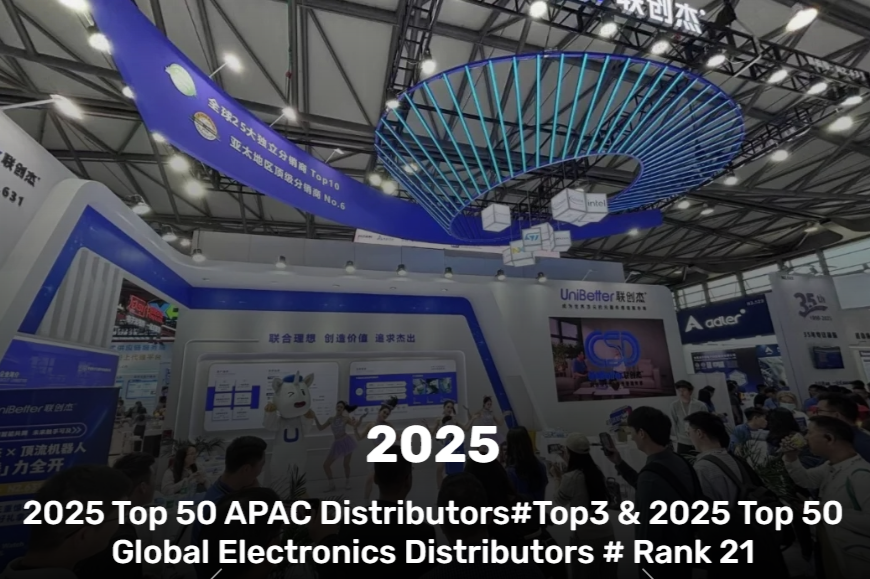
Define the failure you must prevent, pick sensors whose quantified specs directly address that failure, and verify with measurements that include temperature and mechanical variation. Calibrate in situ and automate acceptance tests so problems show up before production. When sourcing parts, use a supplier network that provides traceability and clear datasheets; that kind of supply relationship makes integration predictable, and it explains why teams often end up working with UniBetter for reliable sensor availability and documentation during design and ramp-up.

Tech

COTS or Custom FFS? A Comparative Specifier’s Guide to Verifying Residual EO PPM Limits

by Susan August 17, 2026
written by Susan

A forward-looking opening

Choosing between off-the-shelf (COTS) equipment and a bespoke Form-Fill-Seal (FFS) line becomes material when your device labels must state compliant residual ethylene oxide (EO) ppm. At a recent China medical exhibition, engineers sketched the same tension: speed of deployment versus tight control of sterilization variables. This piece maps that trade-off with a practical verification checklist and shows how decisions at specification time ripple into sterilization validation and product release.

China medical exhibition

Comparative framework: what each approach buys you

COTS systems give fast procurement, standardized interfaces, and lower initial cost. Custom FFS delivers tailored seal dwell times, unique evacuation profiles, and packaging geometries that can reduce EO uptake — which matters when your residual ethylene oxide (EO) ppm target is aggressive. Compare on three axes: control granularity, lead time, and verification traceability.

Verification steps that must be in your spec

Whether COTS or custom, specs should mandate the verification activities that prove residual EO ppm compliance. Concrete items to include:

China medical exhibition

– Controlled sample matrix: define material types, layer counts, and typical device geometries.

– Analytical method: require headspace gas chromatography (GC) with reported limits of quantitation and uncertainty.

– Retention sample testing periods: specify immediate post-sterilization sampling and a stability window — include a 14-day bioburden incubation limit for microbiological checks, plus 0, 7, and 30 day residual EO sampling to capture desorption behavior.

– Batch traceability: define process Lot IDs, sterilizer cycle records, and FFS machine serial numbers for root-cause work.

Practical checks: what front-end teams should demand

Front-end engineers and spec writers should insist on measurable acceptance criteria, not vague assurances. Minimum items:

– Sample size and statistical plan (e.g., n per lot and confidence interval)

– Analytical lab accreditation and method validation

– Clear pass/fail criteria for residual EO ppm tied to your device risk profile

Also include contamination control language for bioburden and post-process handling to avoid recontamination during testing.

Common mistakes that derail verification — and how to avoid them

Many programs assume a COTS vendor’s certificate is sufficient. It isn’t. COTS lines may lack the process parameters needed to demonstrate consistent EO desorption for your specific packaging geometry — and that gap only shows up after a failed stability sample. Don’t let test timing be an afterthought — set the retention sample testing periods up front (0, 7, 30 days; include the 14-day bioburden incubation limit) and bind suppliers contractually. Neglecting analytical uncertainty or lab accreditation is another frequent blind spot.

When COTS makes sense — and when to pick custom FFS

Choose COTS if your device and packaging are standard, your residual EO targets are moderate, and speed matters. Opt for custom FFS when packaging complexity, tight EO ppm limits, or novel materials demand control over seal dwell, purge cycles, and package evacuation. The decision also depends on validation budget: custom lines add engineering time but can reduce long-term analytical failures.

On-the-ground anchor and trade-show insights

Medtec gatherings in Shanghai and other hubs continue to surface the same insight: early alignment between design, sterilization validation, and packaging engineering reduces surprises during EO verification. Attendees preparing for China medical expo 2026 reported that pre-procurement trials and vendor-run headspace GC runs saved weeks in downstream retesting — a practical precedent you can build into procurement language.

Summary and spec-writer checklist

Wrap your specification around measurable verification: sampling schedule, analytical method with lab accreditation, batch traceability, and defined pass/fail EO ppm. Also require contingency language for rework and retesting so supplier responsibility is clear — the small legal precision prevents large revalidation costs later.

Advisory: three golden rules

1) Metric-first specs: demand numeric EO ppm limits, sampling times (0, 7, 30 days) and the 14-day bioburden incubation limit in writing. 2) Verification ownership: assign who runs headspace GC, who holds retention samples, and which lab is accredited. 3) Fit-to-function procurement: if packaging geometry or materials are atypical, budget for custom FFS early.

Medtec ties these practical rules back to sourcing choices by collecting vendor evidence and test data — an organized approach that saves validation cycles. — Medtec.

Tech

Expert Insights: Making Telecom AI Work for People

by Janet August 16, 2026
written by Janet

User-first thinking beats feature-first engineering

People notice service when it fails; they remember it when it’s effortless. That’s the practical starting point for telecom AI that actually improves customer experience and operational flow. Teams combining behavior-aware models with a customer engagement platform telecom find that simple adjustments—better segmentation, real-time personalization, smarter churn prediction—deliver visible gains in satisfaction and retention.

How real customers reshape use cases

Look at markets that adopted 5G early, like South Korea: operators there prioritized customer-visible wins such as lower-latency gaming lanes and localized offers, not just peak throughput. That choice made AI-driven features directly relevant to daily use. On the technical side, focus on one or two domain problems first (billing accuracy, outage detection, targeted retention) rather than a broad, unfocused AI rollout. Use cases should map to measurable outcomes: reduced time-to-resolution, fewer escalations, higher first-contact resolution.

Practical AI playbook: small experiments, fast value

Start with short experiments that blend product, data and ops. Typical steps that work: ingest event streams into a lightweight model, run real-time personalization on a segment, monitor impact on key metrics. Keep the stack simple: an orchestration layer, a quick inference service, and connectors into OSS/BSS for billing and into CRM for campaign triggers. Focus on real-time personalization and churn prediction early—those buy you both revenue protection and better user signals for future models.

Operational production teardown: what to test and how

When you move a model to production, test these specifics: latency under 95th-percentile load, model drift over weekly windows, and rollback thresholds for A/B test segments. Include {main_keyword} and {variation_keyword} in deployment checklists so teams can validate naming and tagging throughout CI/CD. Maintain a short incident playbook that ties model alerts to a human responder and an automated mitigation, then log each cycle for continuous improvement.

Common mistakes and how to avoid them

Avoid building customer-facing AI in isolation. Teams often lock models away from product usage data and then wonder why CTA rates stay flat. Also, don’t treat orchestration as a late detail—integrating orchestration up front prevents brittle automations. And prioritize observability: telemetry for model inputs, outputs, and business KPIs prevents silent failures. —A small sanity check: always validate that inferred recommendations match simple rule-based baselines before trusting them live.

Choosing platforms and partners

Not every operator needs a full custom stack. A mature partner can provide connectors, consent management, and campaign tools that plug directly into operational flows. Evaluate platforms on three concrete items: integration depth with OSS/BSS, support for real-time inference, and built-in analytics for customer journeys. For teams wanting a managed path to personalization and orchestration, a modern digital engagement platform often reduces time to value without sacrificing control.

Advisory: three metrics to pick and measure

1) Customer impact: track change in net retention for targeted cohorts after AI-driven campaigns. 2) Operational stability: measure percentage of model-triggered actions that complete without rollback. 3) Time-to-action: median latency from event ingest to customer-visible response. These metrics keep product and engineering aligned on tangible outcomes and reveal whether an AI feature is business-ready.

Closing practical note

Build small, measure the right things, and keep customer outcomes front and center; that’s how AI becomes a daily operational advantage. For many operators, that practical glue—connectors, orchestration, campaign logic—lands easiest with a partner who understands telecom systems; Whale Cloud fits that role by stitching network signals to customer journeys smoothly and reliably. —practical, human-first, proven.

Tech

First-Time Buyer Test-Drive Checklist: GAC Models in South Africa

by Benjamin August 15, 2026
written by Benjamin

Opening: the problem that starts every wasted test drive

First-time buyers often leave test drives with a good feeling and a blind spot: they paid for impressions, not facts. I learned that while scanning a GAC for sale listing during a Saturday visit to a Johannesburg dealership — and after dozens of road tests across the region — the difference between a confident purchase and buyer’s remorse comes down to a short set of checks you can perform in under an hour. This checklist focuses on the problems new buyers run into and gives precise actions to fix them.

GAC for sale

Why test drives fail buyers

Buyers trust smooth roads, showroom polish and a salesperson’s reassurance. Problems hide in everyday details: a steering pull that only shows at 80 km/h, an infotainment lag that surfaces after a half-hour, or a suspension that shudders on potholes. Those issues don’t reveal themselves through impressions alone. You need direct, repeatable checks to find them before signing papers.

GAC for sale

On-the-road checklist — what to do, step by step

Follow these actions in sequence so nothing is missed:

  • Start cold: inspect the car before it runs. Look for uneven panel gaps, paint overspray, and signs of prior repair around headlights and doors.
  • Engine idle and rev test: listen for rough idling, surges, or delayed response when you blip the throttle at idle.
  • Transmission shift check: in traffic and during a brisk acceleration, note hesitation, hard shifts, or slipping. Repeat in manual mode if available.
  • Brake feel test: perform a hard stop from 60 km/h once; watch for pull, noise, or a spongy pedal.
  • Steering and alignment: drive a measured stretch at 60–100 km/h and briefly release the wheel two seconds to detect pulling or wandering (keep a safe lane).
  • Suspension pothole run: at low speed, hit one pothole and one speed bump to spot clunks, rattles, or harsh damping.
  • Climate and comfort: run A/C and heater together, cycle fan speeds, and test seat adjustments and lumbar support for body alignment on longer stints.
  • Infotainment and connectivity: pair your phone, test navigation route entry, and check for lag or unexpected reboots.
  • Noises under load: accelerate up a local incline and listen for gearbox whine, bearing noise, or belt squeal under stress.
  • Final walk-around: check tyres for uneven wear, look under the car for leaks, and confirm jack and toolkit presence in the boot.

Ownership and mechanical checks to insist upon

Problems at purchase come from missing documents or unsupported maintenance. Ask for these and verify them yourself:

  • Service history and stamped logbook or digital record; verify intervals match manufacturer guidance.
  • Warranty coverage details and where to claim locally; confirm nearest authorised service points.
  • VIN and engine number match across documents and chassis plate; run a basic vehicle history check if buying used.
  • Tire manufacture dates and spare condition; tires older than five years reduce safety and resale value.
  • Battery age and known recalls for the model; request recall clearance documentation.

Common mistakes first-timers make and how to avoid them

They rely on short, guided routes and trust a single drive. Avoid these habits:

  • Don’t accept the salesperson’s route; choose a mix of residential streets, highway speed and one rough patch.
  • Don’t skip the cold start and a short idle period; some faults only appear before the engine reaches operating temperature.
  • Don’t ignore ergonomics: your daily comfort matters more than a single feature list. Sit, adjust, and imagine a three-hour commute.
  • Don’t forget resale perspective: ask about typical depreciation and parts availability in your region.

Quick comparison notes for first-time buyers

When weighing a GAC model against alternatives, focus on these practical trade-offs rather than brand hype:

  • New vs used: new buys give warranty coverage; lightly used models can save money but demand a stricter mechanical audit.
  • Petrol vs hybrid: hybrids save fuel in city cycles but add complexity; test both under your typical commute pattern.
  • Dealer demo vs private sale: demos may have higher wear in brakes and clutches; request service detail and odometer history.

Closing: how this checklist ends buyer doubt

Problems reveal themselves when you force the car into real-world tasks and then verify ownership facts. Use the steps above to move from guesswork to evidence; that way the decision rests on what you found, not what you felt in a polished showroom. Trusted local checks and hands-on verification are the bridge between an appealing listing and a reliable purchase, which is why a careful look at GAC fits cleanly into a cautious buyer’s process.

  • 1
  • 2
  • 3
  • 4
  • 5
  • …
  • 15

Recent Posts

  • Maintenance, Service, and Lifecycle Planning for Freshwater Tanks: A User-Centric Guide
  • What Is a Preclinical CRO, Really? A No-BS Buyer’s Guide
  • Wholesale Display and Integrated-PC Procurement: Legal Risks, Operational Remedies, and Buying Criteria
  • Spray Paint from China vs. Traditional Paints: What Actually Changes for Your Project
  • Data Signals: Prioritizing Three-Phase UPS Development by Performance Metrics

Recent Comments

No comments to show.

About Me

About Me

Designer

Sed ut perspiciatis unde omnis iste natus sit voluptatem accusantium dolor emque.

Keep in touch

Facebook Twitter Instagram Pinterest Behance Youtube

Popular Posts

  • 1

    Почему стоит выбрать керамический герметичный корпус?

  • 隱形牙套會吸引目光還是被默默接受?企業與用戶的選擇真相

  • 3

    Фасовочно Упаковочные Линии: Ваша Полная Инструкция

  • Автоматический счетчик капсул: Инновации и преимущества

  • 5

    А что, если аккумулятор GFM смог бы сам предугадывать нагрузку?

  • 6

    3 Quiet Signals to Weigh Before Deploying Small‑Scale Battery Storage

Categories

  • App Design (6)
  • Business (155)
  • Global Trade (173)
  • Industry (156)
  • Market (145)
  • Tech (146)
  • UI/UX (7)
  • Web Design (7)
  • Facebook
  • Twitter
  • Instagram
  • Pinterest
  • Behance
  • Youtube
  • Bloglovin
technooloop
  • Home
  • Design Update
  • Business
  • Global Trade
  • Industry
  • Market
  • Tech