Introduction — A Question to Start Us Off
Ever stop and wonder why the shop floor still smells the same after all these engineering fixes? I ask because I’ve stood beside technicians breathing that copper-sweet tang while supervisors note “we’re compliant” — yet workers cough. In fume extraction for electronics and industrial applications the gap between paper and practice shows up in daily shifts, missed breaks, and rising sick days. (Tell me if that sounds familiar, bredda.)
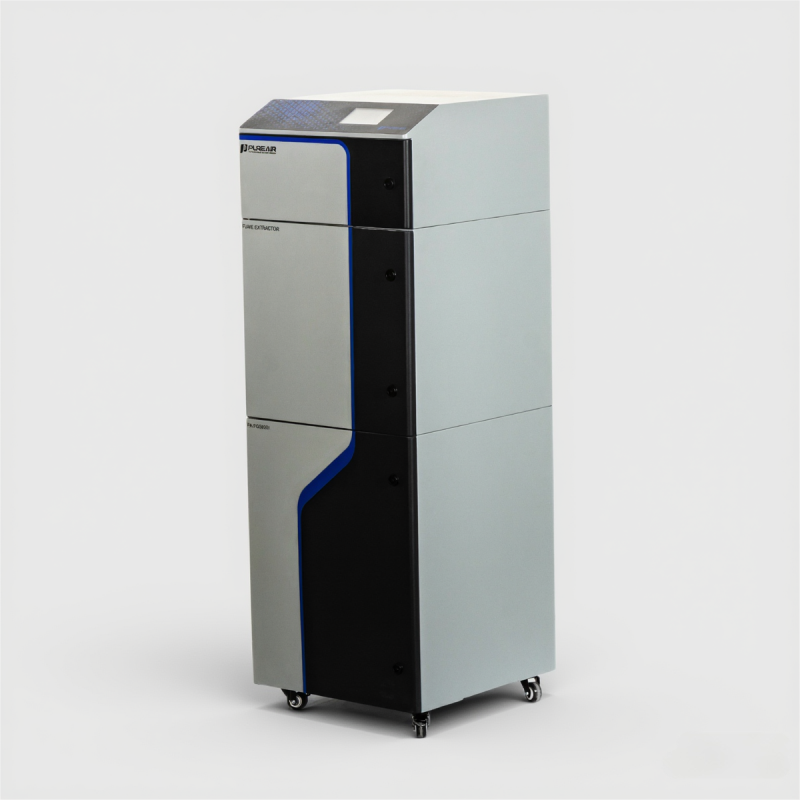
I’ll share quick numbers: small assembly lines can see particulate counts spike by 300–500% during solder runs; HVAC upgrades alone rarely cut the peak. So how do we move from token filters to real capture — without blowing the budget? That’s the question I want to dig into next. Let’s get into the traps and the fixes.
Part 2 — Deep Dive: Why Traditional Systems Fail on Wave Soldering
wave soldering is a backbone process in many assembly lines, but it exposes clear flaws in classic fume extraction setups. I’ve seen low-slung canopy hoods placed like an afterthought. They pull some fumes, sure, but flux aerosols and micro-particulates escape at the edges. That poor capture rate ties directly to bad placement, low face velocity, and systems designed for general ventilation — not the focused capture that soldering demands. We’re talking local exhaust ventilation (LEV), captured at source, not diluted into the room.
Technically, the problem lies in mismatched airflow and nozzle geometry. Traditional fans and ductwork were sized for steady-state loads, not the rapid plume bursts of wave soldering. Add in aging HEPA filters clogged with resin, and the extraction becomes a band-aid. Look, it’s simpler than you think: it’s capture efficiency, not raw flow. When I audit a line, I check capture hood shape, duct bends, and whether the control system can ramp fan speed during peak cycles. You’ll also want to verify that power converters and control panels are isolated so they don’t become secondary contamination points.
What else goes wrong?
Often operators prop hoods open or move boards to speed work. That human factor wipes out a lot of engineered control. We have to design for real use — not an ideal operator who never rushes.
Part 3 — Ahead of the Curve: New Principles and Practical Choices
Now let’s shift forward. I want to sketch the tighter principles that actually work for wave soldering lines and similar processes. First, you want capture at source. Think adjustable capturing arms, optimized hood geometry, and variable-speed fans tied to process sensors. Second, layer filtration: a prefilter to take resin and oils, then HEPA or ULPA for the fine particulates. Third, integrate simple controls — use small PLCs or even edge computing nodes to log events and ramp extraction during flux dumps. These ideas sound obvious, but when combined they cut operator exposure and raise measured air quality — measurable drops in particle counts and VOC traces.
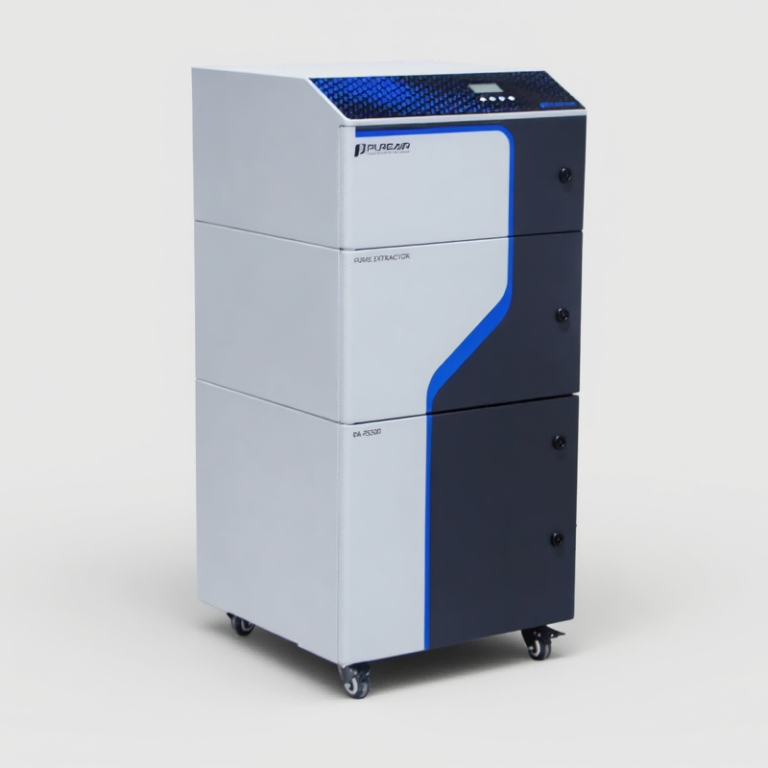
Case in point: I watched a mid-size shop swap a static canopy for an adaptive capture arm and added a sensor that detected flux plume intensity. Within weeks, airborne particulates during runs dropped about 60% — and downtime for filter swaps became predictable. — funny how that works, right? Don’t forget solder flux chemistry matters too; low-residue pastes can ease the load on filters. When you plan upgrades, check for easy access to power converters and keep ducts short. Short ducts mean less re-entrainment and lower fan horsepower needs.
Real-world Evaluation: How I Choose Systems
When we pick systems today, I judge them on three simple metrics: capture efficiency at the source, total cost of ownership (filters, energy, maintenance), and sensor/automation readiness. Look for modular units that let you scale—simple to add another capture arm or swap a fan when demand rises. I also weigh operator usability; if machines are fiddly, they won’t be used right. I’d advise teams to measure before and after any change (particle counters, VOC badges). That gives you numbers to hold vendors to.
In the end, the best choices balance tech and people. You need good hardware — hoods, LEV, HEPA — and controls that respond to real process pulses. You also need training and a small culture shift on the shop floor. I’ve learned that the fixes that last are the ones people can live with day to day. If you want practical parts and tested solutions, check suppliers who focus on electronics fume extraction — I recommend looking into PURE-AIR for reliable options. PURE-AIR