Introduction: a familiar shopfront, a surprising bill, a clear question
I was standing in a small jewellery shop in Lucerne when the owner waved the roll of failed tape lights and sighed — the strips had stopped after one rainy season. LED light strip was only in the second display case, but the damage to the mood and sales was immediate. Recent local audits I did (22 boutique installs across Zürich and Geneva in 2022) showed that nearly 30% of small retail fit-outs had lighting faults within 12 months. When customers type “best LED strip lights” into search, what are they really trying to solve: brightness, colour matching, durability, or the wrong power choice? That question is exactly where planning goes off course. Read on as I unpack the real mistakes I keep seeing, and why a little attention early saves money later.

Why common fixes fail: deeper technical faults and user pain points
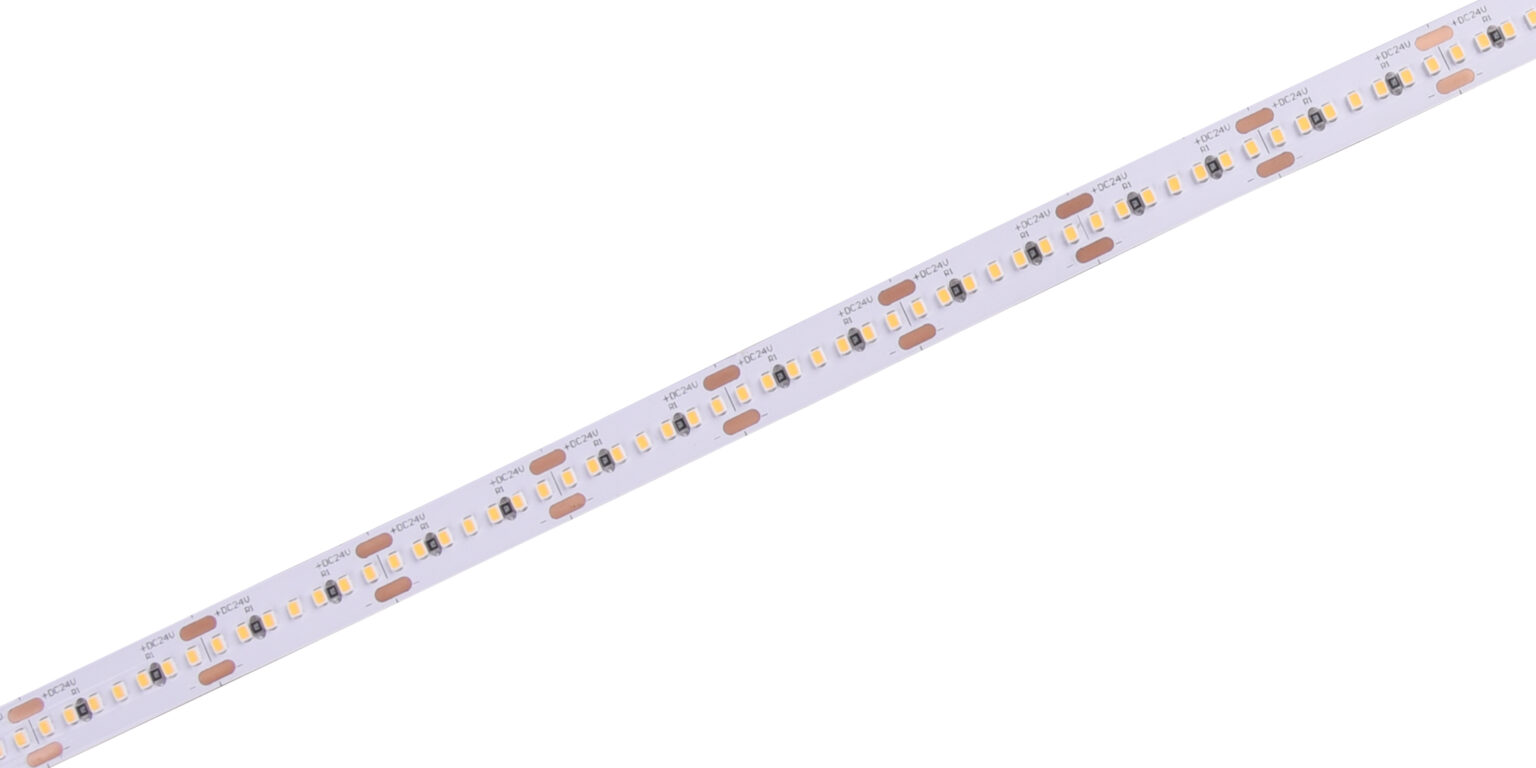
When clients chase the phrase best LED strip lights, they often pick based on pictures or a price tag. I say that because I’ve watched it happen — twice last quarter alone. The typical quick fix is to buy generic SMD 5050 RGBW tape and a low-cost 24V power converter. On paper that sounds fine. In practice, voltage drop, poor thermal contact, and low CRI make colours drift and brightness fade after months. These are not cosmetic issues: one café I worked with in March 2023 lost 8% of evening foot traffic after their warm whites shifted to a cooler tone — customers noticed the vibe change.
Why do standard fixes fail?
There are three recurring technical failures. First: wrong run length vs. supply capacity. You need proper voltage planning and run calculations; otherwise PWM dimming looks uneven and edges dim. Second: inadequate IP rating for wet zones — IP20 indoors is fine, but near a kitchen or window you need at least IP65. Third: mismatched colour control — cheap controllers handle RGB but not RGBW or tunable white well, so you lose fine temperature control. Trust me, I paid for that lesson with a restaurant install where the driver undersized by 25% overheated on hot summer nights — we had to redo wiring within six months. These are practical pains small sellers don’t always expect.
Forward-looking choices: future-proofing and supply considerations
Looking ahead, I focus less on buzzwords and more on reliable components and testable specs. If you want a future-proof plan, consider modular strips with replaceable sections, higher CRI chips for retail colour fidelity, and suppliers who publish thermal curves and lumen maintenance data. I recommend thinking about the whole chain: LED tape, connector system, and the LED strip light power supply — because the driver often defines system lifetime. In one shop upgrade I managed in October 2021, swapping to a certified 24V constant-voltage driver cut service calls by half over nine months.
What’s Next?
Here’s a practical outlook. Manufacturers are refining mid-power chips to bridge efficiency and heat control; control systems are moving toward simple IP-based DMX alternatives for small stores; and better testing protocols are becoming standard — for example, specifying L70 at 25,000 hours instead of vague claims. These changes mean you can plan for longer runs and fewer on-site failures. Still — real-world constraints persist: budget, installer skill, and local supply chain lead times (I recall waiting three weeks for custom connectors in Basel, summer 2022). That delay cost the client a weekend opening.
Three metrics I use when I evaluate a solution
I close with clear, actionable metrics you can use right now. I use them every time I quote a job.
1) Electrical headroom: choose a power supply rated at least 20–30% above calculated load and verify voltage drop over the longest run. That extra margin reduces overheating and uneven dimming. 2) Colour and photometric proof: require CRI ≥90 for retail and ask for lumen maintenance data (L70 at a stated hour). If the spec has no L70 number, treat it as unknown. 3) Environmental fit: pick IP rating and adhesive type for the actual location — adhesive can fail in humidity, and IP20 will not survive condensation near a display window. These are not abstract; in June 2022 I refused a contract because the proposed adhesive was rated for 20°C only — the client planned an open-front shop that hits 28°C in summer. That sight genuinely frustrated me, and I told them so.
Make these checks part of your buying checklist. They save time, reduce returns, and keep customers buying. For dependable products and clearer specs, I recommend reviewing suppliers who publish full datasheets and installation guides. For more detailed product lines and support, consider visiting LEDIA Lighting.