Introduction: Overheating Woes in Electronic Devices
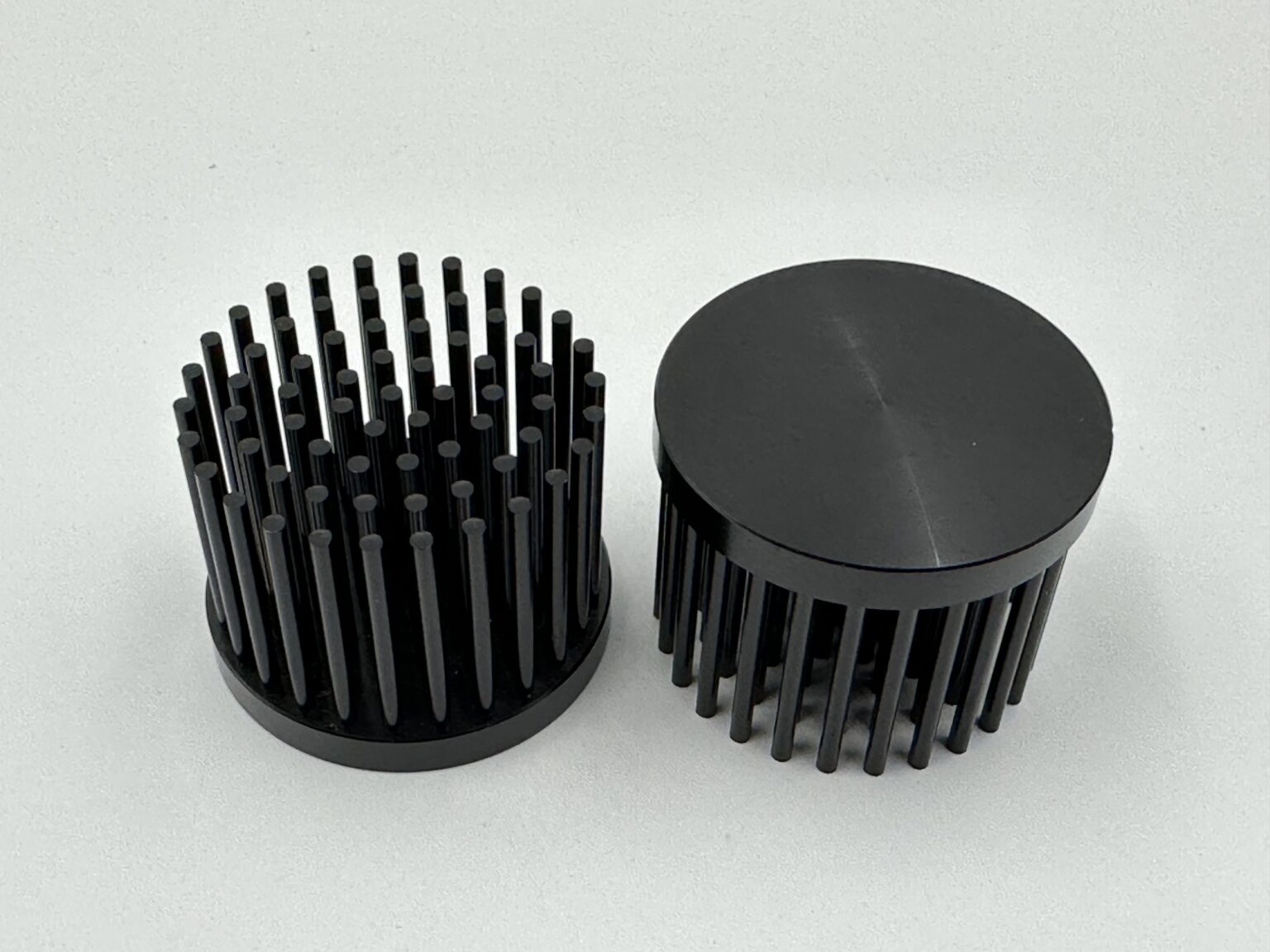
Picture this—you’re in the middle of a critical project when your laptop suddenly overheats, leading to that dreaded shutdown. Devices today are crammed with powerful components, yet overheating is still a common pain point. Why do failures always occur during high-performance tasks? Enter the cold forged heat sink, a nifty solution that promises to keep your devices cooler. With efficiency that’s hard to ignore, let’s dive into the technical benefits of this innovative technology.
Body: The Technical Breakdown
Traditional Cooling Solutions: A Flawed Approach
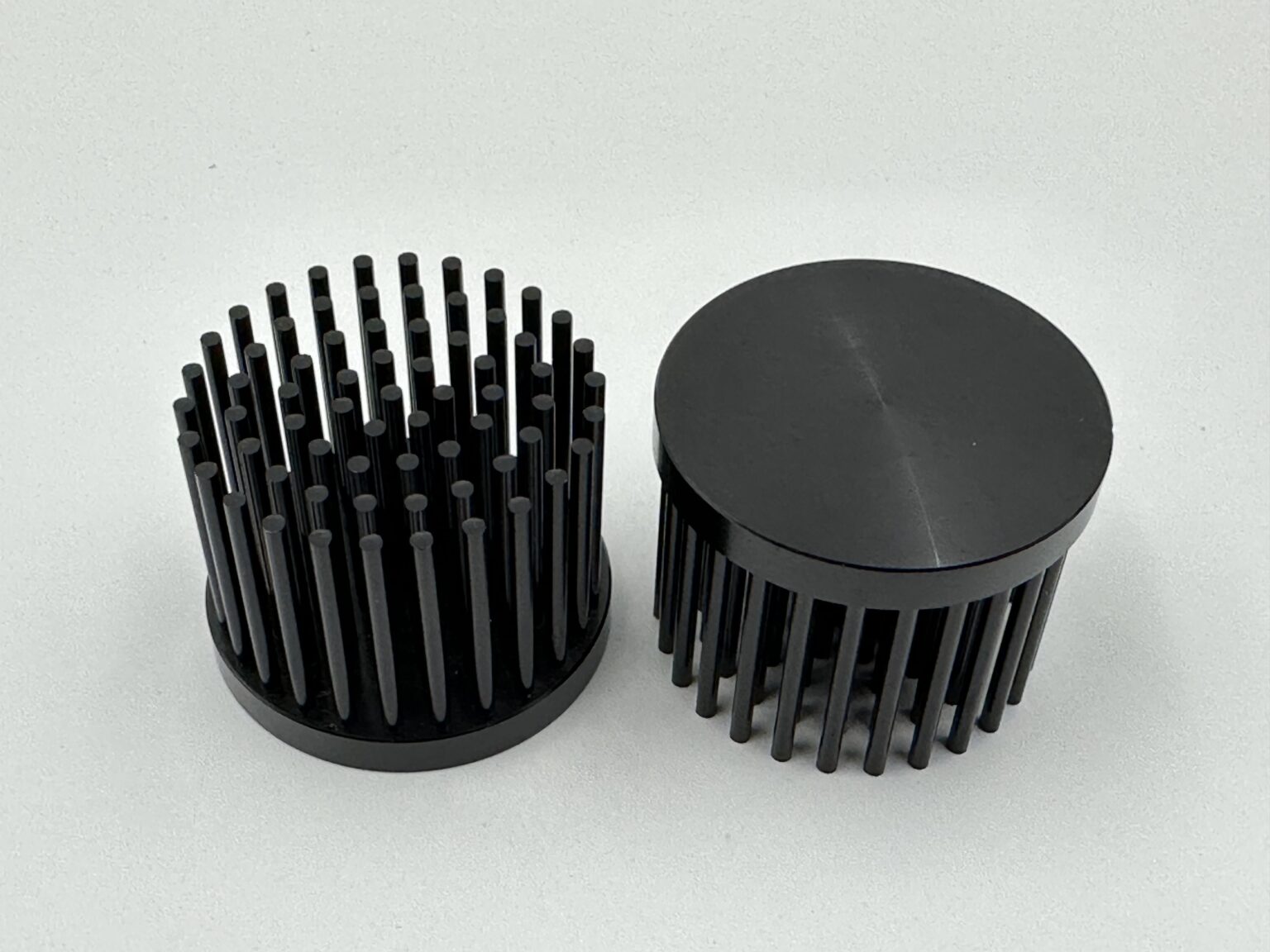
Traditional heat sinks, made from extruded aluminum or copper, often fall short when it comes to dissipating heat effectively. They can be bulky and leave much to be desired in terms of performance. What happens when you need a robust solution that doesn’t compromise your space or efficiency? That’s where cold forging comes into play, offering a sleek, lightweight alternative that can channel heat away more effectively—especially for compact electronic designs.
The Principles Behind Cold Forging
Cold forging, unlike traditional metal working methods, uses pressure to mold metal without heating it to a melting point. This technique allows for a more uniform grain structure, enhancing the thermal conductivity of the heat sink. Look, it’s simpler than you think—higher conductivity means better heat transfer, reducing the risk of overheating and improving the overall efficiency of your device. By utilizing the benefits of cold forged heat sinks, you’re not just opting for a product; you’re making a smart investment in longevity and reliability.
The User Benefits You Can Quantify
When you give cold forged heat sinks a go, you’ll notice some solid benefits. These heat sinks can reduce the temperatures of your devices by 15-20%, which is no small feat! And, with improved airflow and less thermal resistance, you can expect your gadgets to perform better under load. Through careful analysis, it’s clear that the ROI from adopting cold forged technology can make a real difference in case of power efficiency and device longevity.
Conclusion: Key Metrics for Your Next Purchase
Always verify these 3 metrics when choosing cooling solutions: ① Thermal conductivity ② Weight-to-performance ratio ③ Compatibility with your device. With these factors in hand, you’ll be better equipped to choose the right cold forged heat sink for your needs, ensuring that you beat overheating before it becomes a significant issue.
Exploring Forging Heat Sink Options
When you’re on the hunt for reliable cooling solutions, look no further than forging heat sink technology. These products not only manage to keep temperatures down but also enhance the aesthetics of your devices, blending function with style. Crafted through a method that enhances performance, cold forged heat sinks provide a better fit for various applications from gaming PCs to industrial machines. That’s what makes them a top choice among engineers aiming to improve thermal management.
The Benefits of Cold Forged Heat Sinks
In discussing cold forged heat sinks, it’s important to mention their resilience and biocompatibility, which makes them suitable for medical devices and other versatile applications. Their compact design allows manufacturers to save precious space without compromising efficiency, something more traditional cooling solutions can struggle with. Being able to operate in high-demand scenarios without overheating is a game-changer for many industries reliant on tech. It’s all about achieving reliable performance while keeping your components in optimal condition.
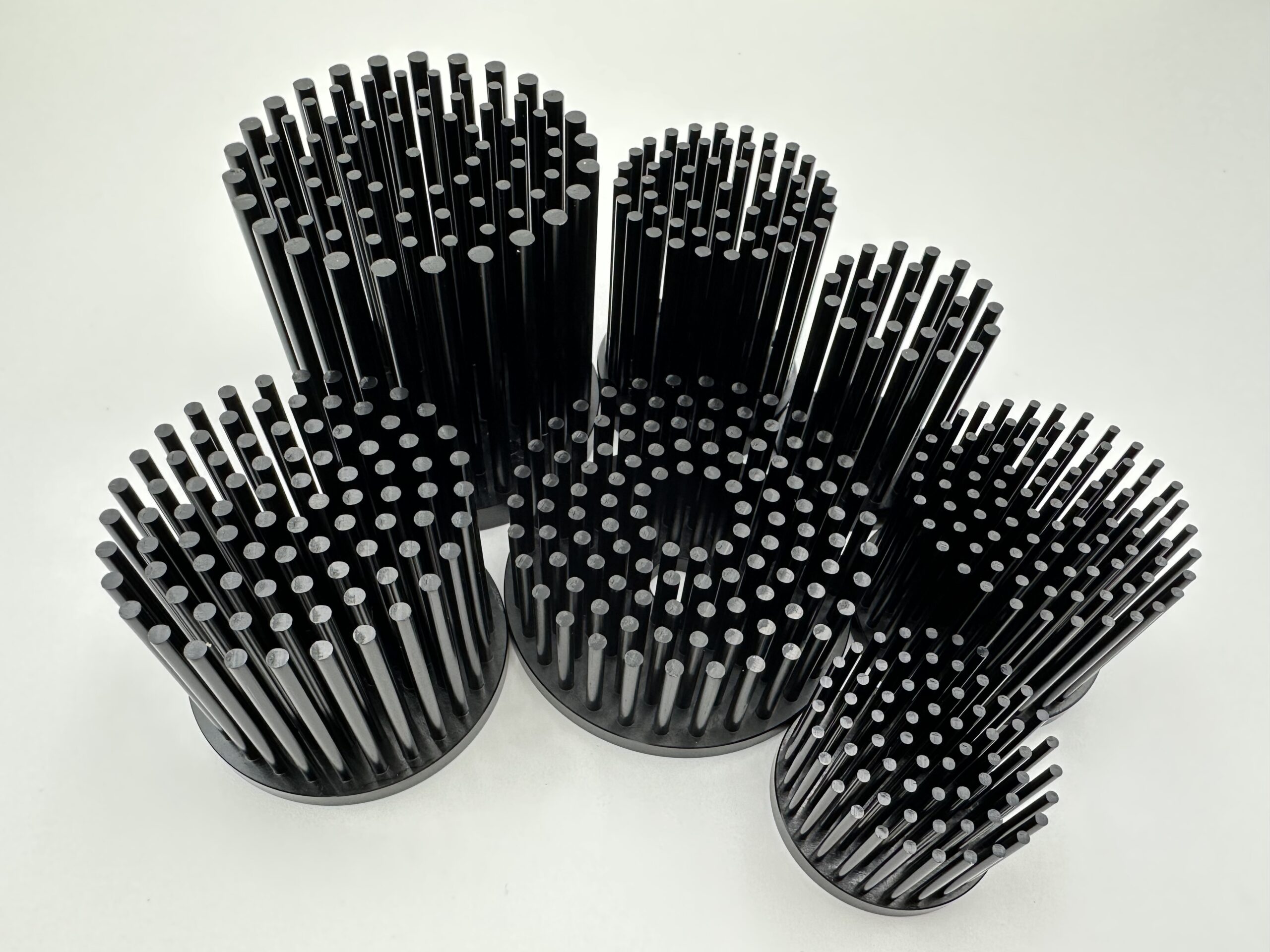
To sum it all up, cold forged heat sinks represent a modern solution to age-old overheating problems, favouring efficiency and compactness. If you’re in the game for a supplier that offers high-quality products along with supply advantages, look no further than Dingmetal. This brand is known for its commitment to quality and innovation in heat sink manufacturing, helping engineers across New Zealand and beyond achieve thermal excellence.