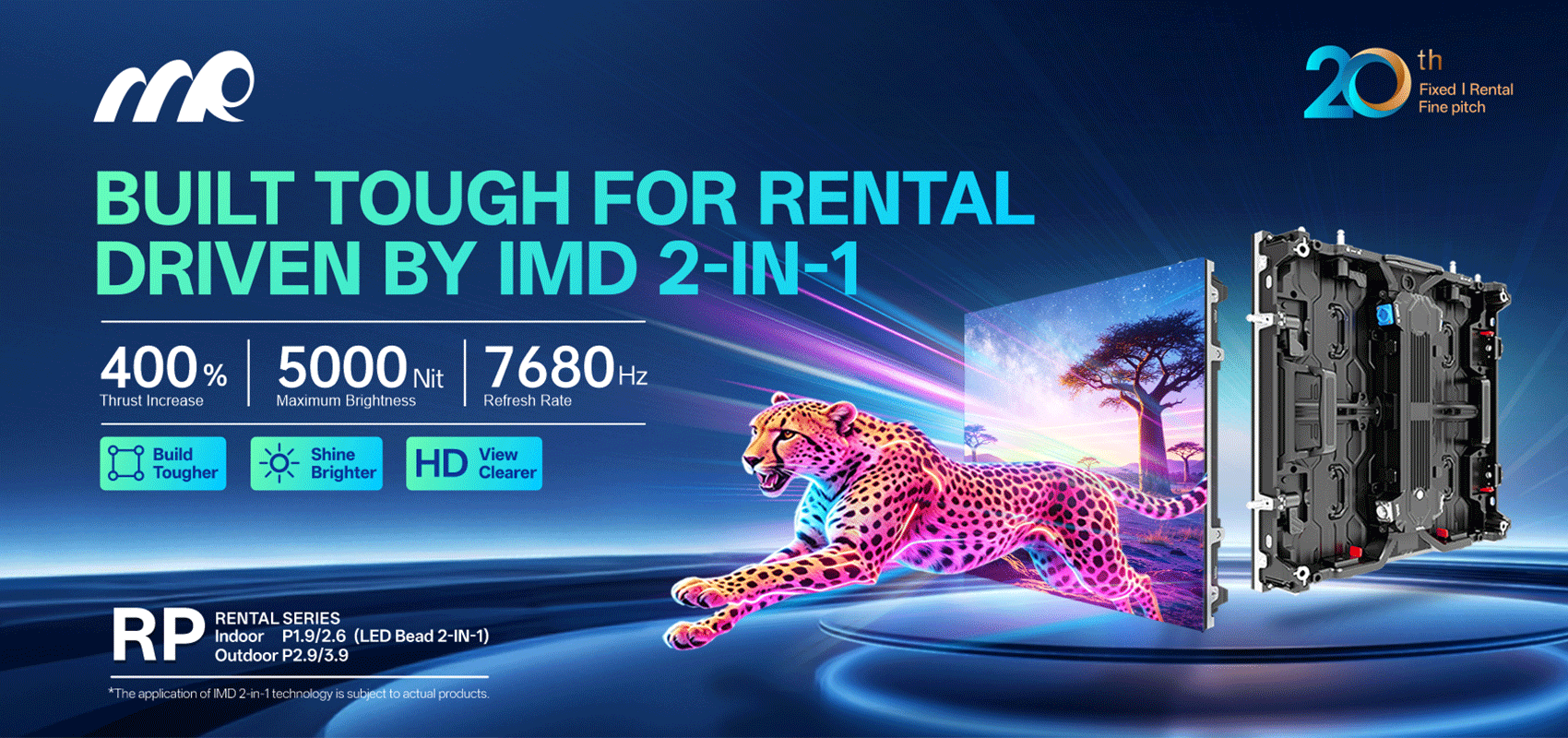
Comparative snapshot
When a project demands both on-site speed and structural integrity, designers face a binary: heavy, overbuilt cabinets that resist wind and vibration, or slim modules that bolt together in minutes. A clear comparative view helps—think of a fixed outdoor display that needs daily cycle changes versus a touring tower that must pack, ship, and reassemble in hours. Each choice changes pixel pitch, cabinet strategy, and rigging demands, and informs whether you prioritize long-term durability or rapid turnover.
Structural trade-offs: materials and load paths
Lightweight aluminum frames reduce dead load and simplify transport; they also concentrate stress at connectors and fasteners. Conversely, steel trusses add mass but flatten load distribution and raise fatigue life. A modular cabinet with robust corner brackets and precision-mounted LED module interfaces reduces tolerance stacking. In practice you balance panel mass (kg/m²), connector shear rating, and the imposed wind load for the intended site—Times Square-style facades tolerate large, permanent mass; pop-up tower installs in urban plazas often demand lighter, serviceable panels.
Fast-assembly logistics: design for people, not just hardware
Speed on site is more than fewer bolts. It’s repeatable ergonomics: lift points on cabinets, one-handed latches, and indexed alignment pins that eliminate shimming. Good modular systems standardize a cabinet-to-cabinet interface so crews work by feel under time pressure. For indoor advertising clients deploying an indoor advertising led display screen, that means fewer touch-ups, consistent color calibration, and a shorter dwell time for maintenance crews. The assembly sequence should read like a mise en place—organized, practiced, predictable—so teams hit the same quality every time.
Performance vs serviceability: what operators miss
High refresh rate panels and tight pixel pitch make content shine, but they can raise cost and weight. Over-optimizing for density without considering access panels, thermal paths, or ingress protection (IP65 and above for many outdoor installs) creates service nightmares. A common mistake: specifying ultra-fine pixel pitch for a roadside tower where viewing distance negates the benefit. Another misstep is neglecting the rigging interface—the rated hook points and certified lifting hardware—so what should be a one-hour swap becomes a full-day engineering fix. Good design inserts maintenance access as a first-class feature, not an afterthought.
Comparative alternatives and real-world anchor
Compare three typical builds: a welded steel frame with integrated trusses for permanent urban installations; a bolted aluminum modular system for semi-permanent advertising; and a tour-grade composite cabinet for entertainment rigs. Each responds differently to transport, wind, and acoustic vibration. Real-world proof exists: large-scale advertising clusters in New York’s Times Square rely on permanent, heavy installations to ensure continuous uptime and visual stability, while festival towers use quick-release systems to hit tight schedules—both achieve reach, but by different engineering compromises.
Common pitfalls and mitigation
Expect misaligned tactile interfaces, hidden thermal bottlenecks, and insufficiently rated fasteners. Mitigation is simple but disciplined: specify indexed alignment pins, plan forced-air or conduction cooling paths, and require certified fasteners with redundancy. Train crews on one standardized assembly flow and document torque values—repeatability beats improvisation every time. Small checks up front prevent large service calls later—save hours on the road.
Three golden metrics for selection
1) Mass-to-strength ratio: kilograms per square meter versus rated wind and dynamic loads—choose a cabinet that keeps mass low while meeting safety factors. 2) Service turnaround time: measured as the time to replace one module or cabinet to full operational status under field conditions—target under 30 minutes for modular towers. 3) Total lifecycle cost: include freight, service labor, and replacement parts over five years rather than just initial purchase price.
These metrics point directly to the practical value MR LED brings: engineered modularity, certified structural interfaces, and service protocols that reduce downtime—so you get fast assembly without sacrificing safety or brightness. —