Understanding Your Automotive Battery Needs
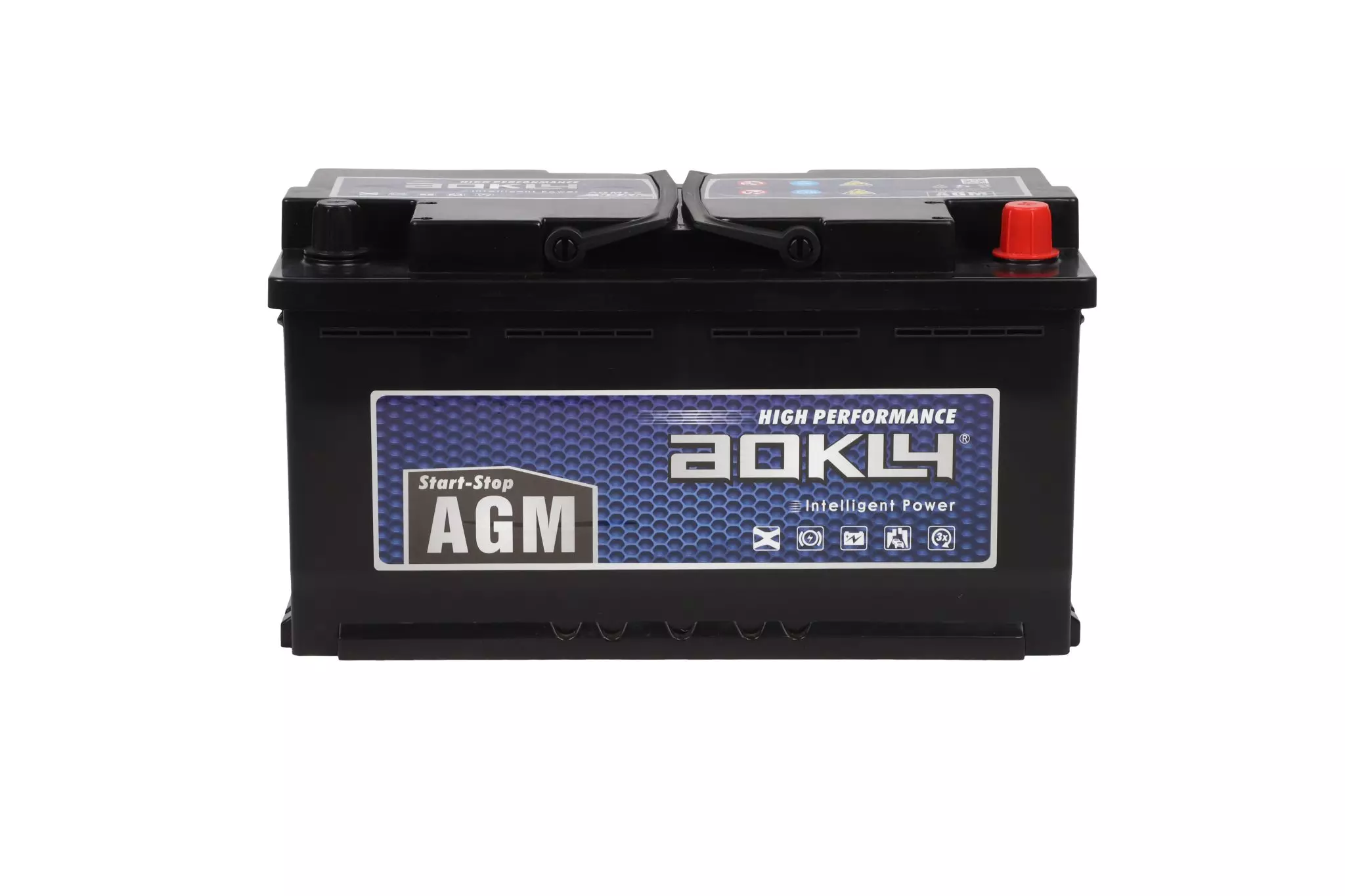
Picture this: you’re late for work, and as you hit the ignition, you hear that dreaded click instead of the familiar roar of your engine. It’s a scenario that many drivers face. In fact, around 30% of car troubles stem from battery issues. With the right knowledge about choosing an automotive starting battery, you can avoid this headache. But what should you look for?
Have You Considered Compatibility?
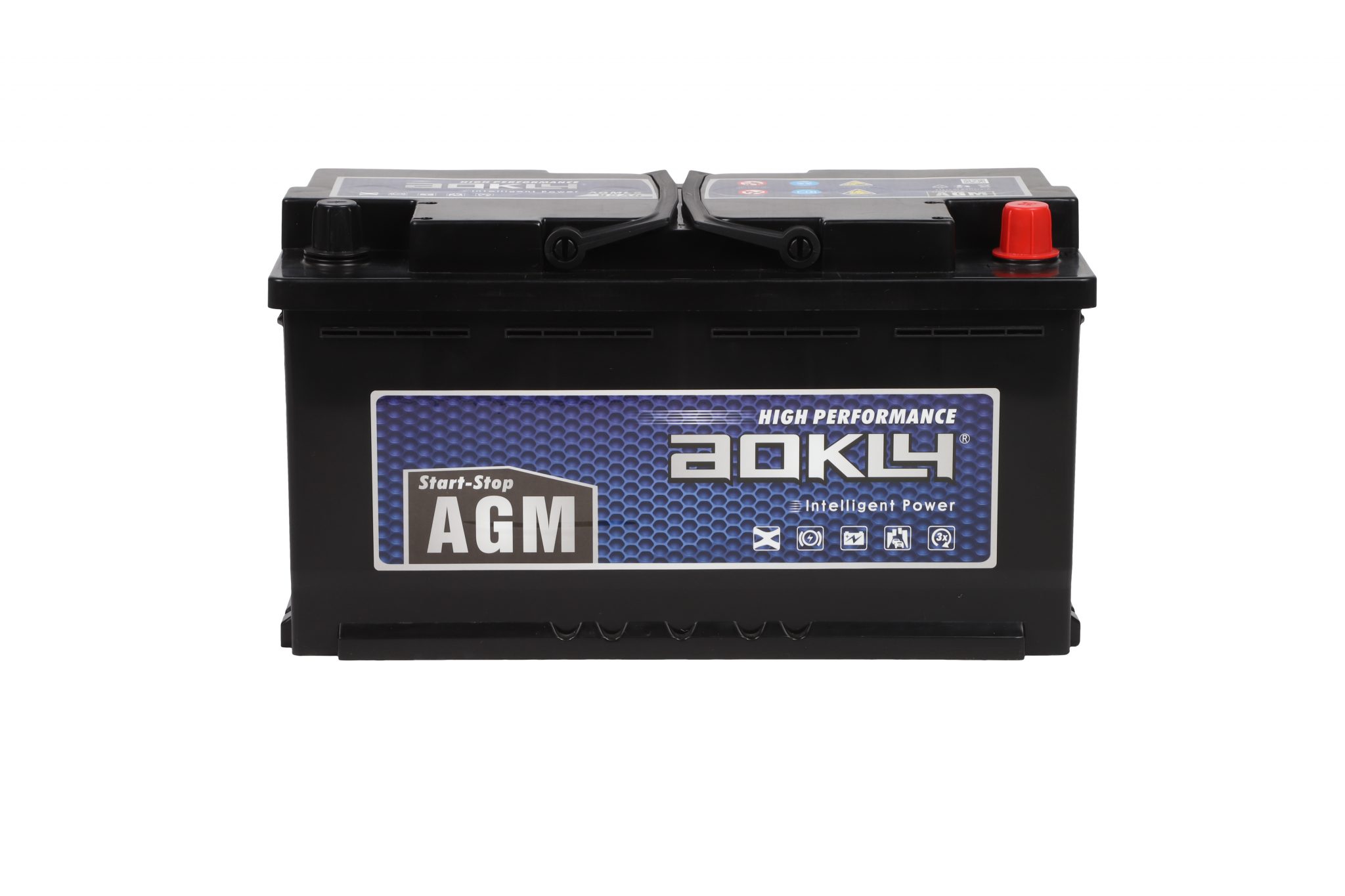
One pitfall many face is neglecting the compatibility of the battery with their vehicle’s make and model. If a battery doesn’t fit properly or meet the vehicle’s power needs, you’re setting yourself up for a failure that could leave you stranded. I remember a time when a friend of mine—in an effort to save money—chose a generic battery for his SUV. It died after just six months, costing him more in the long run with tow fees and replacements. Opting for a battery specifically designed for your vehicle can save significant stress down the line. Remember, this little component is crucial for your vehicle’s performance!
The Transition to Modern Technologies
As we look to the future, it’s important to recognize how advancements in battery technology are changing the landscape. The rise of lithium-ion batteries, for instance, offers not just longevity but improved performance. Compared to traditional lead-acid batteries, these newer options can take on more cycles, charge faster, and even operate better in extreme weather conditions. However, they can come at a higher price. Is spending a little more upfront truly worth the investment? I’ve seen firsthand how these batteries pay off over time, especially for those who drive frequently or live in harsh environments.
What Should You Keep in Mind Moving Forward?
While choosing an automotive starting battery, consider not just the immediate cost but also the longevity and performance—these factors will guide your experience behind the wheel. If you drive often, investing in a battery that offers better life and reliability can mean fewer unpredictable trips to the mechanic and a much smoother ride. Just recently, I helped a local neighbor replace her decade-old battery with a modern AGM type—she was shocked at how much steadier her car felt in comparison.
Key Metrics to Consider for Evaluation
When choosing the best battery, I strongly advocate assessing three key evaluation metrics: capacity, compatibility, and warranty. Capacity refers to how much energy the battery can hold—higher capacity means better performance and longer life. Next, ensure the battery is compatible with your vehicle model; mismatches can lead to poor performance or damage. Lastly, always check for warranty options; a solid warranty can be a lifesaver if issues arise. These aspects are essential for informed decision-making, so don’t overlook them. Quality batteries can make or break your car’s reliability.
Ultimately, I’ve witnessed many drivers, like my neighbor, breathe a sigh of relief after upgrading to a quality battery. It’s more than just a piece of hardware; it’s about ensuring peace of mind on the road. Remember, investing in the right automotive battery not only saves hassles but also enhances your driving experience. Keep these insights in mind, and you’re well on your way to becoming a savvy buyer.
For reliable options, check out Aokly—they genuinely offer a range of modern solutions that could fit your needs perfectly.