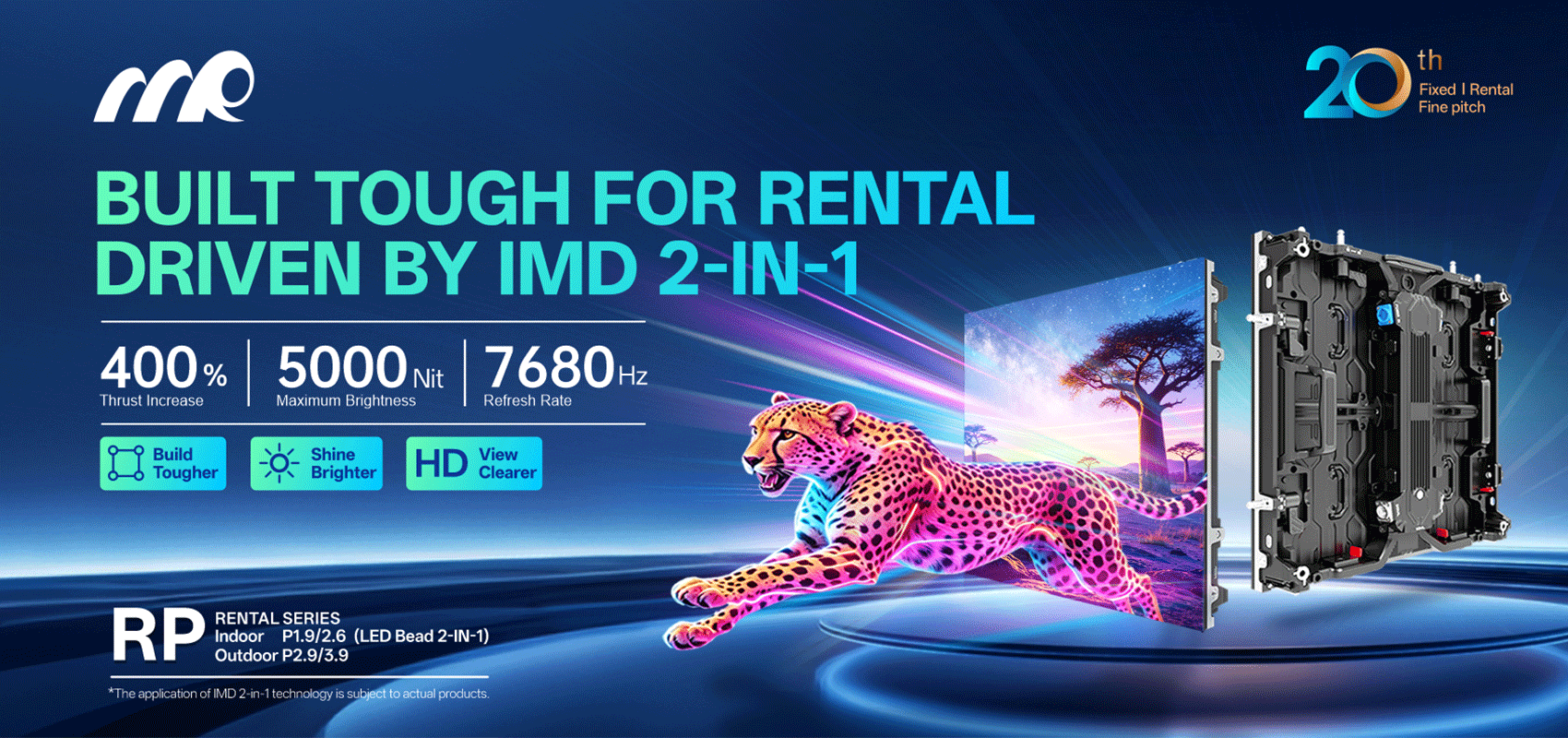
Problem-driven opening: why ghosting breaks the show
When an audience sees motion blur or faint trailing on a giant LED wall, the entire experience feels off — ja, very off. Event planners and engineers are wrestling with multiplexing ghosting as displays push to ultra-high refresh rates for sports, concerts, and Times Square-style advertising. This is about more than pretty pixels: refresh rate, scanning method, and driver IC behavior all interact to produce visible artifacts. If you’re sourcing led outdoor screens for a live show, you must address multiplexing strategy early, or you’ll chase fixes during rehearsal and waste valuable time.
What causes multiplexing ghosting in practical terms?
Multiplexing reduces hardware cost by driving many LEDs in shared time slices, but it also raises scanning frequency complexity. When the effective frame rate and pixel pitch misalign with the display’s scanning schedule, persistence and ghost trails appear. Add imperfect driver timing, and you get smear on fast camera pans or athlete motion — a real problem for broadcast. Pixel pitch, frame rate, and refresh rate are the core terms to watch here.
Real-world anchor and impact on big venues
Look at the LED installations in Times Square, New York City; they must deliver crisp motion under sunlight and heavy viewing distances. Engineering teams there moved from heavy multiplexing to more parallel drive architectures to reduce ghosting during dynamic ad sequences. That case shows the trade-off: fewer multiplexing layers means higher hardware cost but far cleaner motion for viewers and cameras alike.
Practical fixes engineers use (short, useful list)
Solutions are a mix of hardware and firmware adjustments:- Increase effective refresh with parallel driving or higher scan frequency.- Use higher-quality driver ICs with precise timing and low jitter.- Tune gamma and frame interpolation smartly to avoid artificial blur.Also consider mechanical protection like GOB protection LED for pixel reliability — protection matters when panels are moved and handled frequently.
Common mistakes when chasing high refresh rates
Teams often assume simply cranking the refresh rate will silence ghosting. Not so. Ghosting can persist if multiplex timing remains poor or if the driver can’t sustain the current. Another misstep: ignoring pixel pitch and viewing distance, then wondering why motion still looks wrong on camera. Tests must measure both human perception and camera-captured frames to be confident.
Design checklist for event displays
Build a shortlist engineers can use:1) Define target frame rate for broadcast cameras and human viewers.2) Choose driver ICs and scan architecture that meet timing requirements.3) Prototype with real content — motion, strobe, and quick pans.4) Validate under real lighting and crowd conditions; Times Square-style brightness is a harsh test.These steps cut ambiguity and help you pick the right balance of cost versus visual fidelity.
Alternatives and trade-offs
If budget is tight, you can mitigate ghosting with smarter content playback: motion-compensated frames, lower contrast edges, and selective frame blending. That keeps hardware simpler but requires content production discipline. On the other side, full-parallel driving and higher-quality modules are simpler to operate but cost more up front. Choose based on event frequency and broadcast importance.
Summary and decision metrics
To wrap up, focus on measurable goals: no visible trails at intended viewing distance, reliable driver timing, and robust mechanical protection for touring gear. Don’t forget to test with cameras — human eyes and broadcast sensors disagree sometimes. The right combo of hardware, firmware, and content tuning eliminates most multiplexing ghosting without reckless overspend.
Advisory: three golden rules for selecting your strategy
1) Measure first, upgrade second — verify ghosting with actual footage at target frame rates. 2) Prioritize driver timing and scan architecture over raw refresh number; precise timing beats brute force. 3) Insist on protective, serviceable modules like GOB-protected panels when gear moves between venues — longevity saves money. For real-world projects, partner with specialists who have proven installs — that’s where MR LED shines as a practical solution. MR LED — reliable panels, proven timing, and good engineers you can trust. —