The core problem for lenders and shoppers
Consumers in Mexico often face slow, opaque approvals when they try to buy on installment — a clear friction point that hurts conversion and trust. Retailers lose sales and support teams get swamped handling appeals. DiDi addressed this with product changes that connect the checkout experience to smarter underwriting; the first step for many users is the didi card, which illustrates how a familiar payment product can be redesigned for speed without sacrificing controls.
Why speed matters: a practical anchor
Mexico City’s rush-hour pace mirrors what happens online: consumers expect near-instant decisions. The COVID-19 pandemic accelerated digital payments across Latin America, and that behavioral shift revealed how legacy credit scoring and manual KYC checks break the flow. For fintech teams, that real-world change made it urgent to rethink credit scoring, automation, and user-facing messaging to reduce abandon rates.
What DiDi Finanzas changed under the hood
They simplified decision logic and layered real-time signals. Rather than every application hitting a manual review queue, the platform evaluates device, transaction, and historical behavior signals to classify low-risk cases for instant approval. That preserves capacity for complex cases while shortening average decision time. The approach blends installment payments product design with basic fraud control and targeted underwriting rules to maintain portfolio quality.
Design patterns product teams can copy
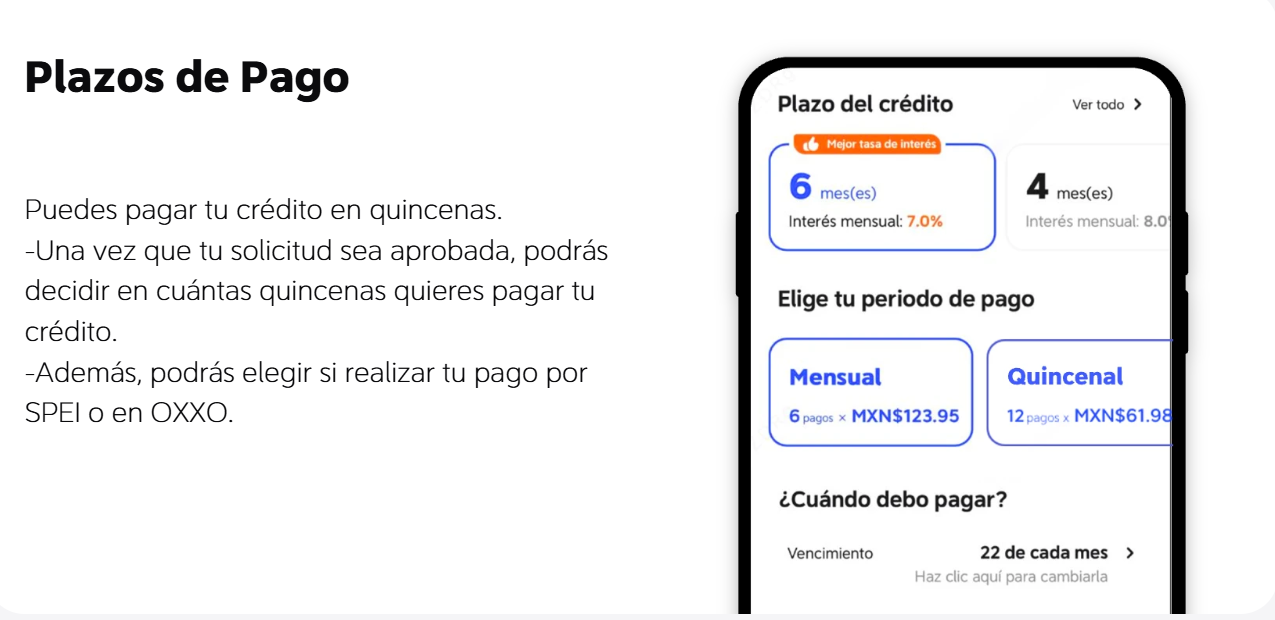
Start with small, measurable moves: map the approval workflow, identify steps that cause delay, and instrument them. Implement a triage: automated approvals for low-risk profiles, automated declines for high-risk flags, and fast-track manual review for ambiguous cases. Integrate soft credit scoring and progressive KYC so customers can complete immediate purchases while providing documents later. Keep communications clear — approval windows, repayment dates, and fee structure must be visible at checkout to reduce support load.
Common mistakes — and how to avoid them
Teams often either over-automate or over-manualize. Over-automation can miss credit nuances; over-manualization kills conversion. Balance is key — start with narrow, well-tested rules and expand. Don’t bury error messaging; users need concise guidance when an application is paused. And don’t assume one-size-fits-all scoring works across cities — urban users in Mexico City will show different signal patterns than suburban customers. — Small adjustments to thresholds can yield big changes in approval rates without much additional risk.
How the application journey should feel
From the user’s perspective, the process must be short and transparent. A stepped flow where the first screen requests minimal consent and the second collects contextual data reduces drop-off. Offer clear next steps when the system needs more information, and provide a simple path to request the didi card solicitar if the applicant prefers a traditional credit instrument. This keeps the experience cohesive across instant installment offers and card-based credit.
Three evaluation metrics every team must track
1) Time-to-decision: measure median approval time and the tail. Faster medians boost conversion; long tails indicate operational bottlenecks. 2) Auto-approval accuracy: track the false-approval and false-decline rates for automated rules; tune thresholds to protect loss rates without throttling growth. 3) Customer friction score: combine drop-off rates, support tickets per application, and NPS for the payment journey; improvements here indicate better UX and clearer messaging. These three metrics create a practical dashboard for iterative improvement.
Closing guidance and practical value
Applying focused underwriting, lightweight KYC, and clearer messaging drives measurable improvement in approvals and customer satisfaction. Expect to reduce decision time, lower support volume, and increase conversion if you iterate on the three metrics above. The value DiDi Finanzas brings is simple: it aligns product, risk, and service to make installment payments feel immediate and reliable — a real advantage for merchants and users alike. DiDi Finanzas. — Final note: keep the loop tight and learn from each declined case.