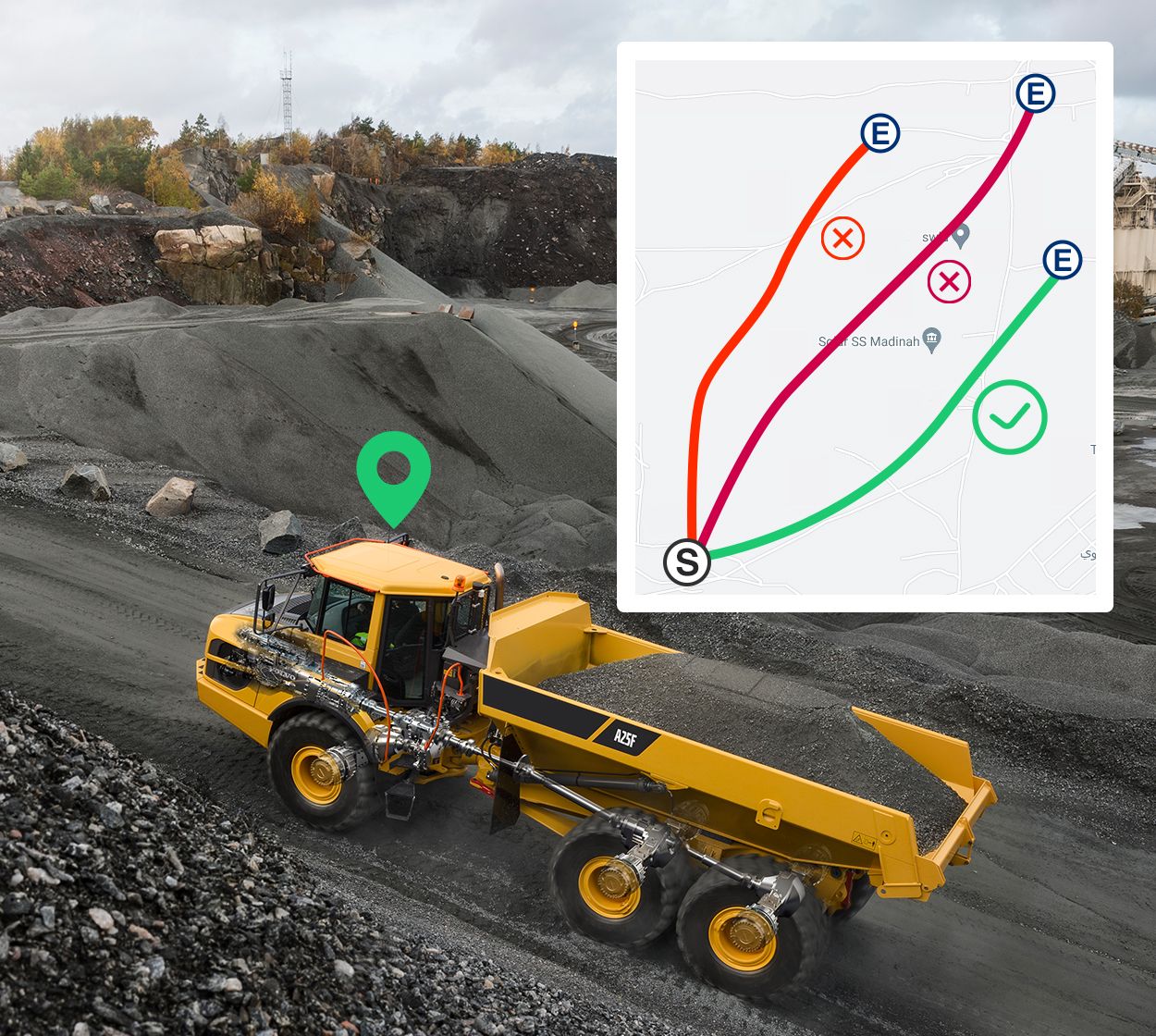
Diagnose the last‑mile mess
Vans keep missing windows, drivers circle neighbourhoods, parcels pile up at the depot — that’s the problem, plain. Big fleets break things down differently: they measure uptime, track loads, and force decisions with hard signals. Borrowing from proven mining fleet management practices fixes visibility and reliability problems you already know. A reliable mining vehicle tracking system routinely handles extreme conditions; workers in Pilbara, Western Australia expect those systems to run 24/7 under dust and heat, so the tech is built for grit, not just neat dashboards.

Which mining fleet habits matter for vans
Mining fleets are strict because mistakes cost millions. For vans, adopt the same discipline:- Continuous location plus vehicle-state telemetry, not just “ping when stopped”.- Geofences tied to confirmed delivery events, not driver notes.- Predictive maintenance from CAN-bus data, so a tyre or alternator alarm arrives before a breakdown.- Tight integration between dispatch, routing, and the driver interface so everyone sees the same truth.Do these, and the mystery of “where is my van” becomes a short, solvable ticket rather than an ongoing headache.
Actionable steps a van operator can take today
Start with low-friction changes that yield clear impact:1) Install robust telematics that read location and vehicle health. Prioritise stable GNSS and CAN-bus reads over fancy analytics you won’t use.2) Configure three geofence types: depot, delivery cluster, and high-delay zones. Trigger instant exception alerts for missed gate-ins.3) Give drivers one concise screen: next stop, load count, and a single button to confirm delivery. Train for two short sessions; repeat the basics.4) Feed telemetry into route planning so routes adapt to active traffic and vehicle constraints, not yesterday’s averages.These steps reduce idle time, repeat routes, and surprise maintenance. They’re practical, not theoretical.
Common pitfalls and how to avoid them
Operators often fail because they chase the wrong things. Watch out:- Data overload: collecting every possible metric makes decisions slower. Pick 6 KPIs and stick to them.- Poor integration: a telematics feed that doesn’t talk to planning tools creates manual handoffs. Use APIs or middleware.- Driver resistance: rollouts that ignore driver workflow get ignored. Pilot with a small crew and fix annoyances fast.- False precision: avoid “perfect ETA” promises. Use ranges and confidence levels so alerts remain trustworthy.Fix those, and the system becomes a working tool, not a costly shelf ornament.
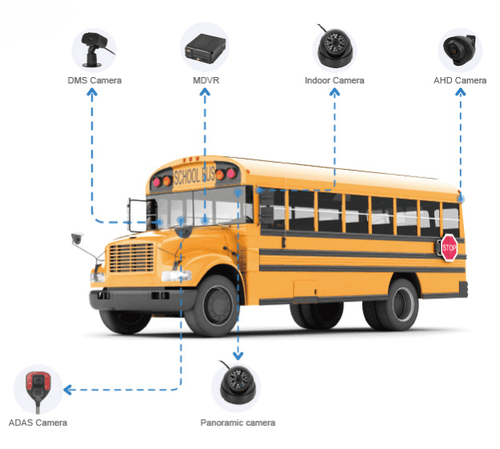
Final synthesis
Last‑mile vans need discipline, clear signals, and systems made for tough conditions. Apply mining fleet standards — strict telemetry, actionable alerts, and short operator workflows — and vans stop being guesswork. The result is predictable service and fewer emergency repairs, which is exactly the kind of outcome teams who manage heavy vehicle fleets expect from technology like BSJ.