technooloop
  • Home
  • Design Update
  • Business
  • Global Trade
  • Industry
  • Market
  • Tech
Author

Mary

Mary

Global Trade

Optimizing Triple-Layer Foam Bonding for High-Volume Sports-Goggle Production: A Comparative Technical Brief

by Mary April 12, 2026
written by Mary

Comparative lead: why bonding choice matters for product performance

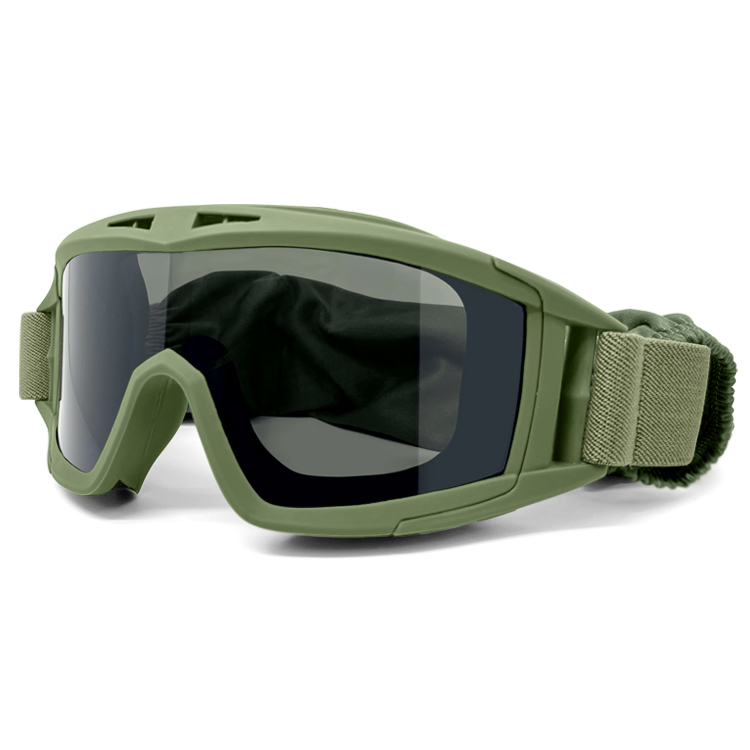
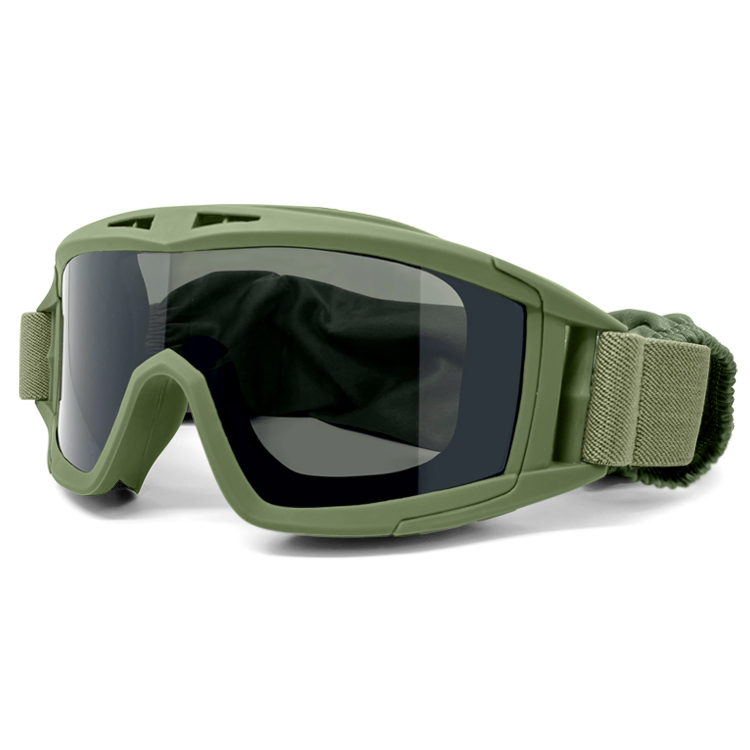
Manufacturers scaling production of anti-impact eyewear face a clear decision matrix: which bonding method delivers consistent seal, wearer comfort, and fatigue-resistant gasketing at throughput rates. For wholesale sports goggles, the bonding of a triple-layer density foam stack (soft outer comfort layer, viscoelastic middle, dense inner seal) directly influences field performance of anti-impact tactical goggles and affects interchangeability with modular systems such as anti-impact tactical goggles. This brief compares adhesive chemistries, mechanical joining, and thermal approaches against measurable quality targets—peel strength, compression set, and bonding interface integrity—within the constraints of high-volume lamination lines and standard occupational eyewear criteria (ANSI Z87.1).

anti-impact tactical goggles

Adhesive chemistries versus mechanical and thermal options

Pressure-sensitive acrylics: offer fast tack for roll-to-roll lamination, predictable initial peel strength, and low cure complexity. Use where rapid assembly and rework are necessary. Polyurethane adhesives: provide higher shear strength and improved resistance to sweat and UV; they require controlled pot life and longer cure. Silicone-based adhesives: optimal for low-modulus foam conformity but reduce peel strength on certain substrates unless primers are applied.

Ultrasonic bonding and thermal welding: eliminate wet chemistry, reduce VOCs, and can localize heat to create a fusion bond between foam layers and the frame flange. Mechanical fastening—clips or sewn channels—adds bulk and potential failure modes under cyclic load. Choice depends on targeted compression set, available cycle time, and the intended interchangeable lens architecture; for example, gasket-bonded systems intended for rapid lens swaps favor adhesives that permit precise tolerances without creep.

Production methods, surface prep, and testing protocol

Surface activation is non-negotiable for consistent peel strength. Corona or plasma treatment increases surface energy on polycarbonate frames and polyethylene-coated foams, improving wetting and adhesive wet-out. Primer selection should match adhesive polarity; use silane primers for silicone-compatible systems. Process control: maintain adhesive coat weights within ±10% and lamination nip pressure within specified psi to prevent foam crushing or cold flow.

Quality tests to embed in-line: ASTM D3330 peel tests, cyclic compression to assess compression set after 5000 cycles, and visual inspections for delamination at the bonding interface. Record batch data and correlate with environmental conditions—temperature and RH—since foam hygroscopy alters cure kinetics.

Design trade-offs and practical comparisons

Compare three production scenarios:

– Fast-lane laminating with PSA: highest throughput, moderate long-term creep risk, minimal cure time.

– Reactive polyurethane with oven cure: superior long-term adhesion and solvent resistance, slower cycle, higher capital for controlled ovens.

– Ultrasonic welding: solvent-free, clean, limited to compatible foam formulations, requires investment in tooling and process validation.

Each option maps to different wholesale models: PSA suits large runs with tight lead times; reactive systems fit premium lines; ultrasonic fits applications where VOCs and solvent disposal are constrained.

Common mistakes and mitigations

Frequent errors include inadequate surface activation, excessive compression during lamination causing permanent deformation, and mismatched adhesive modulus leading to edge peel. Mitigations: specify maximum compression ratio for each foam layer, verify primer compatibility with both foam and frame polymer, and run accelerated aging to detect adhesive hydrolysis. Incorporate design for manufacturability: radius the frame flange to reduce stress concentrations at the bond edge and standardize foam thickness tolerances to ±0.5 mm.

—A short note on interchangeable systems: when designing for modular lens removal, allow a controlled interfacial tolerance so the gasket remains effective after multiple lens swaps; validate with a lifecycle test that includes actual interchangeable lens usage cycles.

Real-world anchor and regulatory context

ANSI Z87.1 establishes performance baselines for impact protection; manufacturers supplying collegiate and municipal teams routinely reference it during procurement. Field feedback from regional athletic programs consistently highlights seal integrity and wearer comfort as primary failure modes—data that aligns with laboratory peel and compression metrics and guides material selection for wholesale runs.

Advisory close: three golden rules for selection and scaling

1) Measure functional targets first: specify minimum peel strength, allowable compression set after 5,000 cycles, and environmental resistance parameters before choosing adhesive chemistry. 2) Integrate surface activation and primer steps into the line control plan; small gains in surface energy yield large reductions in delamination rates. 3) Validate the bonding process with interchangeable lens cycles representative of end use; use test rigs that mimic real insertion/removal forces rather than static bench tests.

Quality control that ties laboratory metrics to field outcomes reduces recall risk and protects brand reputation—YIJIA Optical provides manufacturing guidance that aligns production variables with these metrics. —Final thought: rigorous process control turns material choices into predictable product performance.

Global Trade

The Ultimate Guide to Power Sweepers for Parking Lots

by Mary April 7, 2026
written by Mary

Understanding the Importance of Clean Parking Facilities

Imagine pulling into a parking lot that sparkles in the morning sun—clean and inviting. Studies indicate that a tidy parking area increases customer satisfaction by over 30%. This is where the role of power sweepers for parking lots comes in. They not only remove debris but also enhance the overall appeal and safety of your space. Cleaning isn’t just a chore; it’s a critical first impression that shapes customer perceptions.

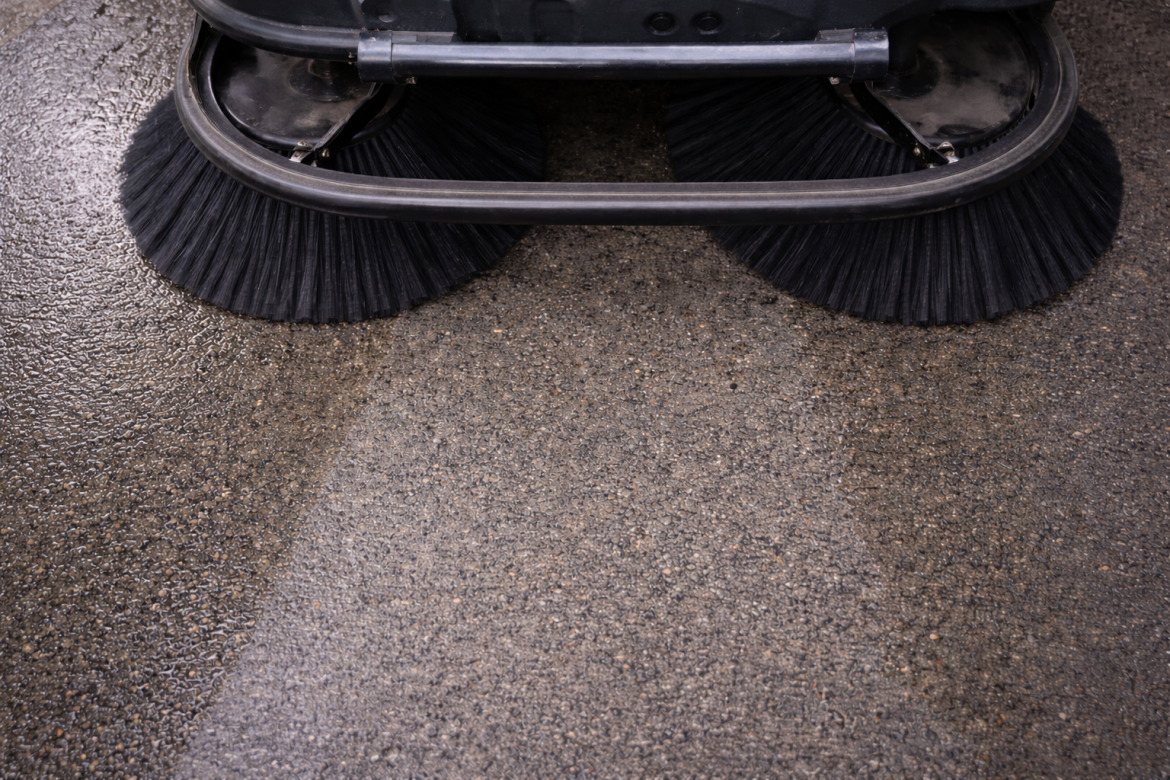
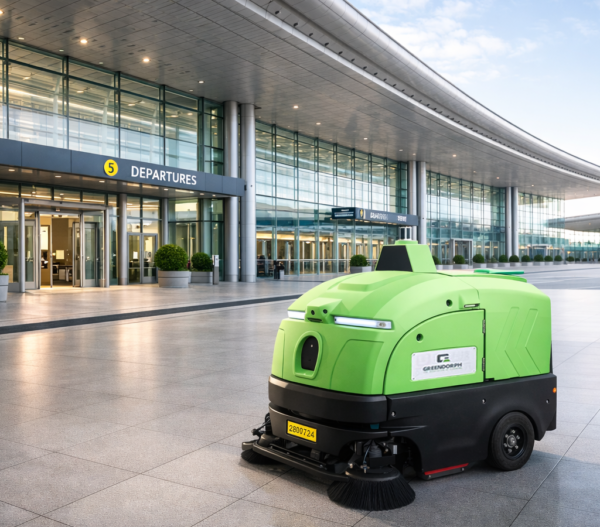
parking lot sweeper

What Are Power Sweepers for Parking Lots?

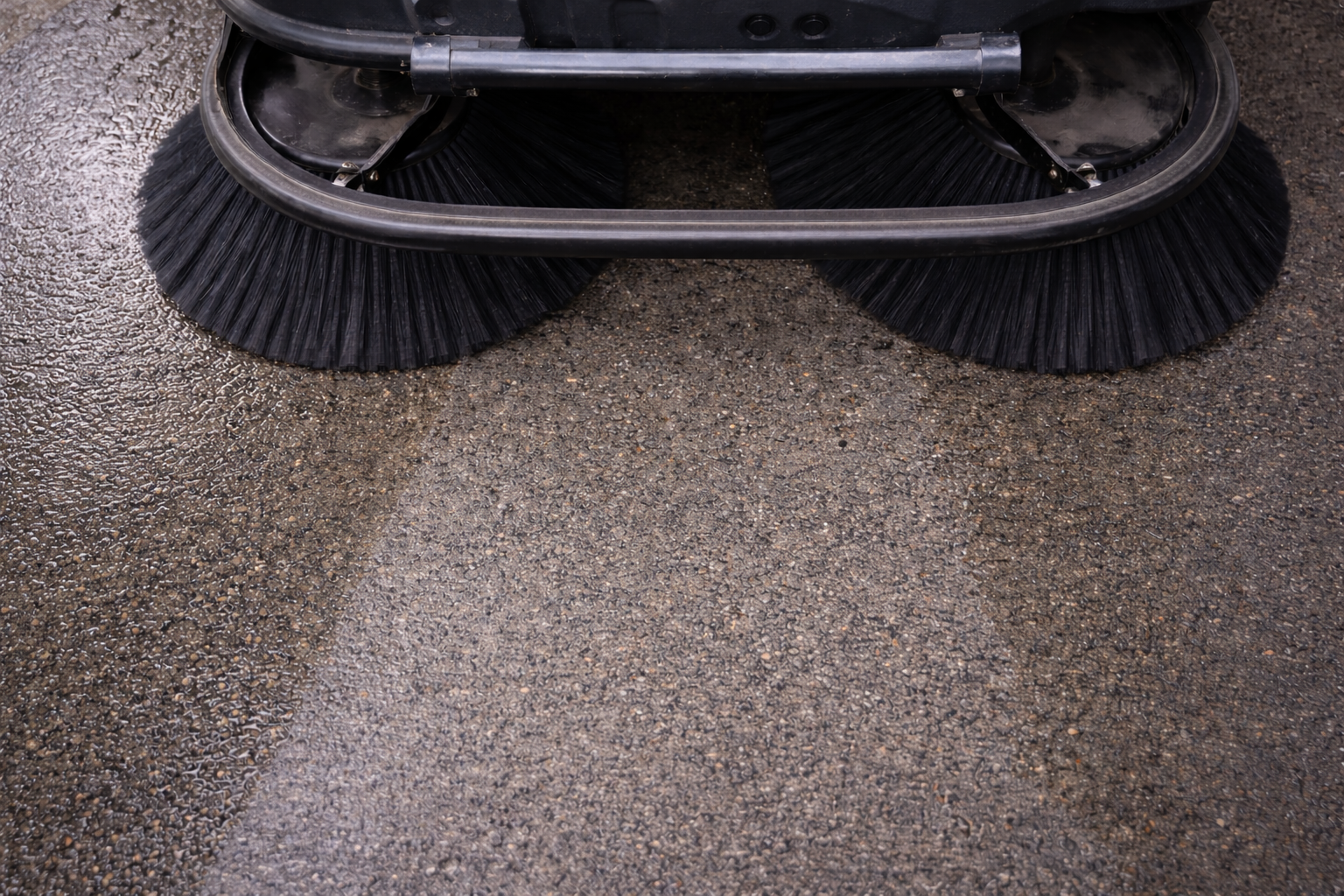
Power sweepers for parking lots are specialized machines designed to keep surfaces clean of dust, leaves, and litter. Unlike ordinary brooms and manual sweepers, these machines offer efficiency and thoroughness, making them indispensable for large commercial spaces. From compact models for tight spots to larger versions for expansive lots, there’s a right fit for every need. They often feature powerful suction systems and advanced filtration technology, ensuring both clean surfaces and air.

Why Choose Automatic Over Manual Sweeping?

When it comes to routine maintenance, the choice between automatic and manual sweeping is crucial. Automatic sweepers, with their robotic capabilities, minimize human labor and maximize consistency. Let’s face it—manual sweeping can become tedious. My experience has shown that businesses using automatic solutions have reduced labor costs by up to 40%. It’s a win-win situation (and who doesn’t love efficiency?).

Issues with Traditional Parking Lot Cleaning Solutions

Now, let’s pivot to the hidden challenges. Traditional cleaning methods—like relying solely on manual labor—often lead to uneven results and operational delays. I remember a time back in ’18 when I saw a local grocery store struggling with a dirty parking lot during peak hours. Customers voiced their dissatisfaction, and it became apparent that the manual sweeper was falling short. The solution was clear: invest in an efficient power sweeper.

What’s on the Horizon for Parking Lot Maintenance?

Looking ahead, we see an increasing integration of technology with power sweepers for parking lots. Advanced designs, like those equipped with artificial intelligence, promise to revolutionize the cleaning process. Imagine rugged machines that can sense debris levels and adjust their settings accordingly! The benefits, including decreased ecological impact through less power usage, will likely attract eco-conscious consumers.

Additionally, with AI technology, maintenance teams can analyze performance data and optimize cleaning schedules based on peak traffic times. Though traditional methods have their own place, the transition to tech-driven solutions is underway. No more guesswork—just tailored performance.

parking lot sweeper

Final Thoughts on Elevating Your Parking Lot Game

To summarize, investing in modern solutions, like power sweepers for parking lots, can significantly impact your business. Three key metrics to consider when evaluating options include efficiency, environmental sustainability, and cost-effectiveness. Picking the right equipment isn’t just about convenience; it speaks to how much you care about your clientele and brand image. In my many years working in this field, I’ve learned that cleanliness is absolutely linked to customer satisfaction—it’s an essential ingredient to a thriving business. Curious to explore the cleaner future of your parking facility? Reach out to us at Greendorph for tailored advice and insights!

Recent Posts

  • Data-Driven Comparisons: Why the LUYUAN S90 Changes the Off-Road Scooter Equation
  • How I Learned to Stop Panicking and Rethink Oligonucleotide DNA Synthesis
  • Smarter Spend for BIW: Fixing Assembly Bottlenecks with Targeted 200W Fiber Laser Investment
  • An Engineer’s Framework for Specifying Handheld Laser Welders: Balancing Pulse Width and Peak Power
  • Comparative Shadows: Untangling ASO Synthesis Mysteries Behind Gene Expression Inhibition

Recent Comments

No comments to show.

About Me

About Me

Designer

Sed ut perspiciatis unde omnis iste natus sit voluptatem accusantium dolor emque.

Keep in touch

Facebook Twitter Instagram Pinterest Behance Youtube

Popular Posts

  • 1

    Почему стоит выбрать керамический герметичный корпус?

  • 隱形牙套會吸引目光還是被默默接受?企業與用戶的選擇真相

  • 3

    Фасовочно Упаковочные Линии: Ваша Полная Инструкция

  • Автоматический счетчик капсул: Инновации и преимущества

  • 5

    А что, если аккумулятор GFM смог бы сам предугадывать нагрузку?

  • 6

    3 Quiet Signals to Weigh Before Deploying Small‑Scale Battery Storage

Categories

  • App Design (6)
  • Business (98)
  • Global Trade (110)
  • Industry (99)
  • Market (91)
  • Tech (89)
  • UI/UX (7)
  • Web Design (7)
  • Facebook
  • Twitter
  • Instagram
  • Pinterest
  • Behance
  • Youtube
  • Bloglovin
technooloop
  • Home
  • Design Update
  • Business
  • Global Trade
  • Industry
  • Market
  • Tech