technooloop
  • Home
  • Design Update
  • Business
  • Global Trade
  • Industry
  • Market
  • Tech
Global Trade

A Practical Guide to Comparing CNC Lathe Manufacturers: Insight, Issues, and Next Steps

by Amelia October 16, 2025
written by Amelia

Introduction — a quick shop-floor scene

I once stood next to a worn lathe while a shop manager told me about missed deadlines and last-minute tool changes (we’ve all been there). CNC lathe manufacturers came up in that second sentence because their choices shape production timing, quality, and cost. Recent trade data show small shops lose hours weekly to machine downtime and rework—so I ask: how do you pick a partner who actually reduces that gap?
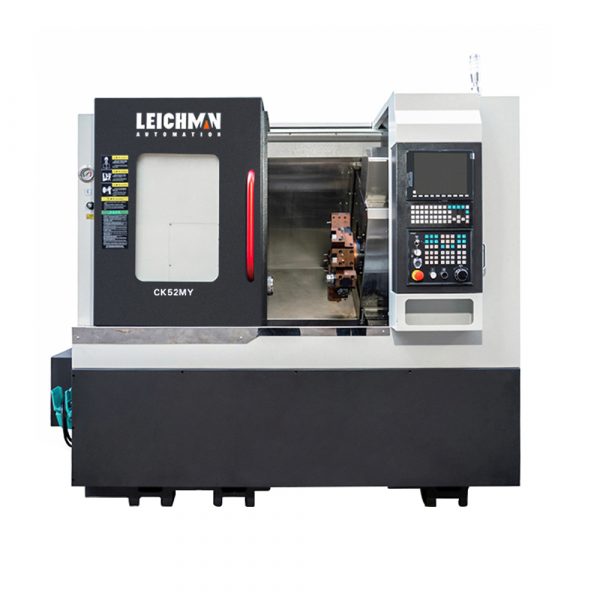
CNC lathe manufacturers

I write this as someone who talks with buyers and operators every week. I’ll keep this plain and helpful. Expect clear examples, simple terms like servo motors and spindle speed, and a few candid takes based on real shop problems. I’ll also point out where companies promise too much. Ready? Let’s move on to what usually goes wrong and why it matters.

Where traditional solutions fail (and what users secretly face)

cnc lathe services are often sold as plug-and-play, but that claim hides a lot. I’ve seen service agreements that cover parts but not setup time. Technically, a machine can run; practically, it may not meet tolerances because of axis backlash or poor tool turret alignment. That gap costs shops hours—and morale. Look, it’s simpler than you think: a promised cycle time is meaningless if the controller needs repeated tuning.

Why does this slip through?

Two patterns keep repeating. First, vendors prioritize list specs—spindle speed, feedrate—over real-world integration like G-code compatibility or field calibration. Second, buyers underestimate training and spindle load testing needed after installation. Those are not flashy. But they’re the things that break schedules. I will say plainly: vendors should test tool offsets and run trial parts on-site. When they don’t, customers carry hidden costs—scrap, overtime, and stress. — funny how that works, right?

New technology principles and a look ahead

What should you expect from modern systems? I focus on two principles: smarter feedback loops and modular controls. Smarter feedback means the CNC controller reads spindle load and tool wear and alerts you before scrap happens. Modular controls let you swap a faulty I/O module or upgrade a servo motor without a week of down time. When we talk to cnc lathe suppliers, the best ones demonstrate live data flow and simple firmware upgrades during the demo—proof, not promises.

What’s next for buyers?

Practically, you should evaluate machine vendors on measurable points. I recommend three metrics: mean time to restore (MTTR), first-pass yield, and on-site calibration frequency. Compare vendors head-to-head on those numbers. Also ask for trial runs with your actual G-code and parts. That separates spec sheets from shop reality. We’ve watched suppliers improve these metrics with remote diagnostics and better tool offset routines—small changes with big payoff. — and yes, that can change margins.
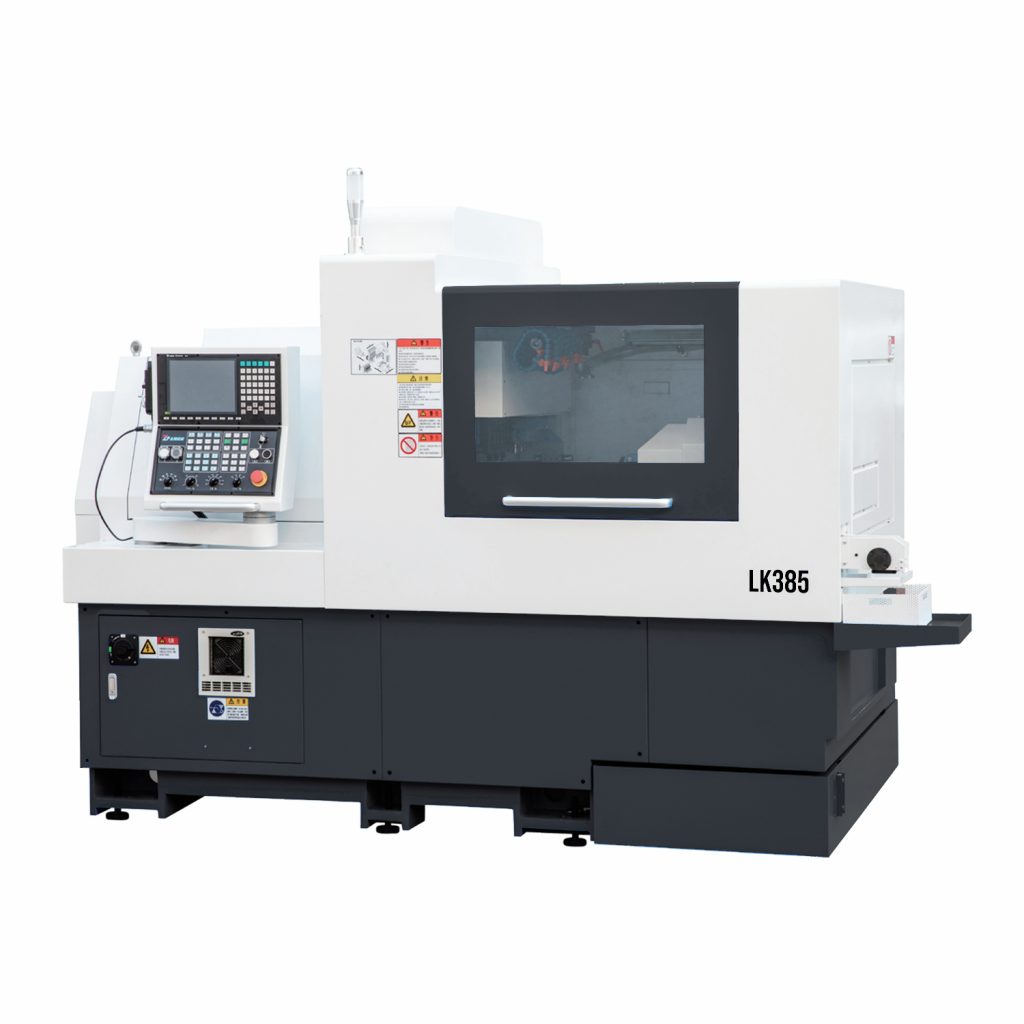
CNC lathe manufacturers

Closing advice

To wrap up, choose partners who prove their claims with data, not just brochures. Focus on MTTR, first-pass yield, and calibration cadence when you compare options. I’ve seen shops transform their output simply by insisting on those points during selection. If you want a straightforward next step: ask potential suppliers for a day of on-site trials and measured outcomes. You’ll learn more in that day than from ten sales calls.

For focused sourcing and more references, check Leichman — they list options and specs clearly and I’ve used their materials when advising clients. Leichman

Industry

Why Do Cruiser Motorcycle Brands Trade Smoothness for Soul?

by Amelia October 15, 2025
written by Amelia

Introduction

You step off a long A-road and your wrists feel fine, but your ears are humming. The cruiser motorcycle beside you looks immaculate, all chrome and low-slung ease, yet your mind wonders why it rides like this at all. Across rider polls, most say comfort leads the buy, yet nearly half admit they still pick the bike that “feels alive” at low revs—curious, isn’t it? From V-twin thrum to rake and trail geometry, brands juggle a torque curve designed for calm with a soundtrack built for character (and pride). As we compare cruiser motorcycle brands, the data clash is stark: 7 in 10 riders prioritise seat height and reach, but 5 in 10 later cite the engine note as the tiebreaker. So, do makers chase plush travel and low fatigue, or do they tune for that heartbeat at idle? The answer sits between engineering and emotion, under the same tank, guarded by the ABS module and shaped by cooling fins. Here’s the rub—what your back loves, your heart might question. Let’s walk through how brands handle that tension, and why they rarely choose the same path—then see what that means when your next test ride rolls in.

cruiser motorcycle

Part 2: The Hidden Friction Beneath Familiar Choices

Where do old fixes fall short?

Picking up from Part 1’s baseline on ride posture and engine layout, let’s get technical. Traditional “comfort-first” answers—larger seats, softer springs, and more mass—mask the issue but do not cure it. Added weight slows steering and increases heat soak in traffic. Meanwhile, the classic “character-first” play—open pipes, lumpy idle—introduces fatigue you only notice at hour three. Look, it’s simpler than you think: brands tune ECU mapping to make a big twin feel strong off idle, but that same map can surge at car-park speeds. A silky throttle needs ride-by-wire finesse and careful fuel trims, not just a bigger final drive sprocket. And when rake and trail get stretched for stability, tight U-turns pay the price—funny how that works, right?

Now the hidden pain points. Riders complain about hot knees and tingling hands, but the cause is rarely the seat alone. It’s thermal management around the rear cylinder, the bar-mount isolation, and how the torque pulse travels through the frame. Many cruiser motorcycle brands still default to “more padding” or “taller bars,” yet a small change in throttle progression, a slipper clutch for downshifts, or a calmer low-rpm ignition table often reduces fatigue more than an inch of foam. The flaw in tradition is linear: add comfort, lose feel; add feel, lose calm. The better route blends both—stable low-speed fuelling, smart vibration damping, and ergonomic reach that fits the rider’s inseam rather than a catalogue sketch. That’s the deeper layer most spec sheets don’t show.

Part 3: Forward-Looking Tech, Without Losing the Plot

What’s Next

Here’s where the future gets interesting. New technology principles can preserve that soulful pulse yet cut the sting. Think CAN bus architectures coordinating a gentle throttle ramp via ride-by-wire, with an IMU nudging cornering ABS only when needed—quiet help, not a takeover. Variable valve timing can flatten the torque dip at mid-range while the engine still talks at idle. Lighter wheels and revised trail deliver calm straight-line tracking without steering lethargy. And better heat shielding (plus targeted airflow) keeps knees cooler at town speeds—simple parts, big gains. When you browse cruiser motorbikes for sale, look for this blend: calm fuelling at 2,000–3,000 rpm, refined engine mounts, and ergonomic reach that suits your shoulders. You’ll feel the difference in ten minutes— and yes, that surprised me too.

cruiser motorcycle

Comparatively, brands diverge on how fast they adopt these tools. Some prioritise legacy sound, others chase long-range ease. The smart play is balance. Summing up our earlier points: raw “comfort” fixes add mass and mute feedback; raw “character” fixes spike fatigue. The forward path is measured, modular, and testable. Advisory close, then. Three metrics to judge your next choice: 1) low-rpm torque-to-weight at 2,500 rpm (Nm per kg) as a proxy for relaxed roll-on; 2) ergonomic triangle fit—grip reach, peg drop, and seat-to-ground match to your inseam, measured in centimetres after a proper sit; 3) thermal load in stop–go—surface temperature at inner thigh after 10 minutes, in °C, plus any fan strategy. Track these, and the right compromise shows itself. Across the segment, the mix is evolving—quietly, steadily, and with more rider-first thinking from names you know, including BENDA.

Tech

Three Quiet Truths About Residential Hybrid Inverters You Need on Your Radar

by Liam October 14, 2025
written by Liam

Why Your Next Power Upgrade Demands a Fresh Comparison

Energy resilience is no longer optional. A residential hybrid inverter now sits at the heart of that shift, linking roof panels, batteries, and the grid. Picture a stormy night and a short outage. Lights dip, appliances stop, work stalls. Reports show more frequent interruptions each year, and costs add up fast for homes and home offices alike. So here’s the question: if backup power is critical, why do so many homes still run with piecemeal systems that leave gaps? (It’s not just about storage size.)

In a Comparative Insight view, the issue is simple: legacy grid-tied setups were built for export, not for resilience. Hybrid designs reframe the whole job. They combine MPPT control, battery management, and islanding behavior in one brain. But not all hybrids are equal; real gains depend on control logic, inverter topology, and system tuning. We’ll unpack where traditional choices fall short and how a smarter approach closes the gap—then look ahead to what’s coming next.

The Hidden Costs of “Good Enough” Solar at Home

What do older setups miss?

Many homes start with a grid-tied inverter and add storage later. It seems fine at first. But that mix often leaves blind spots in daily use. The best solar hybrid inverter for home fixes issues that show up only after the first season. A split system can create control lag between panels and batteries. When clouds roll in, the DC bus swings and the power converters juggle stability. That lag can trip anti-islanding rules or force a re-sync, which means your home may not switch as smoothly as you expect. Worse, you get energy clipping at noon and then buy power in the evening—funny how that works, right?

There are softer pain points too. Firmware in mixed-brand gear may not share full SOC data. Scheduling loses precision. Heat adds stress, and the inverter derates. Over time, suboptimal MPPT tracking and loose battery rules cut your harvest. Look, it’s simpler than you think: one tuned hybrid brain keeps dispatch tight, so the house draws less from the grid when prices spike. And when an outage hits, the handoff is clean. In short, fewer hidden losses, fewer resets, and fewer surprises when the weather turns. That’s where the real savings hide.

Principles That Will Shape Your Next Upgrade

What’s Next

New hybrid platforms do more than merge hardware. They apply tighter control principles. Think predictive dispatch with fast sampling, plus MPPT that anticipates ramp rates. In technical terms, the inverter pairs a stable DC bus with coordinated battery charging to smooth power flow. It then maps household loads, so heat pumps, fridges, and EV chargers get the right priority. Add local edge computing nodes, and the home acts like a tiny microgrid. The result is steadier service and better battery life. That’s why a modern pick for the best hybrid inverter for home leans on robust firmware, fast protection, and flexible modes for both grid-following and grid-forming behavior.

Here’s the forward-looking bit. Grid rules evolve. Markets add time-of-use pricing and export limits. A capable hybrid adapts with software. You get configurable anti-islanding logic, remote updates, and data that you can actually use. The system becomes a service layer, not just a box on the wall—simple when it should be, and technical when it counts. Compared to older gear, this narrows the gap between sunny days and stormy nights, and it keeps your comfort steady. And yes, that matters.

To choose well, use three clear metrics. 1) Control quality: fast response, stable DC bus control, and precise SOC tracking. 2) Lifecycle safety: thermal design, surge handling, and verifiable islanding performance. 3) Open integration: EV charger support, flexible firmware, and data access for home energy apps. Evaluate on those, and the right hybrid will carry you through price swings and outages alike, without drama. Knowledge in, risk out. That’s the quiet win you can feel at home. Megarevo

Global Trade

Why Your Fan Motor Manufacturer Matters More Than You Think

by Leo Finch Briella October 14, 2025
written by Leo Finch Briella

Picture this: you’ve just scooted home after an epic session at the skate park, ready to chill, but then bam—it’s hotter than a summer street jam! You flick on your fan—and it’s like a busted trick. Ever wondered why some fans are total champs while others just flop? Well, the real deal might just lie in selecting the right fan motor manufacturer. Getting the right vibe with your cooling setup can turn a mediocre trick into a smooth ride.

The Downside of Traditional Fan Motors

Let’s be real—traditional fan motors can be a total pain. They often suffer from inefficiency and lackluster responsiveness. Think about it—who wants a fan that goes from zero to a hundred slower than a turtle? Older technology often can’t handle the heat, and you end up with hot air circulating like bad rumors on the street. Talk about a bummer! But here’s where the scene gets interesting—new tech in fan motors is changing the game.

New Tech, New Vibes

Enter the era of smart fan motors—these beasts use cutting-edge tech to zip straight to what you need, adjusting to your space like a pro skater to the board. Say goodbye to static responses and hello to adaptive cooling that keeps your space fresh. These bad boys offer energy efficiency that can save you some mad cash on your electric bill while still keeping the vibe just right. The real kicker? With features like an integrated smart controller, you can even crank the chill from your phone while you chill! It’s like riding the wave of a tech revolution!

Quantified Benefits for the Everyday User

Okay, so what’s in it for you? When you roll with a modern fan motor setup, it’s all about benefits that you can see in your everyday life. First off, efficiency—that’s a key buzzword in the fan game. You can expect up to 30% more efficiency compared to outdated models, which means less cash flow out of your pocket for utilities. Second, these motors are quieter—no one wants a noisy distraction while trying to catch some Z’s or chill with friends. And lastly, longevity—nothing lasts forever, but high-tech fan motors are built to last, giving you peace of mind that you won’t be back in the market anytime soon.

Final Thoughts: How to Choose the Right Fan Motor Manufacturer

When it comes to picking a fan motor manufacturer, always verify these 3 metrics: ① Efficiency ratings—look for high scores in energy use, ② Noise levels—a good fan should whisper not scream, ③ Warranty length—don’t settle for anything less than a solid assurance of quality. Your comfort is on the line, so choose wisely!

Understanding AC Motor and DC Motor

Now let’s dive a little deeper with AC motors and DC motors. These types of motors are what carry the fan game forward. AC motors run your traditional fans, pushing air easily and efficiently, but they might need a little more juice to get running. On the flip side, DC motors are more flexible—think of them as the secret weapon in the fan world. They can handle variable speeds without burning up, like those awesome skaters who know when to pop and when to chill. So, next time you’re thinking about that setup, look for options featuring both types in your ac motor and dc motor choices. It’s all about that perfect balance!

The Importance of a Solid Ventilation Fan Motor

Alright, let’s not skate past the ventilation fan motors. These babies are straight up essential for keeping your air flow on point, especially during those sweaty summer months. Good ventilation means you can keep your living space fresh while kicking back after a long day of shredding or skating. Plus, when you’re chilling out, the last thing you want is stale air cramping your style. Look for a reliable option from a quality source to ensure you’re getting a solid ventilation fan motor that works as hard as you do. It’ll help keep the vibe cool and breezy while you’re in your zone.

Wrap-Up and Recommendation

So, when you stack it all together, choosing the right fan motor manufacturer can totally change your vibe. Whether you’re looking for ac motors, dc motors, or those helpful ventilation fan motors, always remember that quality and technology matter! That’s why I recommend checking out the Gaowei Group; they’ve got the supply advantages you need to keep the beat going, no matter how hot it gets. Keep it chill, fam!

Tech

How to Optimize Production and Control Logic for Energy Storage Inverter Manufacturers?

by Valeria October 12, 2025
written by Valeria

Introduction: Why the Same Inverter Feels Different on Every Grid

Here’s a plain truth: the grid is changing faster than most plants can retool. Energy storage inverter manufacturers face sites that swing from calm to chaotic in one storm cycle. A new site goes live, then voltage flickers or loads spike, and the schedule gets tight again (been there). The heart of that puzzle sits inside the energy storage inverter, which must balance speed, stability, and grid rules—often at the same time. One data point shows the scope: curtailment and nuisance trips can eat 5–12% of expected dispatch in mixed feeder zones, and that hurts both uptime and patience. So the question is simple: how do we tune design and process so inverters behave well across many feeders, not just the one in the test yard?

Think about morning ramp, when price signals rise and feeders wake up. Controls need to shape real and reactive power without throwing harmonics or chasing noise. Cooling has to match duty cycles, not guess at them. And firmware must be field-ready, not only lab-perfect. That’s the everyday scene. Now, let’s compare what usually gets done with what actually holds up when the weather turns and price curves bend.

Comparing the Old Playbook to What the Grid Now Demands

Why do legacy fixes miss the mark?

Traditional fixes try to lock the system down. Fixed power factor setpoints. Slow droop control. Big safety margins on thermal limits. On paper, this looks safe. In practice, you get lag. The result is overshoot on reactive power, odd harmonics, and a battery SOC window that drifts from plan. A one-size loop can’t keep up when feeder impedance shifts hour by hour. There is more: SCADA polling can sit at seconds, while the event lives in milliseconds. That mismatch invites nuisance trips and support tickets—funny how that works, right?

Then there’s human time. Field teams juggle EMS rules, BMS alarms, and local interconnect codes. If your control law depends on careful manual tuning after every firmware patch, it will slip in the wild. Look, it’s simpler than you think: the gap is about timing and context. MPPT-style thinking from PV trackers does not map cleanly to storage dispatch. Storage needs faster edges, but also grace under noise. You need to watch harmonics, thermal headroom, and feeder voltage at once, not in turns. When old loops chase one variable at a time, they lose the race to real conditions.

Forward-Looking Principles: From Faster Loops to Smarter Fleets

What’s Next

The better path is not just “faster.” It is “faster where it counts, and calmer where it matters.” New control stacks use grid-forming modes with virtual inertia, not only PLL followers. Model predictive control forecasts the next few hundred milliseconds and dampens oscillations before they grow. Edge computing nodes near the transformer shape signals in real time, while the fleet brain optimizes schedules over minutes. In that stack, an ess inverter can switch from grid-following to grid-support in a blink, coordinate with EMS setpoints, and keep SOC inside a tighter band. The bidirectional DC bus gets managed for heat and ripple, not just power. Reactive power is supplied with bounded THD, so you help the feeder without triggering alarms.

How do you choose which direction to take? Compare by outcome, not by brochure prose. Start with numbers. First, measure response latency under step events in milliseconds, with and without feeder noise. Second, verify round-trip efficiency during dynamic dispatch, not only at a steady 0.5C rate. Third, track grid-code behavior: ride-through, P/Q accuracy, and fault recovery within defined windows. Add one more practical bit—firmware safety rails that fall back to stable defaults when sensors go odd. That saves a truck roll. In short, the future looks like a layered system: quick edges at the inverter, smooth coordination across the site, and clear observability for people. It’s not magic—just better timing, better context, and controls that learn. And when you compare vendors, line up these metrics side by side; small deltas here add up to big uptime there. That’s a fair shake, and it keeps crews calm on windy nights. Closing note: consistent engineering and transparent data help everyone do better—manufacturers, integrators, and operators—and that’s the Midwestern way. See more approaches at Megarevo.

Global Trade

Enhance Your Communication with the Versatility of Outdoor Intercoms

by Maeve October 11, 2025
written by Maeve

Picture this: it’s a warm afternoon and you’re sitting in your garden, enjoying the sights and sounds of nature when the doorbell rings. You wish to speak to the visitor without having to head indoors. This is where an outdoor intercom makes life simpler. However, many struggle with older systems that just don’t cut it in terms of reliability or range. So, what’s the answer to these communication woes?

Flaws in Traditional Solutions

Many households have relied on traditional doorbells or outdated intercom systems. These can often come up short: limited range, poor audio quality, and issues with connectivity. In situations where you need to communicate quickly, these flaws can be frustrating—after all, who wants to run across the house just to figure out who’s at the door? The good news—technology has advanced significantly, ushering in a new era.

Embracing New Technology Principles

Modern outdoor intercoms utilize cutting-edge technology, integrating features like high-definition video and Wi-Fi connectivity. This means you can communicate effortlessly with those outside, even if you’re halfway across your property. With capabilities like edge computing, these intercoms enable real-time reporting of alerts and visitor notices, making them more efficient than ever. Look, it’s simpler than you think when your communication systems are designed to meet today’s lifestyles.

Quantified Benefits for Users

The benefits are clear: enhanced security, seamless integration with smart home devices, and the convenience of speaking directly to guests from any room in the house. Users have reported significant satisfaction and peace of mind, knowing they can control who enters their home without having to compromise on clarity or response time. Imagine never having to rush in from the patio again just to answer the door!

Conclusion: Making the Right Choice

When considering an outdoor intercom, always verify these 3 metrics when choosing solutions: ① audio quality ② range of connectivity ③ ease of installation. These factors are crucial in ensuring your outdoor intercom meets your lifestyle needs. By prioritizing these elements, you’ll find the perfect system that transforms your outdoor communication experience.

Exploring the Benefits of an Intercom Outdoor Station

Many individuals often overlook the value of an intercom outdoor station. It serves as your communication gateway between your indoor and outdoor spaces. With reliable connectivity, you can monitor visitors, manage deliveries, or communicate with family outdoors. Moreover, modern versions are designed to be weatherproof and durable, standing the test of time amidst changing elements. Consumers love the peace of mind these systems provide, especially in securely managing their premises. Additionally, easy installation and compatibility with existing home systems make them a practical choice for any homeowner.

The Need for a Wi-Fi Intercom Outdoor Solution

When it comes to enhancing connectivity, a wifi intercom outdoor creates an open line of communication that transcends traditional boundaries. People can now enjoy the freedom of connecting their devices to the internet, offering seamless communication through superior audio and video technology. Imagine speaking with visitors from your smartphone while tending to your garden. It not only enhances convenience but significantly increases your home security as well. The ability to access a live feed of your space can be quite reassuring, providing insight right at your fingertips, no matter where you are.

Final Thoughts on Choosing Trudian

In conclusion, the innovative outdoor intercom solutions provide users with unparalleled convenience and security. Brands like Trudian stand out in the market, offering reliable products known for their superior technology and supply advantages. If you’re considering upgrading your outdoor communication, Trudian could very well be the solution to enhance not only your home security but also your overall lifestyle.

Business

What Happens When Smile Goals Meet Practical Care: A lulusmiles Guide

by Anderson Briella October 9, 2025
written by Anderson Briella

Introduction

I once watched a neighbor nervously hide his grin before a garden party—simple scene, big feeling. Here, imagine a common scenario: someone notices misaligned teeth, reads a few stats about aesthetic and oral health, and wonders if there’s a practical, affordable fix. lulusmiles is often on that short list for people asking about clear solutions (ach, you can feel the relief in the air). Data show many adults delay care because of cost and time—so what really changes when you choose a direct-to-consumer approach? Let’s step through this together, ja, and see what practical questions matter next.

lulusmiles

Now we move into the real issues — where typical fixes stumble and what users silently tolerate.

Deeper Issues: Why Traditional Fixes Often Miss the Mark

buck teeth are not just cosmetic for many people; they affect bite and confidence. I want to be frank: traditional orthodontics often relies on long in-person schedules, repeated adjustments, and costly retainers. In practice, that means missed work days and higher bills. From my view, two hidden pains stand out. First, the time cost—people juggle appointments with life. Second, the psychological cost—self-consciousness can linger during months of slow progress. Look, it’s simpler than you think to underestimate these things.

What technical gaps cause this?

Many clinics use standard brackets or aligner trays and assume every patient follows the same path. That assumption fails when compliance varies. Also, orthodoxy sometimes overlooks occlusion nuances and retention strategies—so relapse happens. I’ve seen patients told to “just wear it more” without clear monitoring. That’s poor feedback. Clear aligners can work well, but only with a treatment plan that monitors fit, compliance, and occlusal changes. In short: process blind spots and communication gaps are the real problems. — funny how that works, right?

Looking Forward: Case Example and Future Outlook

Consider a case example: Anna, thirty, office job, worried about biting into apples. She wanted discreet care and reasonable cost. We compared options and tracked how each plan handled speed, monitoring, and follow-up. New service models now pair remote check-ins with targeted office visits—this hybrid reduces chair time and keeps technical quality. Also, digital scanning and treatment plan software let clinicians model outcomes before any appliance is made. These tech principles (digital impression, remote monitoring) change the patient journey. I felt optimistic watching the process—yes, really. They called it progress; I call it practical compassion.

What’s Next?

Looking ahead, I expect better integration of patient-reported outcomes and remote compliance tracking. That won’t replace clinical judgment, but it will make predictable results more common. And for shoppers focused on budget, options like invisible aligners cheap enter the conversation—bringing affordability without sacrificing key monitoring steps. We should watch how retention protocols adapt; the future favors plans that balance cost and long-term stability. — that small shift matters a lot.

Conclusion: How to Judge a Solution (Three Practical Metrics)

We’ve walked from everyday worries to practical fixes. Now, when I evaluate any aligner option I look at three metrics: 1) Compliance Monitoring — can the provider track progress and intervene? 2) Clinical Oversight — is there licensed orthodontic input on the treatment plan? 3) Long-Term Retention — does the plan include a realistic retention strategy to prevent relapse? Use these to compare choices, and you’ll pick what fits life and keeps results. I prefer sensible answers, not buzzwords. If you want a friendly, affordable place to start exploring, take a look at lulusmiles.

Business

11 Comparisons You Didn’t Expect When Weighing Modern Conference Room Mic Systems

by Anderson Briella October 9, 2025
written by Anderson Briella

A Bold Reality Check Before You Pick a Mic

Big rooms make small mistakes look huge. In many rooms, the conference room mic system is the quiet saboteur. Picture a budget review where one voice drops out, then returns with a harsh echo—twice. A recent cross-industry tally suggests as much as a quarter of meeting time dies in audio friction (false starts, repeats, “sorry, can you say that again?”). That is not efficiency; that is drift. And it carries political weight, because power in a meeting often follows who can be heard without effort. So we must ask: if audibility is authority, are our systems fair to all participants—or only to a few?

conference room mic system

Here is the tough part. We trade on design myths. We think “more mics” fixes everything, when sometimes it multiplies noise. We assume the ceiling is neutral, when it often adds latency and trims signal-to-noise ratio at the worst moments. We expect magic from DSP, but poor placement still limits gain-before-feedback—funny how that works, right? The stakes are real, and so is the data. If your room runs high-stakes talk, your choices either reduce friction or lock it in. Let’s step through the issue with a clear test: what actually hands people the floor, and what quietly takes it away?

Part 2: The Chairman Unit Problem Most Teams Don’t See

Why do chairs still fight the mics?

Start with the chairman unit. On paper, it solves order. In practice, it can mask deeper flaws. Traditional setups rely on a priority override that cuts through the mix. But if the room’s acoustics are uneven, that override just becomes a louder version of a bad source. The result: more volume, not more clarity. Add inconsistent cardioid pickup, weak RF shielding, and dull AEC tuning, and you get a “leader” mic that wins the battle yet loses the message. Look, it’s simpler than you think—intelligibility beats loudness. Always.

Hidden pain points stack fast. The chairman’s seat gets a fixed capsule angle, while others sit off-axis, so the tonal balance shifts. Gate thresholds set for a quiet boardroom fail during active debate, and the DSP tries to chase voices instead of guiding them. Power over Ethernet (PoE) might stabilize power delivery, but poor cabling adds micro noise that blooms under compression. Even worse, legacy mixers push all traffic through one choke point, so small latency spikes ripple across the floor. This is why older “chair-first” logic often drifts toward hierarchy over clarity—and yes, it matters. A better baseline is predictable gain structure, low-latency routing, and beamforming that shapes the room instead of shouting over it.

Part 3: From Chair Control to Shared Clarity

What’s Next

Now compare that model with a networked lattice of smart endpoints. Instead of a single priority switch, modern systems use synchronized DSP at the edge—small, local brains that do the hard work before the signal crowds the network. The delegate unit becomes a peer, not a second-class citizen. Each station manages its own AEC profile, matches mic gain to the speaker’s voice, and hands a clean stream to the backbone. Dante or similar transport provides deterministic latency, while QoS and ring topology keep traffic alive even if a link fails. When the chair speaks, the system can highlight without hard muting others—dynamic weighting, not dominance.

conference room mic system

This shift hinges on new principles. Beamforming refocuses energy toward talkers and away from wall reflections. Adaptive gating favors short, clean bursts and rejects HVAC rumble without choking soft voices. Local DSP at edge computing nodes trims artifacts before they stack downstream. And smart mixers use talk-time analytics to balance participation over the meeting—subtle nudges, not blunt force. The effect is political in the best sense: a fair floor that every voice can enter, with no one hidden behind poor mic technique or a noisy corner seat.

Let’s distill the lesson without repeating ourselves. Legacy “chairman-first” chains create control but also fragility; one device rules, and one failure hurts many—funny how that works, right? Distributed designs share the load, so clarity scales with seats, not with rank. To choose well, apply three simple metrics. First, intelligibility: target a consistent STI around the upper mid-range across seats, not just at the head of table. Second, latency: keep end-to-end under a tight threshold so crosstalk stays natural and double-talk remains manageable. Third, resilience: insist on network redundancy and clean power converters so a single break does not sink the room. If your next buy can meet those bars while keeping gain-before-feedback stable and the mix transparent, you will hear the change—because everyone will. For a grounded reference in this space, consider leaders like TAIDEN.

Tech

The Ultimate Guide to the VP05 Vacuum Sealer: Ensuring Freshness with Precision

by Daniela October 9, 2025
written by Daniela

Have you ever lost your precious food to freezer burn or spoilage, leaving you wondering if there was a better way? The term “wasted food” resonates across many kitchens, but the solution lies in a reliable appliance that can make a real difference—the vp05 vacuum sealer. Imagine sealing your food in a matter of seconds while preserving its flavor and texture, all thanks to this innovative device.

vp05 vacuum sealer

Unpacking Traditional Solutions: Where They Fall Short

In the world of food preservation, traditional methods often lead to frustration. Plastic wrap and disposable bags can be cumbersome, and they seldom deliver the airtight seal you desperately need. Why do failures always occur during the most critical moments of food storage? With lackluster preservation and risks of contamination, consumers quickly realize the limitations of outdated techniques. Enter the vp05 vacuum sealer, where we embrace modern technology to overcome these pitfalls.

Emerging Technology: Principles Behind the VP05 Vacuum Sealer

So, what sets the vp05 vacuum sealer apart from its predecessors? This remarkable device utilizes advanced vacuum sealing technology that ensures maximum air removal and an airtight seal. Look, it’s simpler than you think—an intuitive control interface makes the process as easy as pressing a button. The machine’s powerful motor and unique sealing mechanism guarantee that your food remains fresh for longer, thus reducing waste. With these key innovations at play, it’s clear that the vp05 is reshaping our food storage methodologies.

vp05 vacuum sealer

Quantified Benefits: The User Experience

Users of the vp05 vacuum sealer report remarkable changes in their food storage routines. What are the quantifiable benefits? Freshness retention extends up to five times longer compared to manipulating food with traditional methods. Studies reveal that consumers save on average 25% of their grocery budget by utilizing efficient vacuum sealing. This reliability helps in meal planning and bulk buying, all while enjoying enhanced flavors and nutrients. The vp05 vacuum sealer stands testament to a blend of technology and practicality.

Conclusion: Choose Wisely for Optimal Results

As you evaluate your food preservation needs, remember to verify these 3 metrics when choosing solutions: ① Air removal efficiency ② Durability of sealing material ③ User-friendly operation. By focusing on these critical aspects, you will ensure that your vacuum sealing experience becomes a journey of freshness and satisfaction. The vp05 vacuum sealer leads the charge in transforming how we think about food storage in our busy lives.

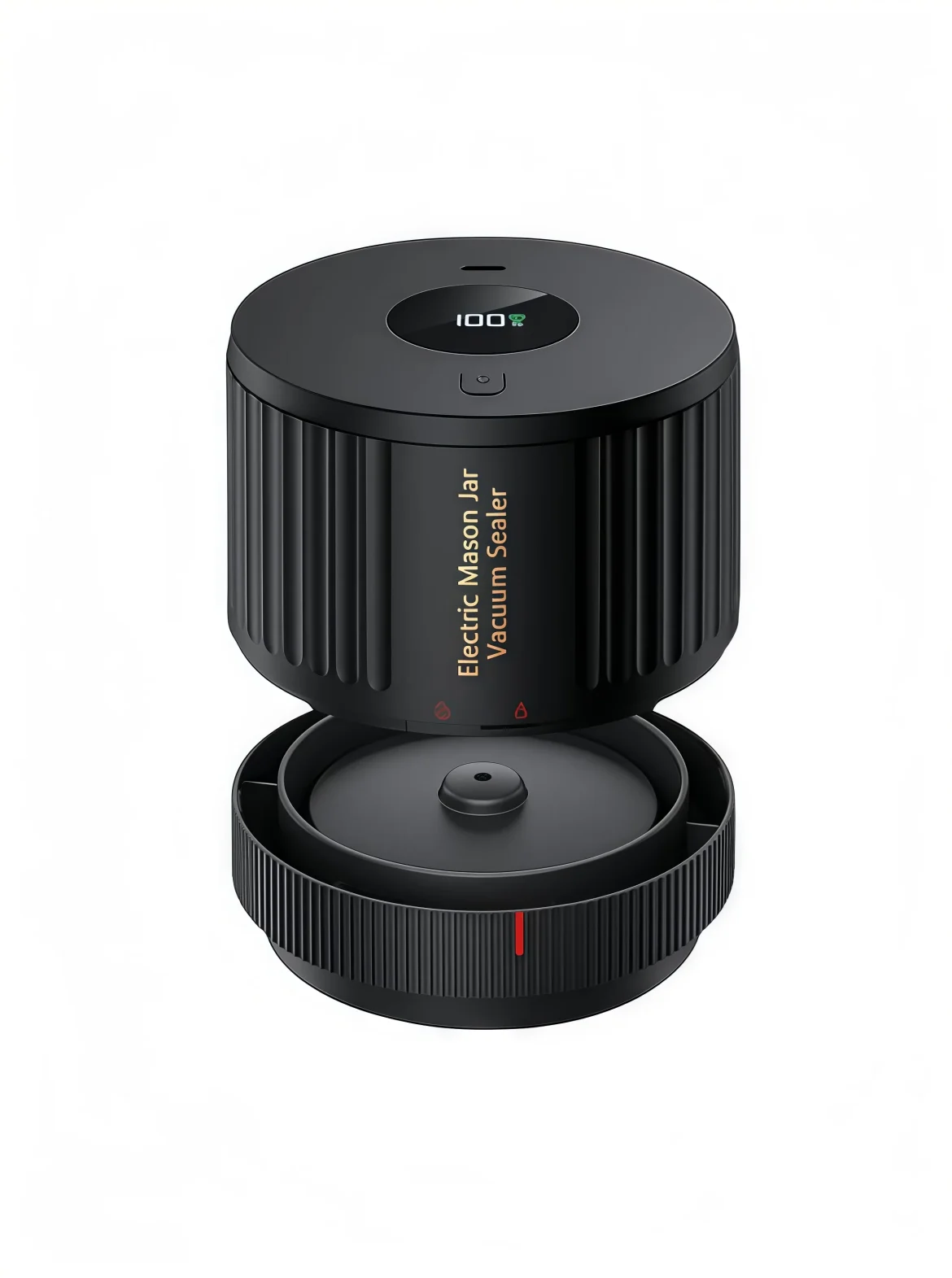
Benefits of Using an Electric Mason Jar Vacuum Sealer

Have you ever wished for a hassle-free way to preserve your seasonal harvest or leftovers? The electric mason jar vacuum sealer is your gateway to achieving that goal! This versatile appliance caters particularly to those who love working with mason jars for preservation, pickling, or even meal prepping. By employing the electric mason jar vacuum sealer, you can achieve efficient vacuum sealing that locks in flavors while keeping your ingredients safe from air and moisture.

The Right Time for a Vacuum Seal for Mason Jars

Using a vacuum seal for mason jars can revolutionize your pantry organization. It’s not just for canning anymore! With the vacuum seal for mason jars, you retain the freshness of grains, nuts, and snacks while minimizing food waste significantly. Think about how much easier it is to grab a perfectly sealed jar instead of rummaging through miscellaneous bags. This simple act turns storage into a strategic plan for better eating habits!

Final Thoughts on the VP05 Vacuum Sealer and Its Edge

In summary, the vp05 vacuum sealer offers unparalleled efficiency and reliability in food preservation. Whether you’re using it for The electric mason jar vacuum sealer or exploring the advantages of vacuum sealing for mason jars, you will find that this powerful tool provides endless benefits. Give yourself the edge in preserving food at its best quality by choosing products from heiyo, a trusted manufacturer known for its supply advantages and commitment to excellence.

Market

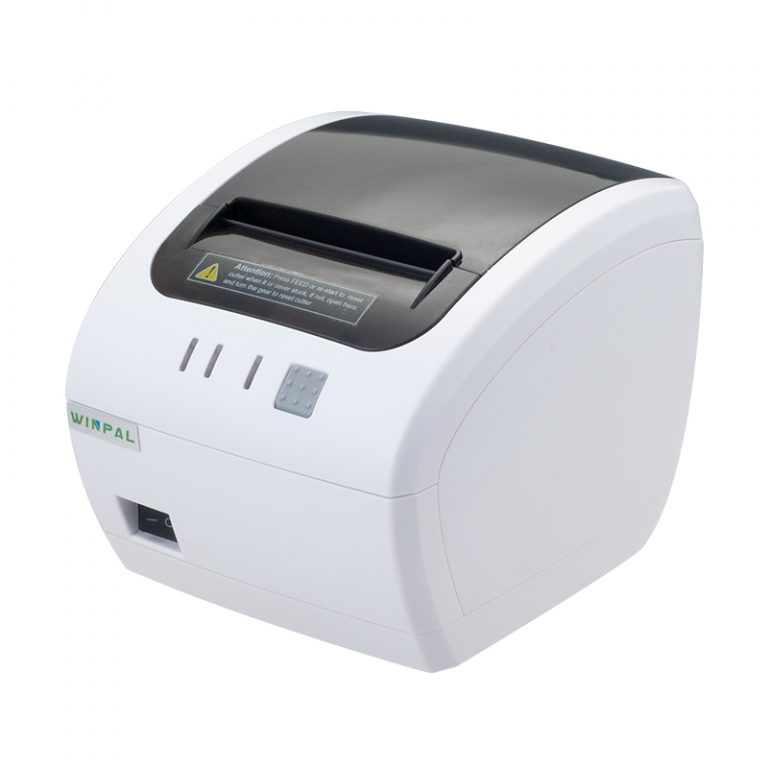
The Ultimate Guide to 80mm Receipt Printers: Understanding Features and Benefits

by Madelyn October 8, 2025
written by Madelyn

In today’s fast-paced business environment, having an efficient payment processing system is vital. Imagine a scenario where your customer checks out, but the receipt printer fails—frustrating, right? The 80mm receipt printer is an essential tool for both retail and hospitality sectors, but why do failures always occur during peak hours? Let’s explore.

80mm receipt printer

Traditional Solutions Flaws

Many businesses have relied on outdated receipt printers that often lead to downtime and inconveniences. Look, it’s simpler than you think: these traditional printers often have sluggish print speeds and compatibility issues with newer point-of-sale systems. The impact? Stressed staff and dissatisfied customers. With statistical data showing up to 30% of transactions disrupted by printer errors, it’s clear that something needs to change.

New Technology Principles

The tech world has advanced, especially in printing solutions. The 80mm receipt printer leverages modern connectivity options such as Bluetooth and Wi-Fi, making it easier to integrate with mobile devices and new POS systems. Additionally, these printers are designed to be user-friendly, featuring intuitive support applications. What benefits do these advancements bring? Efficient, seamless transactions that save both time and resources.

Quantified User Benefits

With the shift to an 80mm receipt printer, businesses can experience significantly reduced transaction times—up to 50% in some cases! This means happier customers and better employee productivity. Imagine a busy café where the printouts are produced swiftly, allowing more focus on serving customers rather than troubleshooting mechanical issues. Investing in an upgraded printer isn’t just smarter; it’s crucial for growth.

Conclusion: Call-to-Action

Always verify these 3 metrics when choosing solutions: ① print speed ② compatibility ③ warranty options. The best tool for the job can be a game-changer in operations. If you’re in the market for reliable and robust printing solutions, consider the innovations offered by the 80mm receipt printer—it may just be the upgrade you need for your business!

80mm receipt printer

Understanding the Role of a Receipt POS Printer

In the world of retail, efficiency is key, and that’s where a receipt pos printer shines. Have you ever tried to complete a transaction, only to wait endlessly for a receipt to print? These printers can play a significant role in speeding up the checkout process and minimizing customer frustration. The more efficient your printing solution, the smoother your sales transactions will be.

Why Small Business Receipt Printers Are Essential

For small businesses, the importance of a reliable small business receipt printer cannot be overstated. These devices ensure that transactions are accurate and quick, helping you reinforce trust with your clients. Plus, the latest models come with user-friendly interfaces and mobile compatibility. This adaptability is vital for small business operations, where every second counts and optimizing the customer experience is crucial.

Summary and Brand Recommendation

In summary, investing in an 80mm receipt printer can drastically improve operational efficiency and customer satisfaction. Both receipt pos printers and small business receipt printers serve critical roles in streamlining financial transactions. If you’re looking for a manufacturer with supply advantages, consider Winpal. Their printers are designed for modern businesses, offering reliability and user-friendly options that cater to a wide range of needs.

  • 1
  • …
  • 39
  • 40
  • 41
  • 42
  • 43
  • …
  • 59

Recent Posts

  • Tackling Peak Demand in Automotive Plants: Why High-C-Rate Commercial Batteries Solve the Hard Problems
  • Framework for Silent Waters: Building Smart Automation Rules for Your Pond Aerator via App Control
  • Maximizing Homeowner Satisfaction Through Strategic Chandelier Fan-Light Integration
  • The Gilded Fault Lines of Gazebo Design: A Wholesale Guide to Safer Outdoor Sanctuaries
  • Modular Screw-and-Barrel Playbook: Fixing Color Match and Compound Handoffs in LSR Lines

Recent Comments

No comments to show.

About Me

About Me

Designer

Sed ut perspiciatis unde omnis iste natus sit voluptatem accusantium dolor emque.

Keep in touch

Facebook Twitter Instagram Pinterest Behance Youtube

Popular Posts

  • 1

    Почему стоит выбрать керамический герметичный корпус?

  • 隱形牙套會吸引目光還是被默默接受?企業與用戶的選擇真相

  • 3

    Фасовочно Упаковочные Линии: Ваша Полная Инструкция

  • 4

    А что, если аккумулятор GFM смог бы сам предугадывать нагрузку?

  • Автоматический счетчик капсул: Инновации и преимущества

  • 6

    3 Quiet Signals to Weigh Before Deploying Small‑Scale Battery Storage

Categories

  • App Design (6)
  • Business (116)
  • Global Trade (127)
  • Industry (113)
  • Market (110)
  • Tech (103)
  • UI/UX (7)
  • Web Design (7)
  • Facebook
  • Twitter
  • Instagram
  • Pinterest
  • Behance
  • Youtube
  • Bloglovin
technooloop
  • Home
  • Design Update
  • Business
  • Global Trade
  • Industry
  • Market
  • Tech