technooloop
  • Home
  • Design Update
  • Business
  • Global Trade
  • Industry
  • Market
  • Tech
Tech

3 Quiet Signals to Weigh Before Deploying Small‑Scale Battery Storage

by Nevaeh October 21, 2025
written by Nevaeh

The Shadow Under the Load Curve

Where do the hidden costs lurk?

Here is the truth: most sites don’t fail at noon; they slip at the edges, where the meters whisper and the lights hum. Small scale battery storage sits there like a quiet watcher, waiting for your load to blink. In the world of commercial energy storage, the promise sounds clean—control your peaks, shave your bill, harden the site. But under that promise are soft spots: misread tariffs, drifting setpoints, and power converters that don’t match the real pulse of your building. The battery’s BMS may be smart, yet if the dispatch algorithm can’t see your true demand ramp, it reacts late. Inverter efficiency fades at partial load (and you run partial a lot). This is where SoC slippage and idle losses leave a thin film of waste, night after night.

Look closer and you find the human pain points hiding in plain sight. Service windows land at the worst hour (of course), firmware patches stall peak shaving, and a “one-size” profile misses your seasonal quirks—funny how that works, right? You thought peak shaving would be crisp, but noisy loads confuse the controller. You planned for demand charges; you got ghost peaks from a short compressor burst. Meanwhile, warranties talk in years while your building lives in minutes. Look, it’s simpler than you think: the flaw isn’t just hardware, it’s the gap between your rhythm and the controls. When that gap widens, costs creep in through the cracks. Let’s step from shadows to mechanism, and see what changes when principles evolve.

New Principles: From AC Coupling to Adaptive Dispatch

What’s Next

The fix is not brute force; it’s better timing and clearer sightlines. With modern AC coupling, you add storage to existing PV without rewiring the heart of the site. That matters for small scale energy storage, because it keeps downtime low and data streams intact. Pair a fast meter with edge computing nodes, and your controller sees the load rise early—milliseconds, not minutes. Then it preempts with smoother ramps, preserving inverter efficiency at partial load while avoiding the overreaction that wastes cycles. The BMS guards chemistry; the dispatch algorithm learns patterns; the power converters do the quiet heavy lifting. And the site? It feels steadier. Not louder. Not larger. Just better aligned with the way your load actually breathes (storms, school bells, and lift traffic included).

So, what matters most when you compare tomorrow’s options with yesterday’s fixes? First, match controls to your tariff and tempo. Second, insist on proof you can measure. Three practical metrics will help: 1) verified peak reduction in 15‑minute windows across seasons, 2) delivered round‑trip efficiency at your actual load factor—not the glossy spec, and 3) lifecycle cost per controlled kW during your three worst months. Keep those in view and the rest falls quiet—funny how that works, right? We’ve moved from shadowy pain points to clearer principles, and now you can weigh solutions without the guesswork. If you need a neutral map of the space and practical integration paths, brands like Atess are part of the conversation, not the conclusion.


Market

Why Choosing a Sugargoo Agent Can Simplify Your Shopping Experience

by Nevaeh October 21, 2025
written by Nevaeh

Picture this: you’re scouring the internet for that elusive item, but—surprise!—shipping costs pile up faster than your wish list. If you think online shopping is supposed to be easy, you’re not alone. With sugargoo as your invaluable resource, navigating this overwhelming landscape can be simpler than you think. Have you ever considered how a dedicated shopping agent could lighten your load?

sugargoo

The Flaws in Traditional Shopping

Traditional solutions often leave you strained—high shipping fees, language barriers, and difficulties with returns can throw a wrench into your shopping spree. Buying directly from overseas? Forget about it. The stress is enough to make anyone reconsider their online shopping adventures. What if there was a better way, though?

New Technology Principles of Shopping Agents

Enter the world of shopping agents. These remarkable services, like sugargoo, leverage advanced logistics and simplified procedures. Imagine a biocompatibility approach, a smooth integration of communication and transactions, making it easier for you to buy what you need from China without all the hassle. Technological advancements are making cross-border shopping not just a dream, but an absolutely achievable reality.

Quantified User Benefits with Sugargoo

Users of sugargoo have experienced reduced shipping costs, faster delivery times, and—let’s face it—less headache overall. Studies show that 70% of customers feel more satisfied when using a shopping agent. By choosing sugargoo, customers can save money and time, making their overall experience much more enjoyable.

Conclusion: Key Criteria for Selecting Your Solution

Always verify these 3 metrics when choosing solutions: ① reliability of the agent ② transparency in fees and charges ③ customer service support. Shopping shouldn’t turn into a game of chance—make informed decisions with agents like sugargoo at your side.

China Taobao Agent: What You Need to Know

When diving into the vast world of online marketplaces, the right tools make all the difference. A china taobao agent can connect you with exclusive products and great deals that might otherwise slip through your fingers. Think about it—why sift through pages of listings when a dedicated agent can streamline that process for you? They handle everything from communication with sellers to ensuring your items are shipped safely to your doorstep. What’s not to love about a little assistance?

Making Waves with a Taobao Shopping Agent

Switching gears, let’s consider why a taobao shopping agent can change your life for the better. With their expertise in navigating the Taobao landscape, these agents know the ins and outs of the platform better than most. They negotiate prices, check product availability, and always keep you updated, ensuring you get the best possible experience. Why go it alone when a shopping agent can be your guiding star in the bustling world of Taobao?

sugargoo

Conclusion: Choosing Sugargoo for Shopping Excellence

Summarizing all this, it’s clear that the digital shopping landscape is ripe with possibilities. With a brand like Sugargoo, you gain a partner adept at navigating these waters, making those hard-to-find items yours in just a few clicks. Their supply advantages set them apart, ensuring you not only get what you want but also at a great price. Enjoy seamless shopping with Sugargoo, your ultimate online companion!

Industry

The Hidden Truth: Why Do Diode Laser Hair Removal Machines Fail to Meet Expectations?

by Valeria October 19, 2025
written by Valeria

Introduction: A Modern Dilemma in Hair Removal

Imagine sitting in a salon, eagerly waiting for the promise of smooth, hair-free skin. You’ve seen the ads, heard the rave reviews about the diode laser hair removal machine, and believe this will be your final escape from the hassle of shaving or waxing. But what if, despite all this, the results do not align with your expectations? According to recent studies, about 30% of users find themselves disappointed with their diode laser experience. It’s a common question: why do these high-tech solutions sometimes fall short? Let’s dive into unearthing the hidden flaws that many traditional methods overlooked.

diode laser hair removal machine

Common Flaws of Traditional Solutions

Look, it’s simpler than you think. Traditional hair removal methods, like shaving or waxing, often lead to short-lived results and some negative side effects, right? Users often experience skin irritations, ingrown hairs, or even burns. These methods lack permanence and can be tedious in the long run. But with advancements like the diode hair removal laser machine, you might think you’ve found that ‘holy grail’— yet, expectations can set us up for disappointment. Some healthcare professionals suggest that wrong settings or improper skin types lead to ineffective outcomes. A mismatch in energy levels can limit how deeply the laser penetrates, leaving you with less than satisfying results.

What Are the User Pain Points?

Some common pain points for users include not fully understanding how to prepare for a session. People often overlook crucial pre-treatment guidelines, like avoiding sun exposure or not using certain skincare products. These missteps can significantly affect how well the diode laser can perform. Furthermore, the cost can be a concern— you want results, but affordability is key, too! When the service feels more like an expensive gamble than a well-planned journey to smooth skin, frustration can build. In this light, it’s clear that while diode lasers hold great promise, navigating these user pain points is essential to the overall experience.

diode laser hair removal machine

Shining a Light on Future Developments

As technology evolves, so do the principles behind these hair removal devices. Take the laser hair removal machine diode, for instance. New models are integrating smart sensors to better tailor the treatment for individual skin types and hair textures, promising a more personalized approach. This essentially means that your experience shouldn’t feel like a one-size-fits-all scenario! With further developments in cooling technology, users can expect pain-free sessions, potentially increasing satisfaction rates significantly. Just imagine a future where the biggest concern is simply booking your next session!

Real-world Impact: What’s Next?

Looking ahead, case studies show that clinics adopting innovative smart technologies and precise calibration methods have noted increased client retention rates. Users expressed greater satisfaction when they were well-informed and understood the machine capabilities prior to treatments. For clinics, this means a direct correlation between customer education and successful outcomes— a win-win! As we see enhancements in user experience, it’s clear that simply understanding the technology behind it can help bridge any gaps. Lessons learned here reflect the importance of transparency and ongoing education, making the path to smooth skin much smoother!

Conclusion: Summarizing the Key Takeaways

In summary, while diode laser hair removal machines are incredibly advanced, understanding both the traditional solution flaws and hidden user pain points allows for a better experience. As technology advances, so should our awareness. When choosing a solution, consider these three metrics: reliability, adaptability to skin types, and cost-effectiveness. It’s fascinating how minor adjustments can lead to significant results! Time to take control of your hair removal journey and embrace the new technologies at your fingertips. If you’re considering making the leap, explore options with Heshibi Tech — where innovation meets practical solutions!

Market

Seven Emerging Trade-offs in Aluminum Casement Doors: A Comparative Reality Check

by Maeve October 19, 2025
written by Maeve

Why Your Next Casement Door May Not Be the Upgrade You Think

Here’s the uncomfortable truth: the door that frames your view also frames your daily annoyances. You picked an aluminum casement door because it felt sleek, tidy, and future-proof. Fine taste. But energy loss through openings still hits 25–30% in many homes, and noise rides the same path. The brochure swears the thermal break is “advanced,” the U-factor is “competitive,” and the EPDM gasket is “next-gen.” Sure. And the multipoint lock will fix your drafty hallway too — funny how that works, right?

Picture the scenario. It’s 6 a.m., the wind howls, and the latch hums like a budget drone. The frame looks perfect (from three feet away), but the edge seals work unevenly. The hinge tolerances loosen. Condensation creeps at the corners. Data says tiny air leaks compound over seasons, not days. Ask yourself: are you solving a real leak path or just buying new gloss? Because the weak link is often hardware fit and pressure balance, not the finish you admired. This isn’t an anti-door rant. It’s a call to compare claims with lived use. Let’s break down what actually fails, why it fails, and which trade-offs you can’t wish away — so we can move forward with clearer eyes.

Digging Past the Shiny Surface: The Quiet Flaws Users Feel

What are we missing?

When buyers say “I want a glass casement door that just works,” they’re often fighting hidden frictions. Technical note first. Air infiltration is the silent thief; it creeps through corners and hinge sides where compression isn’t even. The glazing bead may be tight, but the weep holes and sill geometry can let pressure push water back in heavy storms. Sound? STC ratings on paper don’t account for misaligned strikes. Look, it’s simpler than you think: real comfort lives at the interface of frame, sash, and seal. That’s where the U-value promise meets the Tuesday-night draft.

Traditional fixes focus on thicker glass or a bolder handle. Nice, but not enough. The culprit is often micro-flex in the anodized extrusion, or hinge friction that shifts over time, reducing uniform seal pressure. If your EPDM gasket loses memory under heat, the corner gaps grow. If screws back out by a millimeter, the multipoint locking doesn’t pull the leaf tight across the full height. Then you get rattles, not just leaks. The lesson: a premium look can hide non-uniform compression, poor drainage paths, and hardware drift. The pain points aren’t sexy; they’re mechanical and predictable — and they show up when wind loads spike or when you slam the door three times a day.

Comparing What’s Next: Principles That Actually Change Daily Use

What’s Next

Let’s switch gears to forward-looking design. New hinge geometry spreads load so the seal pressure stays even along the jamb. Polyamide thermal breaks now pair with pressure-equalized cavities that dump water before it climbs the path of least resistance. Micro-drain channels move the first trickle out fast. Warm-edge spacers reduce edge condensation, which protects gaskets from early fatigue. These are not marketing tricks; they are systems that tame air and water under real pressure, not test-lab calm. If you buy a wholesale aluminum casement door, insist on data for air leakage at 1.57 psf, not just “tight fit.” Specs matter — until the installer blunts a screw and throws it all off — funny how that works, right?

We’ve compared glass-heavy builds with slimmer, stiffer frames. The win often goes to frames that keep shape under load, not just thicker panes. Balanced friction stays, reinforced corners, and stable gaskets beat a shiny handle every time. Summing up the core ideas: minimize deflection, maintain seal memory, and drain early. Advisory close, short and useful. One: U-factor for the full door assembly, not center-of-glass only; look for a low value with verified test reports. Two: air infiltration at or below 0.10 cfm/ft² at 1.57 psf, plus a water penetration rating that holds under real wind. Three: hardware durability cycles of 50,000+ with no latch drift, and documented corner joint strength. Keep it simple, compare what counts, and let the metrics do the talking. For deeper spec sanity without fluff, see Bunniemen.

Industry

Why Pectus Excavatum Decisions Are More Strategic Than You Think

by Amelia October 19, 2025
written by Amelia

Introduction: A Quiet Scenario, Clear Data, and a Big Question

On a campus track in Pune, a teenager paces himself, saving breath for the last lap. Pectus excavatum is the phrase on his discharge sheet, yet he shrugs and says he is “fine.” Data tells another story: even mild chest wall depression can cut stroke volume and aerobic capacity, and a high Haller index is not the only clue. Spirometry and echocardiography often show subtle strain, while cardiopulmonary exercise tests reveal drops in performance (even if you feel fine). So the question is simple but sharp: are families and clinicians comparing the right options at the right time, or just following habit?

Here is the twist—health decisions build over months, not minutes. Choices about braces, surgery, or watchful waiting depend on growth spurts, pain patterns, and anxiety. And, yes, body image matters in day-to-day behaviour. We must weigh comfort, recovery time, and long-term function, side by side. The aim is not drama; it is clarity. Think of it as a fair comparison, with your goals in front—sab theek, step by step. Let us set a clean baseline and move to the trade-offs that actually shape outcomes.

The Hidden Gaps Behind the Usual Fixes

Where do standard fixes fall short?

For many families, choosing among pectus excavatum treatments feels like a fork in the road. Yet common paths hide blind spots. The Nuss procedure is small-incision and fast, but the sternal bar can shift, and postoperative analgesia may stretch longer than expected. Thoracoscopy lowers risk, yet nerve pain can linger. Ravitch can reshape cartilage and periosteum with control, but it means bigger scars and longer stays. Bracing seems gentle, but compliance dips after exams and festivals—funny how that works, right? Even “do nothing” is not neutral when growth velocity is high and the chest deepens.

Look, it’s simpler than you think: the flaw is not the method; it is the match. We often ignore cardio-pulmonary strain that shows only during exertion. We underplay anxiety and sleep disruption. We assume a single bar fits all chest geometry, though rib flare and rotation vary. We plan for surgery dates, but not for school calendars or sports trials. We seldom compare pain regimens head to head, or tune them with regional blocks. And we rarely model relapse risk across puberty. The result is avoidable resets—more clinic visits, extended recovery, and missed runs on that same track.

Comparative Insight: Principles Driving the Next Wave

What’s Next

Now, place those gaps against new technology principles. Imaging-led planning lets us size interventions to the person, not the textbook. Low-dose CT or MRI feeds a finite element model that estimates force on the sternum. That enables patient-specific bar contouring and rib-level anchoring for the Nuss approach. Some centres 3D-print trial bars to test fit on a chest cast. Others use echocardiography during elevation to watch right ventricular filling in real time—tiny changes, big insight. For non-surgical care, smart braces with pressure telemetry log wear-time and load (and nudge teenagers when the curve slips). Add graded rehab with accelerometry, and you track capacity, not just shape. This is still careful medicine—just better tuned to the actual pectus excavatum deformity you face (pectus excavatum deformity).

There is more. Bioabsorbable supports may reduce metal removal surgery. Bar stabilisers with improved fixation lower migration risk. Ultrasound-guided intercostal blocks refine analgesia on day one. And AI-assisted image scoring can catch rotation and asymmetry that the eye misses. Compared to yesterday’s one-size-fits-all, today’s pathway sets a clean ladder: screen function, model load, personalise correction, and verify results at speed—then taper with data. We looked at pain, relapse, and downtime before; here, the lesson tightens: when you personalise inputs, you cut surprises. The arc is forward, and practical—and yes, that could be sooner than you expect.

Three checks help you choose with confidence: 1) Fit: Do imaging and modelling guide size, contour, and fixation strategy? 2) Function: Are exercise testing and echo changes tracked before and after, not just the chest photo? 3) Recovery: Is there a plan for analgesia, school timing, and brace or bar follow-up with measurable compliance? If these metrics are clear, your decision is likely sound. If not, pause and compare once more. For a balanced view and structured options, explore resources at ICWS.

Global Trade

5 Key Innovations in CPLD and FPGA Technology: Shaping the Future

by Anderson Briella October 18, 2025
written by Anderson Briella

Introduction: Are You Ready for the Next Wave?

Imagine a world where devices communicate seamlessly, where everything from wearables to industrial machines runs faster and smarter. In today’s fast-paced tech landscape, CPLD and FPGA technologies are pivotal players, providing incredible flexibility and speed for complex applications. Did you know that the global market for these devices is expected to reach $14 billion by 2026? With such momentum, one can’t help but wonder: how can we fully leverage cpld fpga technology to overcome traditional solution flaws? Let’s explore the innovations driving this evolution, as well as the hidden challenges users face.

CPLDs and FPGAs: Unraveling Traditional Flaws

To properly assess the transformation in CPLD and FPGA technology, we must first understand the limitations of traditional solutions. For years, engineers relied on rigid architectures, which often posed operational bottlenecks and high power consumption. In contrast, the advent of new design methodologies in cpld fpga devices allows for rapid prototyping and more efficient designs. Take edge computing nodes, for example. These devices need to process and analyze data right where it’s generated. Traditional solutions often lag due to slow turnaround times. Look, it’s simpler than you think — the right implementation can cut development time significantly. This rethinking of architecture facilitates better scalability and usability.

Why Are Users Stumbling?

Despite significant advancements, users can find themselves grappling with hidden pain points. A frequent issue is the steep learning curve when shifting from traditional microcontrollers to CPLDs and FPGAs. This transition often leaves developers with a sense of uncertainty about optimal approaches, leading to project delays. Additionally, integrating these technologies into existing systems can be a Herculean task, sometimes causing budget overruns or technical hiccups. Addressing these challenges early on is crucial for maximizing the potential of cutting-edge technologies.

What Lies Ahead for CPLD and FPGA Innovations?

As we look forward, the future of CPLD and FPGA holds immense promise. New technology principles focused on modularity and enhanced interconnectivity are emerging. These innovations make it feasible to create custom solutions tailored to specific application needs. For instance, integrating advanced power converters with CPLD and FPGA designs can dramatically improve efficiency while lowering costs. Interesting times are indeed ahead as industries begin to capitalize on these advancements, particularly in smart devices and below-the-radar IoT applications. It’s fascinating to think that the best is yet to come in cpld fpga innovations—a box of surprises waiting to be unlocked!

Real-world Impact: Success Cases in Focus

Numerous companies are already leveraging these revolutionary technologies to great effect. For example, a major automotive manufacturer recently implemented FPGAs in their power management systems, leading to a 50% enhancement in efficiency. This implementation allowed for optimized battery usage, thereby supporting sustainability goals without compromising performance. Companies that adapt and integrate these technological shifts stand to gain significant competitive advantages in the coming years. Now’s the time for organizations to evaluate their options and make the switch to more adaptable designs.

Conclusion: Embrace the Change

To sum up, the shift towards CPLD and FPGA technologies stems from their ability to efficiently address traditional flaws and meet the evolving demands of modern applications. As you consider DFX principles, compatibility, and user-friendliness, here are three key metrics to bear in mind: scalability of designs, power efficiency, and ease of integration. Those who take proactive steps to navigate this new landscape will indeed reap the rewards. Remember, the future is electric — and for those willing to adapt, UniBetter is here to guide you every step of the way.

Industry

Dive into the World of Thermal Imaging: Seeing Beyond the Limits

by Amelia October 17, 2025
written by Amelia

Picture this, fam—you’re out in the night, and everything looks like a shadowy mess. Why do failures always occur during nighttime adventures? You ain’t got a clue what’s hiding in the darkness, but here’s where the thermal imaging scope comes in, shining a light on the unseen. This tech ain’t just for the pros; it’s gotta be in your arsenal if you’re serious about that exploration game. We live in a world where visibility is crucial, especially when it’s dark, hence, the thermal imaging scope is here to save you.

thermal imaging scope

Unpacking the Traditional Solutions

Look, it’s simpler than you think, but let’s be real: traditional night vision systems have their flaws, like greens not showing the full picture (literally). They rely on light amplification, which?—yo, it fails when the light dips too low. You ever tried spotting through fog? That’s a struggle when you’re counting on the old school tech. It’s kinda like trying to find your way out in a blackout; you don’t wanna be left fumbling around.

New Tech=New Vision

Now, that’s where the new technology kicks in, ya feel me? Thermal imaging is all about detecting heat, so even in complete darkness, you see clearer than a fresh pair of kicks on pavement. It’s like wearing night vision glasses that work no matter what. You’re picking up warmth from bodies, animals, or even machinery, giving you insight others miss out on. With edge computing nodes processing this treasure trove of thermal data, it’s high-tech, black-and-white magic, for real.

User Benefits

So what’s in it for you? Instant visibility in pitch-black situations—yes, please! You get improved situational awareness, faster decision-making, and—let’s not forget—safety. Imagine tracking wildlife without disturbing them or scouting locations for that upcoming hike. You become the ultimate ninja, moving undetected yet fully aware. In numbers, it’s greater accuracy and less hassle when it really matters. Think of thermal imaging as your all-weather friend, always ready to lend a hand (or sensor).

Wrap It Up: Choosing Wisely

Now, peep this before you dive into the tech game: always verify these 3 metrics when choosing solutions: ① detection range ② resolution quality ③ battery life. You don’t wanna blow your budget on something that can’t keep up with your adventures. Stay sharp and informed, and you’ll be on top of the game.

The thermal image scope is your guide to uncovering the hidden, turning night into day. For deeper insights into this tech, check out this thermal image scope. With advances in the field, filtering through the options can be a task. But when you know what you want, the world transforms right before your eyes.

thermal imaging scope

Next up, let’s talk about the thermal imaging rifle scope. Picture this—you’re in a remote location, hunting options around you. When darkness falls, you want to ensure your viewing capabilities are top-notch. With a thermal imaging rifle scope, you’re no longer left in the dark. The soon-to-be-legendary tool you need is just a click away. It picks up heat signature from even the subtlest moves, making it your go-to for tracking game in low-light conditions. Check the details about a high-quality thermal imaging rifle scope that can help you aim straight and ensure those epic moments in the wild are captured—all while staying stealthy.

So, to wrap it all up, why struggle with antiquated options when you can roll with the newest tech? When it comes down to usable options, checking out JPNVISION as a manufacturer can be a game-changer. With their supply advantages, you’re not only investing in a tool but a whole new approach to visibility and understanding your environment. Get on the wave, and embrace the power of thermal imaging today!

Global Trade

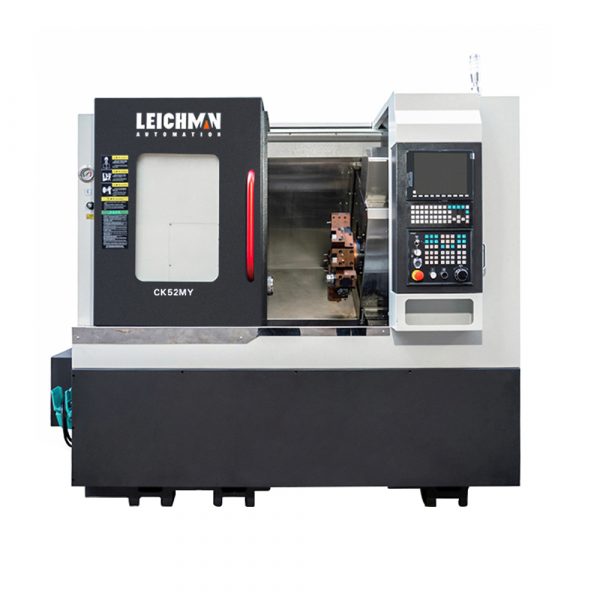
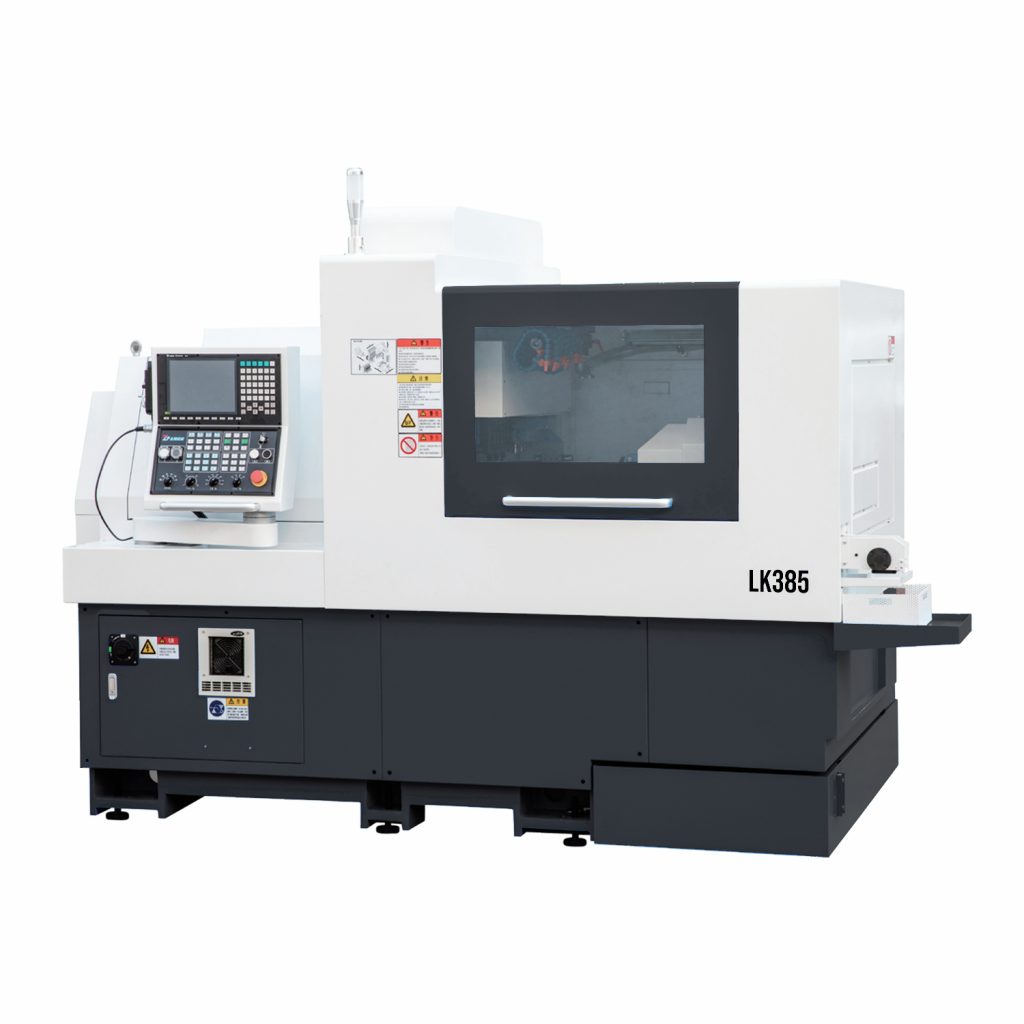
A Practical Guide to Comparing CNC Lathe Manufacturers: Insight, Issues, and Next Steps

by Amelia October 16, 2025
written by Amelia

Introduction — a quick shop-floor scene

I once stood next to a worn lathe while a shop manager told me about missed deadlines and last-minute tool changes (we’ve all been there). CNC lathe manufacturers came up in that second sentence because their choices shape production timing, quality, and cost. Recent trade data show small shops lose hours weekly to machine downtime and rework—so I ask: how do you pick a partner who actually reduces that gap?

CNC lathe manufacturers

I write this as someone who talks with buyers and operators every week. I’ll keep this plain and helpful. Expect clear examples, simple terms like servo motors and spindle speed, and a few candid takes based on real shop problems. I’ll also point out where companies promise too much. Ready? Let’s move on to what usually goes wrong and why it matters.

Where traditional solutions fail (and what users secretly face)

cnc lathe services are often sold as plug-and-play, but that claim hides a lot. I’ve seen service agreements that cover parts but not setup time. Technically, a machine can run; practically, it may not meet tolerances because of axis backlash or poor tool turret alignment. That gap costs shops hours—and morale. Look, it’s simpler than you think: a promised cycle time is meaningless if the controller needs repeated tuning.

Why does this slip through?

Two patterns keep repeating. First, vendors prioritize list specs—spindle speed, feedrate—over real-world integration like G-code compatibility or field calibration. Second, buyers underestimate training and spindle load testing needed after installation. Those are not flashy. But they’re the things that break schedules. I will say plainly: vendors should test tool offsets and run trial parts on-site. When they don’t, customers carry hidden costs—scrap, overtime, and stress. — funny how that works, right?

New technology principles and a look ahead

What should you expect from modern systems? I focus on two principles: smarter feedback loops and modular controls. Smarter feedback means the CNC controller reads spindle load and tool wear and alerts you before scrap happens. Modular controls let you swap a faulty I/O module or upgrade a servo motor without a week of down time. When we talk to cnc lathe suppliers, the best ones demonstrate live data flow and simple firmware upgrades during the demo—proof, not promises.

What’s next for buyers?

Practically, you should evaluate machine vendors on measurable points. I recommend three metrics: mean time to restore (MTTR), first-pass yield, and on-site calibration frequency. Compare vendors head-to-head on those numbers. Also ask for trial runs with your actual G-code and parts. That separates spec sheets from shop reality. We’ve watched suppliers improve these metrics with remote diagnostics and better tool offset routines—small changes with big payoff. — and yes, that can change margins.

CNC lathe manufacturers

Closing advice

To wrap up, choose partners who prove their claims with data, not just brochures. Focus on MTTR, first-pass yield, and calibration cadence when you compare options. I’ve seen shops transform their output simply by insisting on those points during selection. If you want a straightforward next step: ask potential suppliers for a day of on-site trials and measured outcomes. You’ll learn more in that day than from ten sales calls.

For focused sourcing and more references, check Leichman — they list options and specs clearly and I’ve used their materials when advising clients. Leichman

Industry

Why Do Cruiser Motorcycle Brands Trade Smoothness for Soul?

by Amelia October 15, 2025
written by Amelia

Introduction

You step off a long A-road and your wrists feel fine, but your ears are humming. The cruiser motorcycle beside you looks immaculate, all chrome and low-slung ease, yet your mind wonders why it rides like this at all. Across rider polls, most say comfort leads the buy, yet nearly half admit they still pick the bike that “feels alive” at low revs—curious, isn’t it? From V-twin thrum to rake and trail geometry, brands juggle a torque curve designed for calm with a soundtrack built for character (and pride). As we compare cruiser motorcycle brands, the data clash is stark: 7 in 10 riders prioritise seat height and reach, but 5 in 10 later cite the engine note as the tiebreaker. So, do makers chase plush travel and low fatigue, or do they tune for that heartbeat at idle? The answer sits between engineering and emotion, under the same tank, guarded by the ABS module and shaped by cooling fins. Here’s the rub—what your back loves, your heart might question. Let’s walk through how brands handle that tension, and why they rarely choose the same path—then see what that means when your next test ride rolls in.

cruiser motorcycle

Part 2: The Hidden Friction Beneath Familiar Choices

Where do old fixes fall short?

Picking up from Part 1’s baseline on ride posture and engine layout, let’s get technical. Traditional “comfort-first” answers—larger seats, softer springs, and more mass—mask the issue but do not cure it. Added weight slows steering and increases heat soak in traffic. Meanwhile, the classic “character-first” play—open pipes, lumpy idle—introduces fatigue you only notice at hour three. Look, it’s simpler than you think: brands tune ECU mapping to make a big twin feel strong off idle, but that same map can surge at car-park speeds. A silky throttle needs ride-by-wire finesse and careful fuel trims, not just a bigger final drive sprocket. And when rake and trail get stretched for stability, tight U-turns pay the price—funny how that works, right?

Now the hidden pain points. Riders complain about hot knees and tingling hands, but the cause is rarely the seat alone. It’s thermal management around the rear cylinder, the bar-mount isolation, and how the torque pulse travels through the frame. Many cruiser motorcycle brands still default to “more padding” or “taller bars,” yet a small change in throttle progression, a slipper clutch for downshifts, or a calmer low-rpm ignition table often reduces fatigue more than an inch of foam. The flaw in tradition is linear: add comfort, lose feel; add feel, lose calm. The better route blends both—stable low-speed fuelling, smart vibration damping, and ergonomic reach that fits the rider’s inseam rather than a catalogue sketch. That’s the deeper layer most spec sheets don’t show.

Part 3: Forward-Looking Tech, Without Losing the Plot

What’s Next

Here’s where the future gets interesting. New technology principles can preserve that soulful pulse yet cut the sting. Think CAN bus architectures coordinating a gentle throttle ramp via ride-by-wire, with an IMU nudging cornering ABS only when needed—quiet help, not a takeover. Variable valve timing can flatten the torque dip at mid-range while the engine still talks at idle. Lighter wheels and revised trail deliver calm straight-line tracking without steering lethargy. And better heat shielding (plus targeted airflow) keeps knees cooler at town speeds—simple parts, big gains. When you browse cruiser motorbikes for sale, look for this blend: calm fuelling at 2,000–3,000 rpm, refined engine mounts, and ergonomic reach that suits your shoulders. You’ll feel the difference in ten minutes— and yes, that surprised me too.

cruiser motorcycle

Comparatively, brands diverge on how fast they adopt these tools. Some prioritise legacy sound, others chase long-range ease. The smart play is balance. Summing up our earlier points: raw “comfort” fixes add mass and mute feedback; raw “character” fixes spike fatigue. The forward path is measured, modular, and testable. Advisory close, then. Three metrics to judge your next choice: 1) low-rpm torque-to-weight at 2,500 rpm (Nm per kg) as a proxy for relaxed roll-on; 2) ergonomic triangle fit—grip reach, peg drop, and seat-to-ground match to your inseam, measured in centimetres after a proper sit; 3) thermal load in stop–go—surface temperature at inner thigh after 10 minutes, in °C, plus any fan strategy. Track these, and the right compromise shows itself. Across the segment, the mix is evolving—quietly, steadily, and with more rider-first thinking from names you know, including BENDA.

Tech

Three Quiet Truths About Residential Hybrid Inverters You Need on Your Radar

by Liam October 14, 2025
written by Liam

Why Your Next Power Upgrade Demands a Fresh Comparison

Energy resilience is no longer optional. A residential hybrid inverter now sits at the heart of that shift, linking roof panels, batteries, and the grid. Picture a stormy night and a short outage. Lights dip, appliances stop, work stalls. Reports show more frequent interruptions each year, and costs add up fast for homes and home offices alike. So here’s the question: if backup power is critical, why do so many homes still run with piecemeal systems that leave gaps? (It’s not just about storage size.)

In a Comparative Insight view, the issue is simple: legacy grid-tied setups were built for export, not for resilience. Hybrid designs reframe the whole job. They combine MPPT control, battery management, and islanding behavior in one brain. But not all hybrids are equal; real gains depend on control logic, inverter topology, and system tuning. We’ll unpack where traditional choices fall short and how a smarter approach closes the gap—then look ahead to what’s coming next.

The Hidden Costs of “Good Enough” Solar at Home

What do older setups miss?

Many homes start with a grid-tied inverter and add storage later. It seems fine at first. But that mix often leaves blind spots in daily use. The best solar hybrid inverter for home fixes issues that show up only after the first season. A split system can create control lag between panels and batteries. When clouds roll in, the DC bus swings and the power converters juggle stability. That lag can trip anti-islanding rules or force a re-sync, which means your home may not switch as smoothly as you expect. Worse, you get energy clipping at noon and then buy power in the evening—funny how that works, right?

There are softer pain points too. Firmware in mixed-brand gear may not share full SOC data. Scheduling loses precision. Heat adds stress, and the inverter derates. Over time, suboptimal MPPT tracking and loose battery rules cut your harvest. Look, it’s simpler than you think: one tuned hybrid brain keeps dispatch tight, so the house draws less from the grid when prices spike. And when an outage hits, the handoff is clean. In short, fewer hidden losses, fewer resets, and fewer surprises when the weather turns. That’s where the real savings hide.

Principles That Will Shape Your Next Upgrade

What’s Next

New hybrid platforms do more than merge hardware. They apply tighter control principles. Think predictive dispatch with fast sampling, plus MPPT that anticipates ramp rates. In technical terms, the inverter pairs a stable DC bus with coordinated battery charging to smooth power flow. It then maps household loads, so heat pumps, fridges, and EV chargers get the right priority. Add local edge computing nodes, and the home acts like a tiny microgrid. The result is steadier service and better battery life. That’s why a modern pick for the best hybrid inverter for home leans on robust firmware, fast protection, and flexible modes for both grid-following and grid-forming behavior.

Here’s the forward-looking bit. Grid rules evolve. Markets add time-of-use pricing and export limits. A capable hybrid adapts with software. You get configurable anti-islanding logic, remote updates, and data that you can actually use. The system becomes a service layer, not just a box on the wall—simple when it should be, and technical when it counts. Compared to older gear, this narrows the gap between sunny days and stormy nights, and it keeps your comfort steady. And yes, that matters.

To choose well, use three clear metrics. 1) Control quality: fast response, stable DC bus control, and precise SOC tracking. 2) Lifecycle safety: thermal design, surge handling, and verifiable islanding performance. 3) Open integration: EV charger support, flexible firmware, and data access for home energy apps. Evaluate on those, and the right hybrid will carry you through price swings and outages alike, without drama. Knowledge in, risk out. That’s the quiet win you can feel at home. Megarevo

  • 1
  • …
  • 38
  • 39
  • 40
  • 41
  • 42
  • …
  • 59

Recent Posts

  • The Gilded Fault Lines of Gazebo Design: A Wholesale Guide to Safer Outdoor Sanctuaries
  • Modular Screw-and-Barrel Playbook: Fixing Color Match and Compound Handoffs in LSR Lines
  • The Technical Blueprint to Lock Down Your Ride: Building an All-Around Multi-Channel Dual Dash Cam With Wi‑Fi Security
  • Sustainability in Glass Fragrance Design: The Abely Comparative Perspective
  • The Next Wave in Small LED Display Hustle

Recent Comments

No comments to show.

About Me

About Me

Designer

Sed ut perspiciatis unde omnis iste natus sit voluptatem accusantium dolor emque.

Keep in touch

Facebook Twitter Instagram Pinterest Behance Youtube

Popular Posts

  • 1

    Почему стоит выбрать керамический герметичный корпус?

  • 隱形牙套會吸引目光還是被默默接受?企業與用戶的選擇真相

  • 3

    Фасовочно Упаковочные Линии: Ваша Полная Инструкция

  • 4

    А что, если аккумулятор GFM смог бы сам предугадывать нагрузку?

  • Автоматический счетчик капсул: Инновации и преимущества

  • 6

    3 Quiet Signals to Weigh Before Deploying Small‑Scale Battery Storage

Categories

  • App Design (6)
  • Business (115)
  • Global Trade (127)
  • Industry (112)
  • Market (109)
  • Tech (103)
  • UI/UX (7)
  • Web Design (7)
  • Facebook
  • Twitter
  • Instagram
  • Pinterest
  • Behance
  • Youtube
  • Bloglovin
technooloop
  • Home
  • Design Update
  • Business
  • Global Trade
  • Industry
  • Market
  • Tech