Why this comparison matters right now
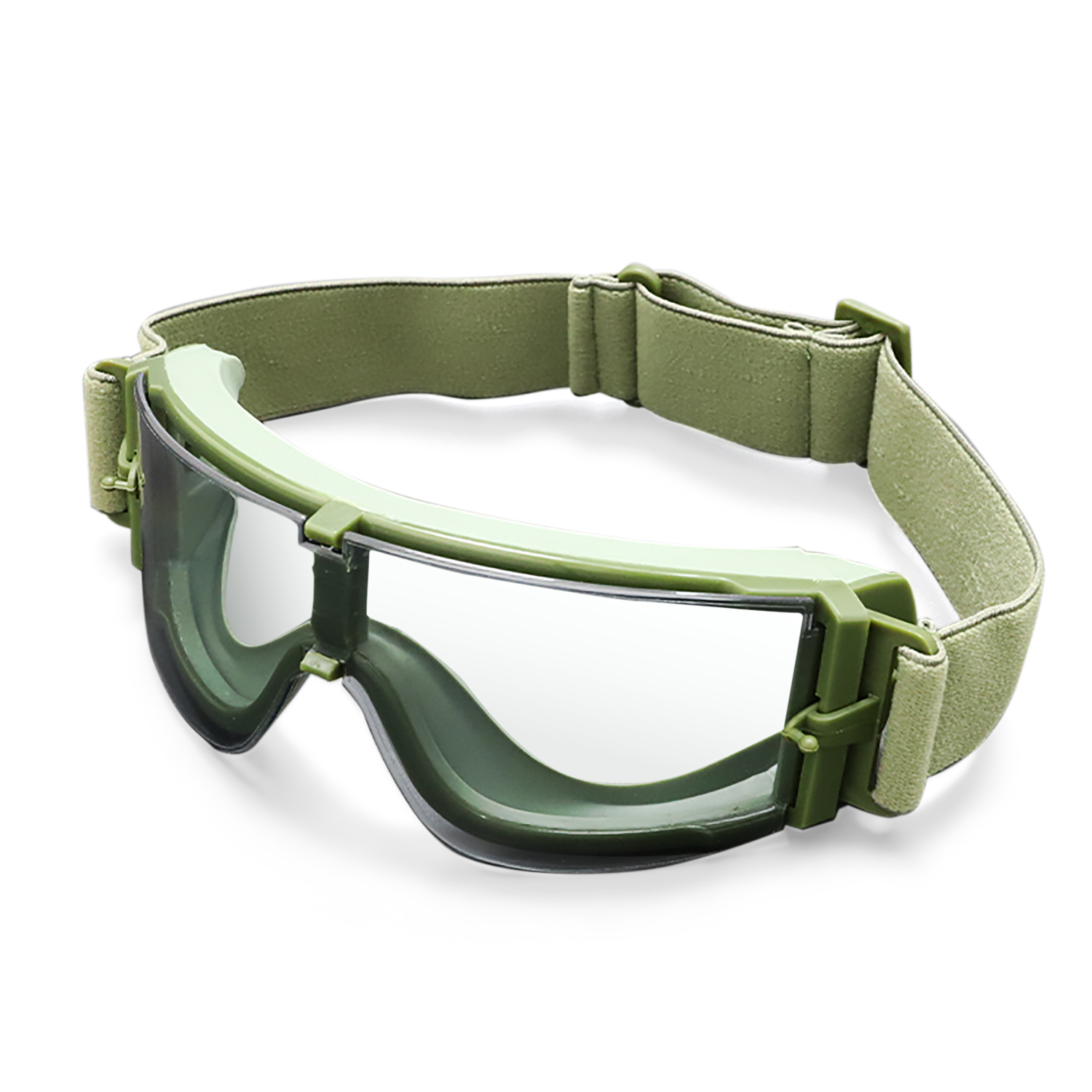
Step up—your eyes take hits others don’t even notice. Cyclists need eyewear that blocks glare, resists shrapnel-level impacts, and stays put through sprints and potholes. I’m comparing road-focused designs with duty-rated options so you pick gear that matches your ride intensity. Start here: tactical goggles anchor standards you should expect from premium models.
Core specs that actually change outcomes
Ignore marketing fluff. Look for verified features: ballistic rating or fragmentation certification, polarization for glare control, and UV400 for full-spectrum protection. Lens material matters—polycarbonate balances weight and impact resistance. Fit features like wraparound frames and secure temple arms prevent lens rotation during crashes. Anti-fog coatings and venting keep vision clear when you push tempo. Standards such as ANSI Z87.1 and military specs like MIL-PRF-31013 guide fragmentation testing and tell you whether a pair is built for real stress.
Side-by-side: commuter, racer, and all-purpose tactical picks
Match the tool to the job. Commuter cyclists benefit from lighter, polarized lenses with solid UV400 protection and good peripheral coverage—think comfort and daily durability. Racers want minimal drag, high-contrast tints, and secure temple grip for out-of-the-saddle efforts. Riders who cross over into trail or urban rough-and-tumble need fragmentation-rated frames that survive flying debris and accidental impacts.
Compare trade-offs: duty-ready frames sacrifice a fraction of sleekness for armor-like durability. Road frames save grams and improve aerodynamics but may lack certified fragmentation resistance. For many riders, the sweet spot is a reinforced, polarized lens with a proven ballistic rating—this is where you find the best balance and why shoppers often end up searching for the best tactical goggles that blend both worlds.
Common mistakes cyclists make
Buy based on looks or price alone—big mistake. Picking ultra-dark tints for all conditions reduces visibility at dusk. Choosing thin frames to save weight can cost you on impact resistance. Also, skipping fit checks means frames slide under sweat and sudden turns. Test on-ride stability and inspect lens mounting for secure rivets or robust bezels; a loose lens is a liability.
Quick buyer checklist
When you shop, verify these items: certified fragmentation or ballistic rating, polarization plus UV400, polycarbonate or Trivex lenses, and a return policy that lets you test fit on the bike. Lightweight retention systems—rubberized temple tips or adjustable straps—are worth their weight in safety and confidence.
Three golden rules for choosing the right pair
1) Prioritize certified impact resistance over style. If you ride fast or in debris-prone zones, fragmentation certification is non-negotiable. 2) Match lens tech to environment: polarization for glare-heavy roads, contrast tints for variable light, and anti-fog for humid commutes. 3) Validate fit through movement tests: sprint, tilt your head, and simulate a wipe—frames that shift will fail when you need them most.
Closing advice and practical next step
Measure your risk profile, then pick a frame that answers it without compromise. Professionals expect reliable metrics—ballistic rating, UV400, and secure fit—and you should too. For riders wanting pro-level protection without overkill, look at brands that test to recognized specs and offer field-proven designs. YIJIA Optical brings those testing practices and design trade-offs into clear-sighted choices for cyclists and tactical users alike.
—built to ride, built to protect.