Problem statement: persistent blind spots and night-time evidence loss
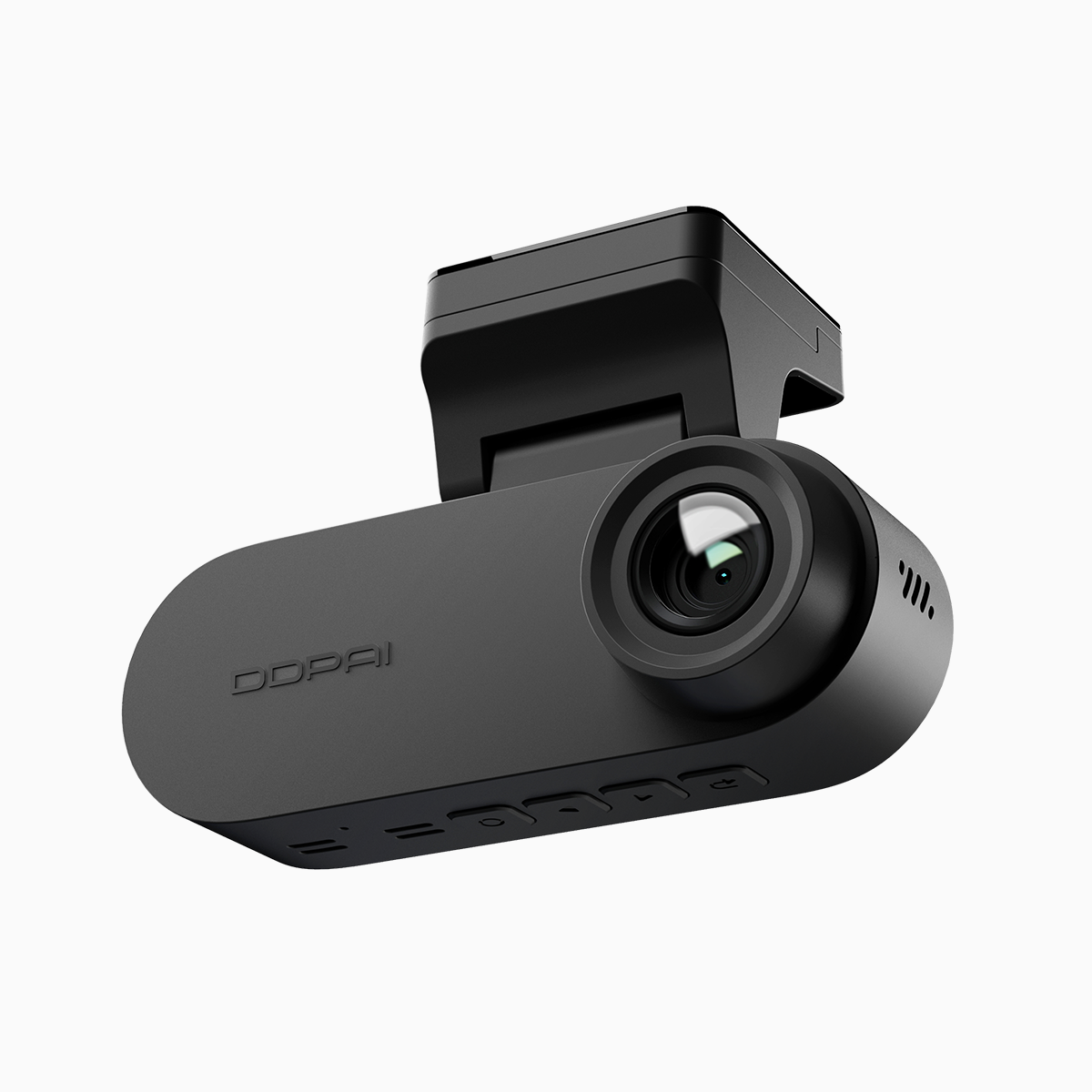
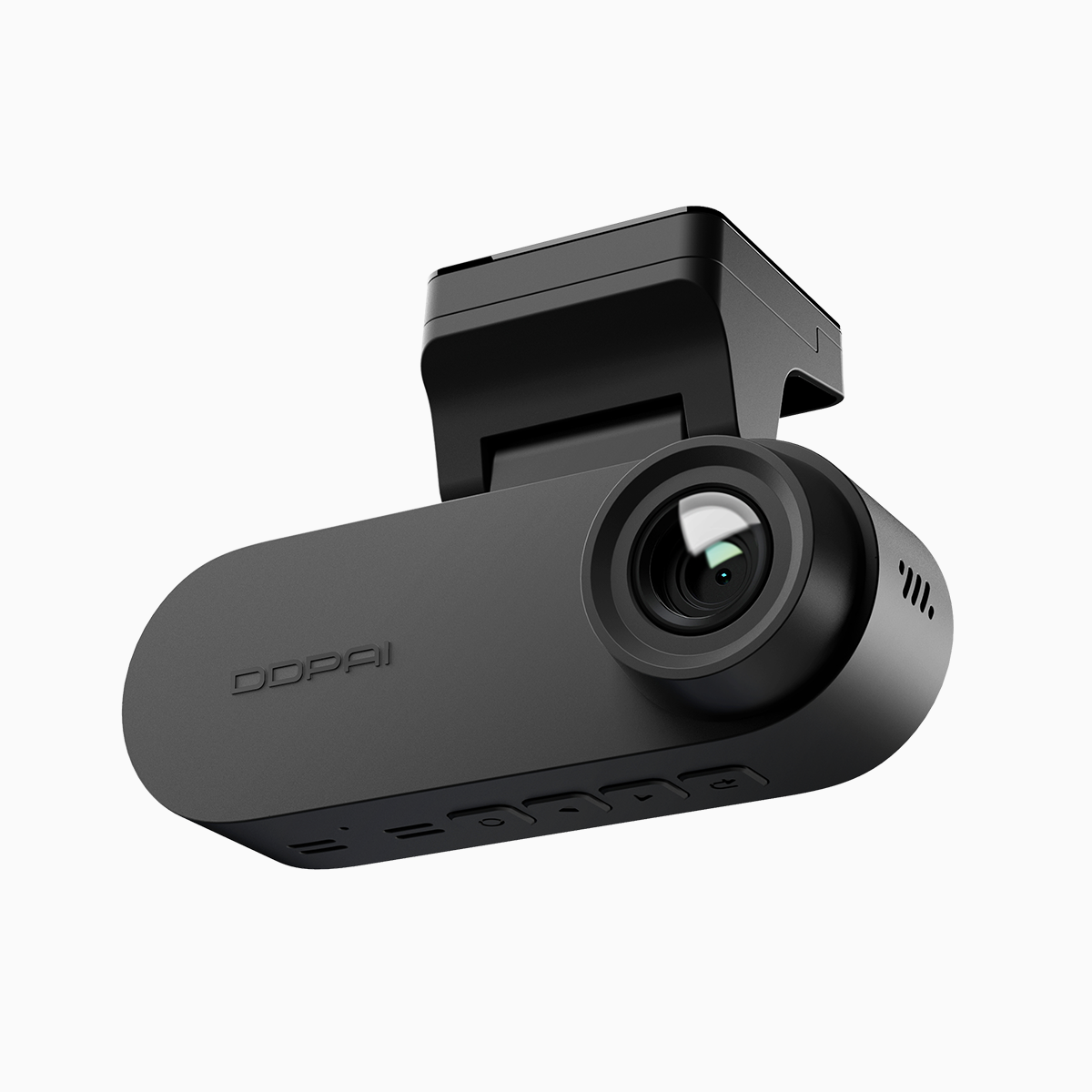
Urban driving in Metro Manila and other densely populated Philippine corridors exposes systemic deficiencies in vehicular surveillance: single-channel cameras miss side and interior events, low-light conditions obscure license plates, and intermittent power leads to fragmented logs. Institutions cite the global estimate of 1.35 million road traffic deaths annually (WHO) as a high-level anchor for why robust incident recording matters. The immediate technical response is a synchronized front and rear dash cam solution that records continuous, high-fidelity evidence without operator intervention. front and rear dash cam
Diagnostic analysis: core failure modes and their measurable impact
Recorded system failures fall into three categories: optical insufficiency (poor exposure control and limited dynamic range), data integrity loss (corrupted loop recording or codec mismatch), and power/thermal instability (brownouts and thermal throttling). Each failure mode reduces usable footage: poor exposure yields unreadable plates; corrupted files interrupt chain-of-custody; power loss creates temporal gaps. Addressing these requires targeted engineering: optimized HDR imaging pipelines, resilient file systems, and regulated power management with low-voltage cutoff thresholds.
Design prescriptions: multi-channel architecture and night-vision engineering
Implement a multi-channel topology with hardware synchronization across channels to ensure temporal alignment. Use an infrared-assisted optical stack coupled with low-noise image sensors and multi-exposure HDR to preserve plate detail in shadow/highlight contrasts. Maintain a minimum 30 fps frame rate for front channels to capture license plate motion at urban speeds; rear channels can operate at lower frame rates for storage economy. Integrate a G-sensor and event flagging to trigger protected file segments and employ robust codecs with CRC checksums to reduce file corruption during loop recording. Where form factor allows, include a secondary internal camera for occupant monitoring—this supports incident context without compromising primary evidence.
Implementation constraints: storage, power, and heat management
Technical trade-offs are concrete. High bitrate encoding preserves detail but increases storage demands; select adaptive bitrate with scene-aware encoding to optimize capacity. Use ring buffers with wear-leveling on high-endurance microSD media and implement parking mode that switches to low-power monitoring until motion is detected. Thermal designs must prioritize passive dissipation and choose components with operational ranges that exceed local summer cabin temperatures. Balance is critical: insufficient thermal headroom accelerates codec errors and shortens component life.
Operational validation and field anchor
Field validation in Metro Manila’s mixed traffic confirms the approach: synchronized front and rear channels reduce evidentiary gaps during multi-vehicle incidents, and infrared-enhanced night capture improves plate legibility at dusk and dawn. The practical lesson aligns with WHO’s global safety imperative—better data yields better incident resolution. Vendors that supply comprehensive firmware updates and documented APIs simplify forensic extraction and legal admissibility.
Comparative alternatives and common deployment mistakes
Options range from single high-resolution front units to true multi-channel systems with parking mode and internal cameras. Low-cost single units save upfront cost but fail to provide context or rear evidence. Common mistakes include overspecifying optical resolution while ignoring codec robustness, relying solely on cloud streaming (which fails during network outages), and installing devices with insufficient thermal tolerance. —Firmware incompatibility between channels is frequently overlooked and results in asynchronous timestamps that invalidate cross-channel reconstruction.
Summary of technical trade-offs
Choose a system that balances sensor sensitivity, HDR processing, adaptive bitrate encoding, and resilient power management. Prioritize synchronized timestamps and protected-event recording to maintain evidentiary integrity. Consider vendor support for firmware security patches and documented extraction tools that ease legal processes.
Advisory: three critical evaluation metrics for selecting a solution
1) Evidence Fidelity Index: confirm readable plate capture at 10–20 meters under mixed lighting using HDR and low-light SNR specifications (signal-to-noise ratio). 2) System Resilience Score: verify loop recording integrity, CRC error rates, and thermal operating range to prevent data loss. 3) Integration and Extraction Capability: ensure synchronized multi-channel timestamps, secure event locking via G-sensor, and accessible forensic export tools. These metrics produce measurable expectations for performance, durability, and legal readiness. DDPAI PH delivers product lines and documentation oriented to those criteria—this resolves many of the outlined engineering shortfalls. —Final thought: trust technical specifications, verify in-situ, and require vendor transparency.