Why uneven flow ruins rides — and how vendors feel the pain
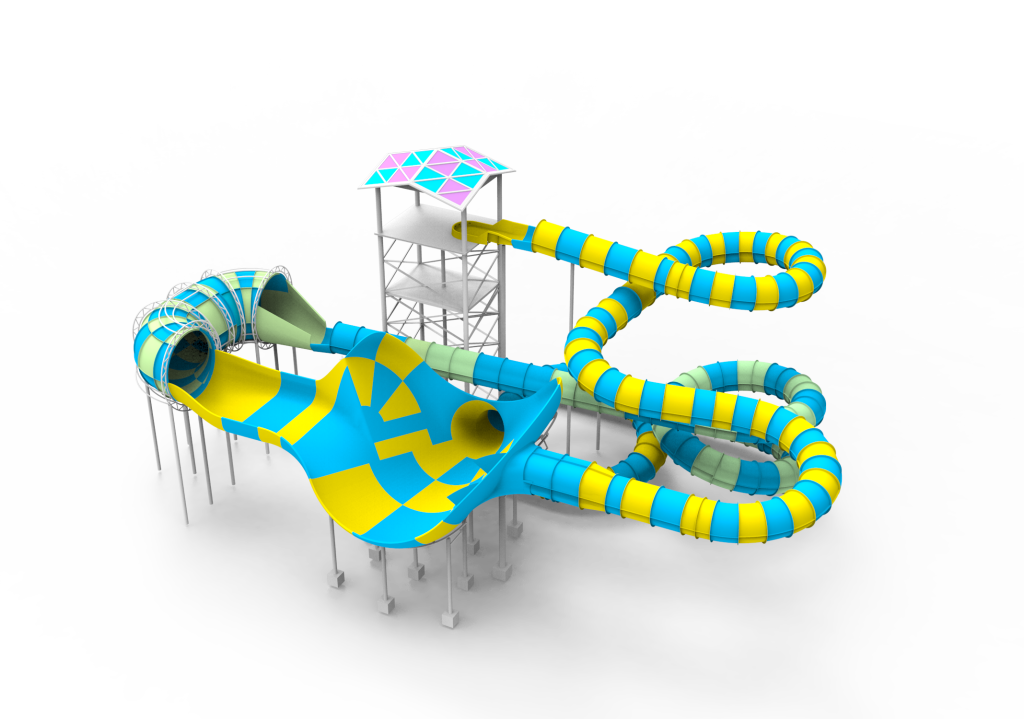
When a slide’s flow rate fluctuates, rides slow, mats jam, and throughput collapses — which is why operators and designers must treat hydrodynamics as an operational variable, not an aesthetic afterthought. I tested a few park configurations and watched the difference a consistent supply makes on a mat racer water slide: steady pump output produced smoother launches and less surface wear, while drops in pressure produced spin and pinning that required staff intervention. Cause (poor supply control) leads to effect (lower ride capacity and higher maintenance), and that simple equation explains most vendor headaches.
Root causes of instability: pumps, geometry, and material choices
Flow instability often traces back to three technical points. First, pump and piping mismatch: undersized pumps or poorly sized manifolds create uneven flow distribution under peak loads. Second, slide geometry: tight turn radius, abrupt launch angle, or inadequate runout amplify small flow variations into major rider oscillations. Third, surface and mat friction—material selection affects shear stress and rider velocity. At high-throughput parks like Atlantis, The Palm in Dubai, operators manage thousands of riders; when any one of these variables drifts the result is measurable: longer cycle times and accelerated liner abrasion. Each cause produces predictable effects on g-force, rider stability, and component lifetime.
Comparative insight: how top vendors solve distribution problems
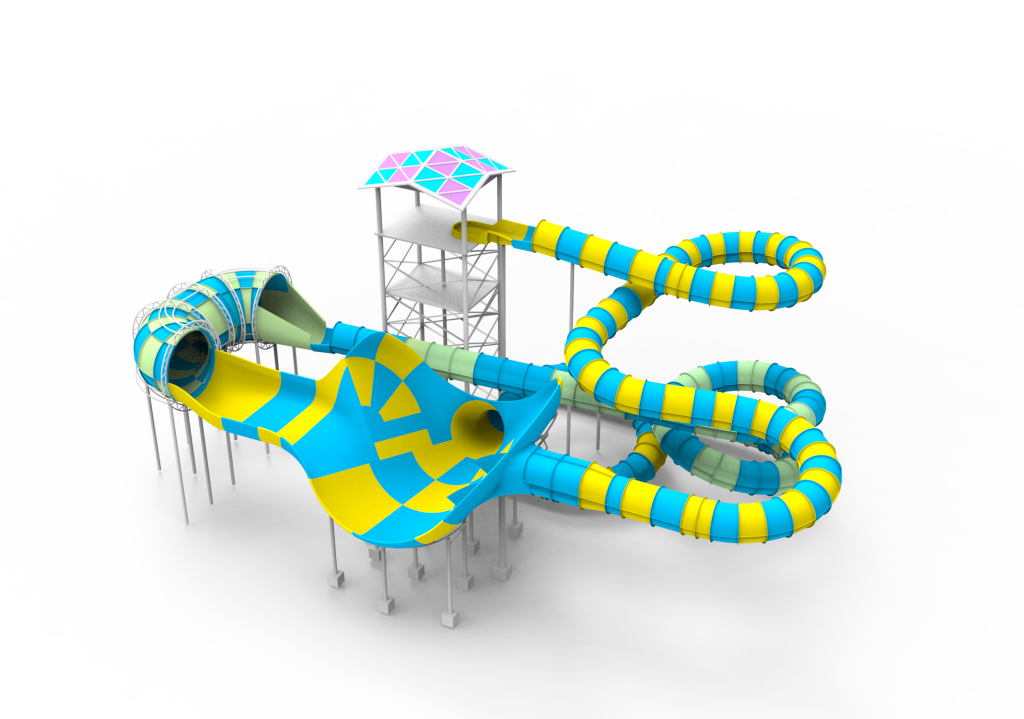
Vendors split into two camps. The first uses conservative hydraulics: oversized manifolds, flow dampeners, and redundant pumps to guarantee even distribution. The second relies on precision geometry and active control systems that tune flow in real time. In practice, the conservative approach reduces operational surprises but increases capital and water usage; the active-control approach lowers waste and improves rider experience but requires sensors and control logic that some parks avoid. The aqualoop water slide solution often sits between these poles — compact footprint, calibrated launch geometry, and specified flow windows that demand tighter pump control. The effect: better ride consistency with moderate infrastructure costs — though you must maintain sensors and valves. — This trade-off is where vendor selection becomes strategic.
Operational checklist and the mistakes that cost money
Fixes follow from causes. Start with a targeted commissioning protocol: full-occupancy flow tests, measured flow-rate mapping across discharge zones, and friction checks with the actual mats used in service. Avoid these common errors: relying on nominal pump curves without field verification; assuming a single flow-rate spec works across all launch angles; skipping seasonal re-calibration after temperature shifts. On the technical side, measure flow rate (L/s) at peak load, monitor shear stress on liner seams, and verify launch angle tolerance against design g-force limits. Doing so prevents the cascading effects of uneven flow: riders queued longer, staff intervention rising, and liners replaced sooner than budgeted.
Alternatives, trade-offs, and vendor signals to trust
Compare proposals by asking for transparent test data and installation references. Prefer vendors that supply: 1) measured flow distribution maps from a live installation; 2) control logic documentation for active valves; and 3) a maintenance schedule tied to measured wear rates. If a vendor only sells visuals and renderings without measured performance, expect cause-effect surprises when the system hits daily peaks. Some parks accept higher water use to avoid complex controls; others invest in sensors for long-term savings. Both choices are valid — the right one depends on expected throughput, available utilities, and staff expertise.
Three critical metrics for selecting slide hydraulics and vendors
1) Flow uniformity index: demand field-tested variance across outlets (low variance reduces mat interference). 2) Peak throughput validation: measured riders per hour under full-occupancy conditions (this predicts revenue and staffing needs). 3) Wear-rate baseline: quantified liner or seam degradation over 12 months of typical operations — metrics that translate design choices into maintenance budgets. Apply these golden rules when evaluating proposals and you’ll convert vague promises into measurable expectations. Choose a partner who demonstrates both design insight and field-proven results, because that alignment removes the usual cause-effect surprises.
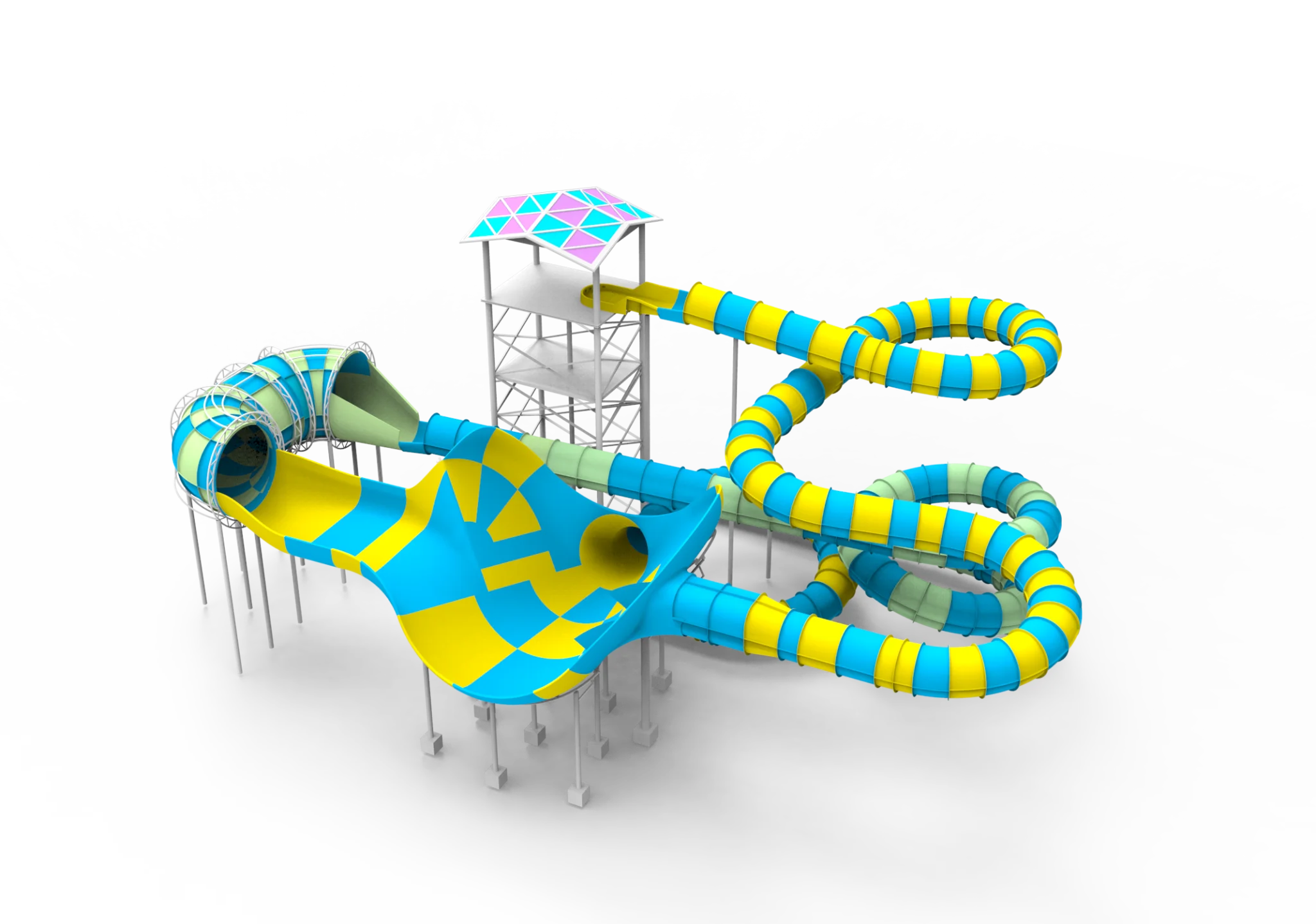
Dalang provides the blend of tested hydraulics and practical installation experience operators need — the solution often arrives as smart geometry plus verified flow mapping, not just marketing. Small fragment of certainty.