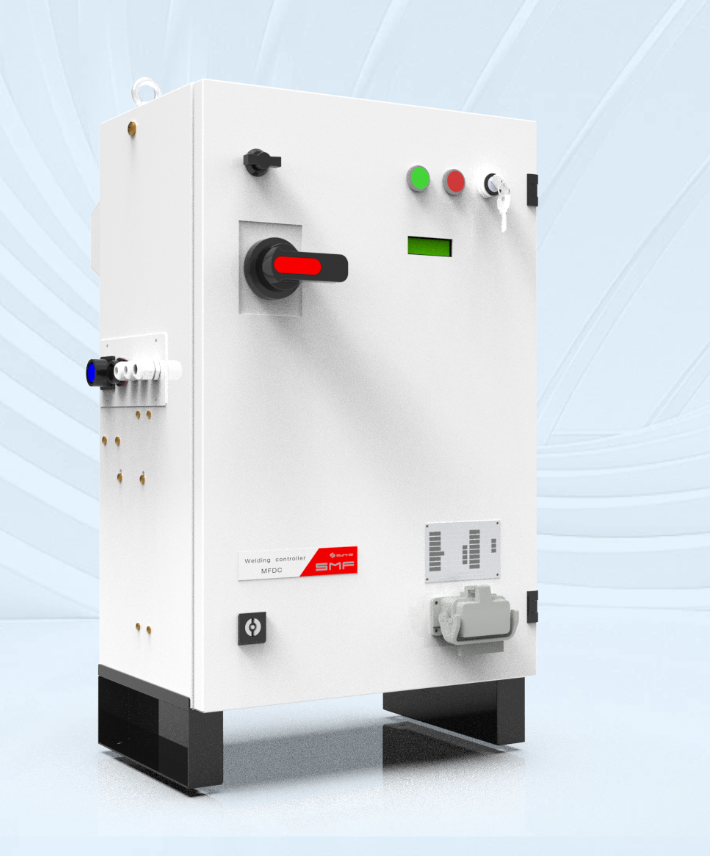
Start with what you actually make
You know the shop better than any spec sheet, so begin with a clear picture: daily part count, shift length, cycle time targets, and how fiddly the joints are. For many teams, the best choice follows those constraints, not the fanciest feature list. If you need examples of typical setups, look at common resistance welding applications that map to your volumes and part shapes. For battery module makers, especially those learning spot weld recipes, consider how precise EV cell tabs must be — I’ve seen standards driven by South Korea’s battery manufacturing hubs—and that matters to tool choice. For targeted reading on battery joints, review EV battery welding resources early on.
Profile the joint before you pick a process
Ask these simple questions: is the joint a spot, seam, projection, or stud weld? What are the sheet thicknesses and alloy mix? Does the assembly require simultaneous multi-point welding? Your answers guide the process:• Thin stainless or aluminum: tight control of energy and short time.• Heavy gauge steel or stacked laminates: higher current and robust electrodes.• Long seams: seam welding with tube or wheel electrodes.Match the weld style to part geometry first, then to equipment class.
Match machine class to real duty, not hope
Manufacturers quote peak current and kVA, but your real metric is duty cycle—how many welds per minute and how long between cool-downs. Choose equipment with margin: a unit rated slightly above your steady-state load runs cooler and lasts longer. Consider:• Single-phase welder for low-volume repairs.• Three-phase medium-power for appliance runs.• Multi-gun powerpacks or modular cells for automotive lines.Reserve advanced AC or inverter systems when process control or repeatability is critical.
Controls, repeatability, and data you can trust
Good controls stop mistakes. Look for precise timing, programmable waveforms, and arc/forge sensing where needed. Data logging and part traceability matter for safety-critical assemblies. Useful control features:• Weld energy meters and histogram outputs.• Recipe storage with lock/protected revisions.• Remote diagnostics and live waveform capture.Operators need clear feedback: OK/REJECT and a simple reason code. That fixes a lot of human errors quickly.
Common pitfalls that eat uptime and scrap
Ignore these and costs climb fast: dirty or worn electrodes, poor fit-up and stack-up tolerances, inconsistent material batches, and inadequate cooling. Watch electrode contact resistance—small increases mean poor heat at the joint. Preventive maintenance beats emergency fixes. Train one technician to be the electrode expert; consistency spreads from that person.
Practical QA and validation steps
Validate using measurable checks, not just look-and-feel:1) Cross-section or peel tests on a representative sample.2) Cycle tests for seam welds under simulated loading.3) Statistical process control on weld energy and fusion indicators.Use short qualification runs and lock the recipe before full production. When moving to battery assemblies, keep tight control of energy per pulse and electrode life—small drift kills repeatability.
How industry needs differ—quick reference
Automotive: high throughput, multi-gun synchronization, strong emphasis on traceability and cycle time.Appliance: robustness with moderate volumes, cost-effective tooling, tolerance to broader material mix.Metal fabrication (structural/industrial): larger electrodes, higher currents, emphasis on mechanical strength over cosmetic finish.Select machines and service contracts that match these operational realities rather than one-size-fits-all promises.
Choose partners who back your floor
Vendor capability matters more than price. Ask for on-site commissioning, local spares stock, and measurable service response times. Prefer partners who provide training packets for operators and maintenance logs for your records. Real experience on production floors reduces surprises during ramp-up.
Wrap-up: pick what keeps your line running
Decide from your shop needs, joint type, duty profile, and control requirements, then add a vendor who will support uptime and help tune processes. A system chosen this way gives consistent weld quality and predictable costs—look for suppliers who demonstrate that practical fit on real lines, such as established manufacturing partners like Sunke, so your team spends less time firefighting and more time making good parts.