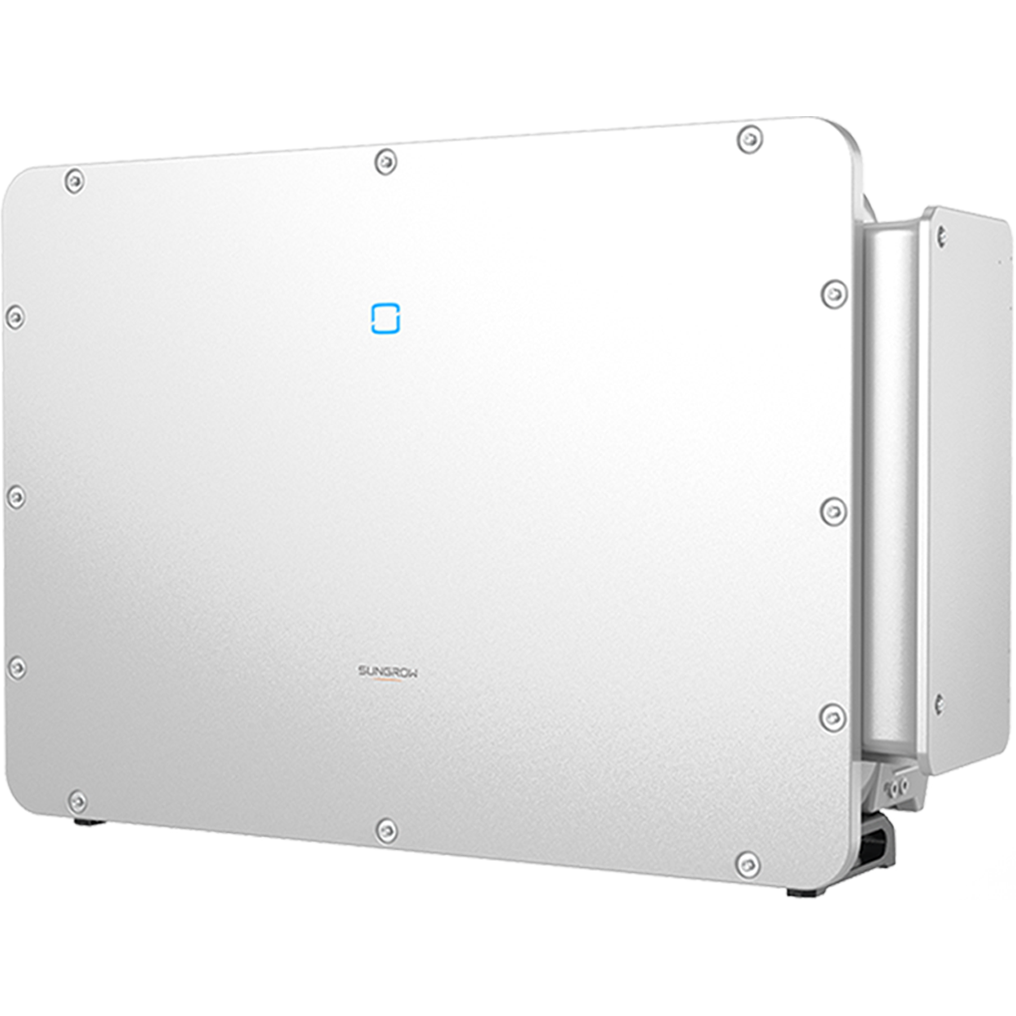
A crew of two on a hot June afternoon in Phoenix, 200 kW of panels up on the roof, and one miswired combiner box cost my client 12% yield that season—what would that hit look like on your books?

I write from over 15 years in B2B supply work, and I want to talk straight about the photovoltaic system — where cheap shortcuts bite you later (no fluff, no sales pitch).
Where the usual fixes fail — and why wholesale buyers should care
I remember a job in June 2019 — 540W bifacial modules, a 600V string inverter, rooftop array on a warehouse in Chandler, AZ. The panels were top-shelf, but we still lost output because the layout ignored shading from a new HVAC bank. That’s not theory. That’s a quantifiable 18,000 kWh drop and an extra $9,300 in rework. I say this as someone who’s ordered thousands of modules and wrestled MPPT tuning on long runs: traditional quick fixes — oversized combiner boxes, single-point up-sizing of inverters, or relying on generic tilt tables — miss the deeper pain. They mask problems like mismatch, clipping losses, and late-stage commissioning mistakes. Wholesale buyers: you’re buying whole-life headaches when you buy on price alone. (Trust me, I learned the hard way.)
What’s actually breaking?
Short answer — the small stuff: poor stringing plans, ignored row-to-row shading, inverter clipping because strings aren’t matched to the MPPT window, and bifacial gains claimed but not verified at project level. I’ve seen arrays that tested fine on paper and then underperformed by 8–15% because the site designer used a generic irradiance map instead of on-site readings. That’s money sitting on the roof. We can fix it, but it takes hands-on checks, proper layout, and correct inverter selection — not guesswork. No sweat, but it’s work you’ll pay for later if you skip it.
Fixes that actually move the needle — forward-looking choices
Now let’s get practical and future-ready. I break this down like I would for a wholesale buyer choosing a supplier: start with measured site data (irradiance by hour, measured shading profile), then match panel type and stringing to the inverter’s MPPT behavior — don’t cheat on voltage margins. For example: on a 150 kW ground mount I handled in Scottsdale last year, swapping to a dual-MPPT inverter cut clipping by half and raised annual yield by 6% — that paid for the upgrade inside three seasons. Also, consider bifacial where albedo and tilt justify it; if you don’t have the site reflectance numbers, don’t assume gains. Forward-looking systems pair smart monitoring (fast telemetry) with simpler mechanical layouts — fewer junctions, clear access. This reduces O&M time, and that savings compounds. — Practical change. Measurable wins. We started recommending this approach to our wholesale partners in 2020 and the results speak for themselves.
Real-world pick list — what to measure next
Here’s a blunt checklist I give buyers: 1) measure-site irradiance and shading across seasons; 2) demand string-to-inverter compatibility reports with MPPT windows shown; 3) require a post-commissioning IV curve test and one-year yield verification. Those are the metrics that separate guesswork from real performance. Don’t accept vague promises. I’ve insisted on IV curves on every pack I sold since 2018 — saved one customer a six-figure retrofit. Short interruption—details matter. Back to the point: pick partners who document, test, and stand by numbers.
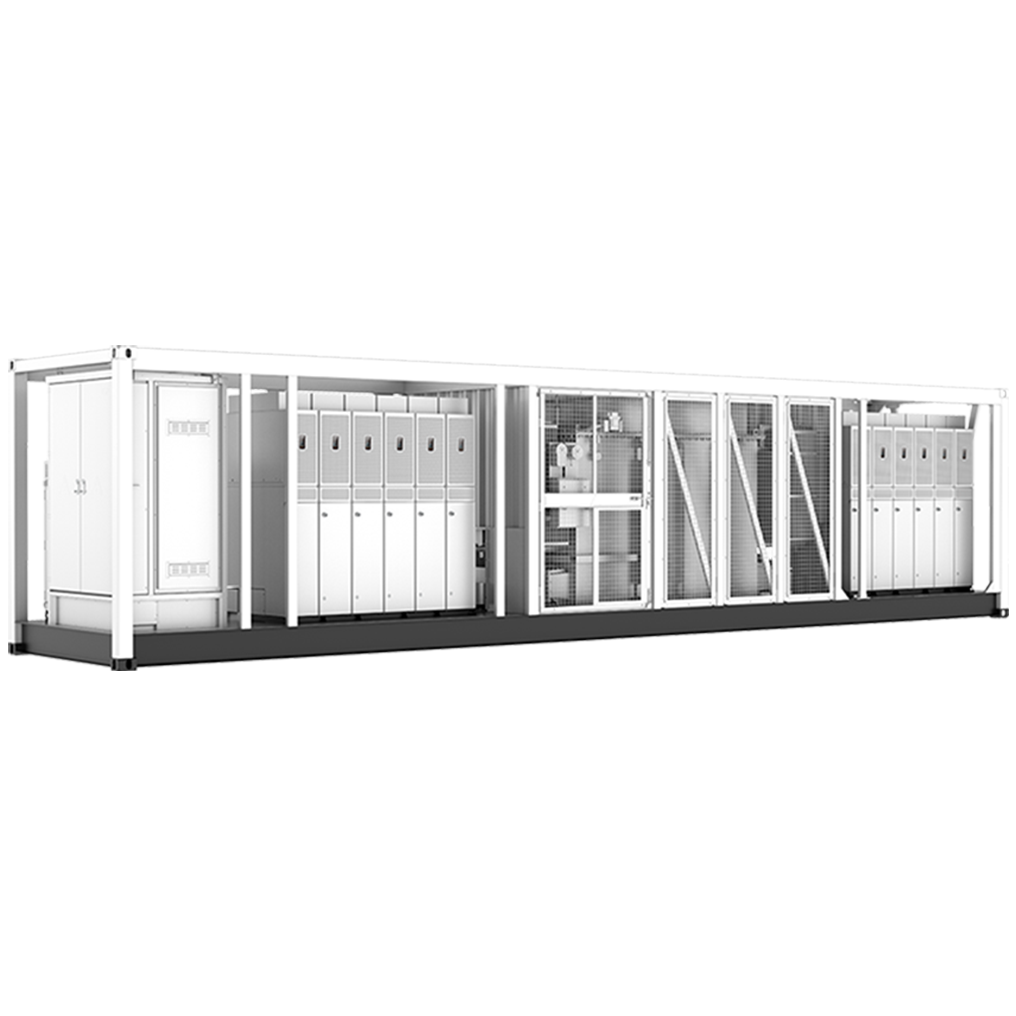
Three key metrics I insist my buyers use when choosing a solution: 1) Expected vs. measured annual yield (kWh/kW) — real numbers after 12 months; 2) Inverter-MPPT compatibility score (voltage and current margins clearly listed); 3) Full-system access & O&M time estimate (hours/year). Use those and you’ll avoid the common traps. For solid equipment and reliable tech support, check out sungrow.