technooloop
  • Home
  • Design Update
  • Business
  • Global Trade
  • Industry
  • Market
  • Tech
Industry

Automation Technology Solutions for EV Battery Lines: A Comparative Insight

by Frank August 30, 2026
written by Frank

Opening comparative snapshot

Modern factories choose systems by trade-offs: throughput versus traceability, deterministic control versus flexible orchestration. For battery lines that must manage cell handling, formation cycling and pack assembly, the split often sits between hard-real-time PLC/robot-centric stacks and software-first MES/IIoT deployments; both models are core to battery manufacturing automation and shape how factories handle cycle data, QC gates and material genealogy for each cell. If you’re evaluating options for ev battery manufacturing, start by mapping which constraints (latency, traceability, throughput, safety) dominate your line — that axis will decide whether you lean hardware-first or software-first.

battery manufacturing automation

Control layer: PLC/PAC + robotics vs edge-native controllers

Compare the deterministic stack (PLC/PAC + motion controllers + industrial robots) with edge-native controllers that run containerized apps and local ML inference. Deterministic stacks win on cycle-timed sequences, hard I/O and certified safety (SIL/PL); they’re predictable for precise welding, dispensing and handling. Edge-native controllers give richer local analytics, easier OTA updates and faster fault diagnosis. Key protocols: OPC UA for semantic exchange, EtherCAT for low-latency motion, MQTT for telemetry. Decide by the task: spot welding, laser welding and high-speed pick-and-place favor deterministic I/O; inline vision inspection and adaptive torque/fill control favor edge inference.

Execution and operations: MES + LIMS vs integrated SCADA architectures

Manufacturing Execution Systems (MES) paired with Laboratory Information Management Systems (LIMS) provide end-to-end traceability and test-data provenance required for cell qualification and aging records; they enforce recipe versioning and batch genealogy. Integrated SCADA-centric architectures keep tight supervisory control and HMI consistency across cells and packs. Practically, MES-driven approaches are better where regulatory traceability and audit trails matter; SCADA-first solutions often give faster operator feedback loops on the line floor. Prioritize MES when you need batch-level certification and LIMS when cell chemistry test records must be retained and cross-referenced.

Sensing, vision and test: what differentiates solutions

Vision systems, inline impedance/voltage testers, leak detectors and thermal imaging create the data fabric that separates reliable lines from noisy ones. Comparative points: single-camera high-frame-rate inspection vs multi-view AI ensembles; contact impedance benches versus non-contact surface acoustic methods. The practical metric is false-reject rate and mean-time-to-detect. Systems that couple deterministic triggers (hardware interlocks) with probabilistic models (ML confidence scores) reduce manual rework without increasing escapes.

battery manufacturing automation

Data architecture and lifecycle: edge-store-forward vs cloud-native SIEM

Two patterns recur: keep time-series and trace data local (edge-store-forward) to guarantee millisecond responses and maintain availability inside dry rooms, or stream everything to cloud SIEM/analytics for cross-factory benchmarking. Use OPC UA aggregated at the edge, normalize to a canonical schema, then push delta payloads to cloud for long-term analytics and fleet-level KPIs. Encryption at rest and transit, deterministic timestamps and immutable test records are non-negotiable for auditability and warranty claims.

Common implementation pitfalls

Teams often pick one dominant stack and assume it covers downstream needs; integration debt shows up as manual data exports, mismatched timestamps and lost genealogy. Avoid these mistakes: skip a unified identifier for cells/packs; ignore deterministic timebase across devices; treat vision confidence as binary. Test the integration by running simulated fault injects and verifying that traceability and quarantine workflows complete without human intervention.

How to choose — a short decision rubric

Match technical constraints to business outcomes: if you require sub-millisecond motion sync and certified safety, favor PLC/robot stacks with certified motion controllers; if you need rapid algorithm iteration and cross-line analytics, favor an edge-native + MES architecture. Consider occupational safety rules and automotive functional safety standards; designs that account for ISO 26262-relevant interfaces reduce rework. Real-world learning: teams who visited the Tesla Gigafactory in Nevada report the operational emphasis on integrated traceability and formation-cycle control as a decisive factor when scaling production.

Final synthesis

Comparing solutions means trading control determinism against software agility, but both must deliver the same three concrete outcomes: accurate cell genealogy, reproducible formation cycles, and actionable fault isolation. Choose architectures that lock identifiers to hardware events, timestamp everything to a common clock, and couple deterministic interlocks with probabilistic inspection. Those choices compress warranty risk and downstream validation costs, which is where integrated partners and platform expertise matter—just as a pragmatic engineering partner like FHS demonstrates by aligning control, data and QA layers into coherent, auditable lines.
Market

Compact Moving Heads Deliver Big Impact for Dynamic Stage Shows

by Margaret August 30, 2026
written by Margaret

Start with what matters to your show

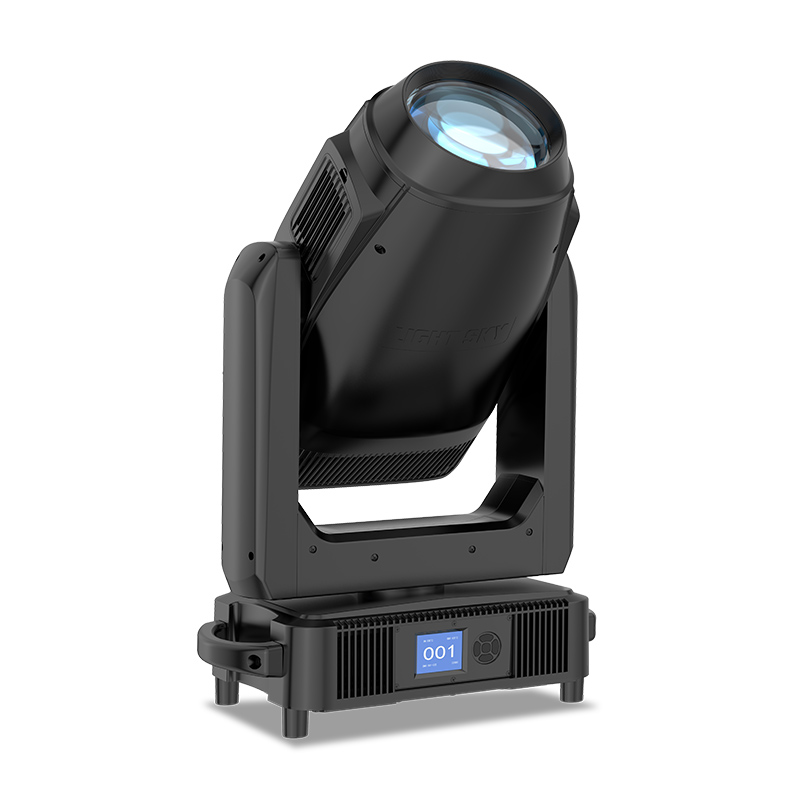
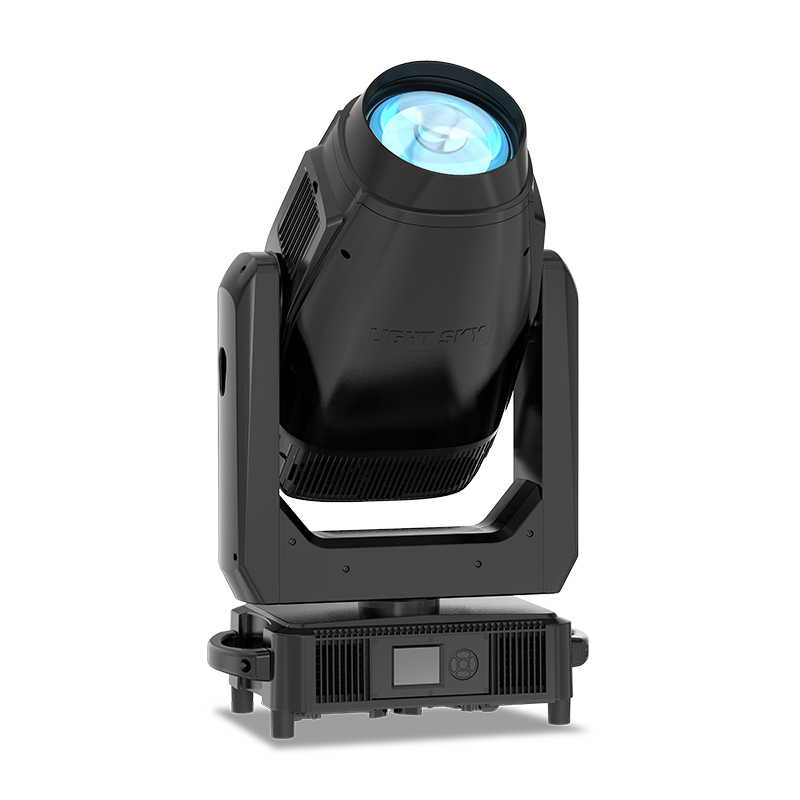
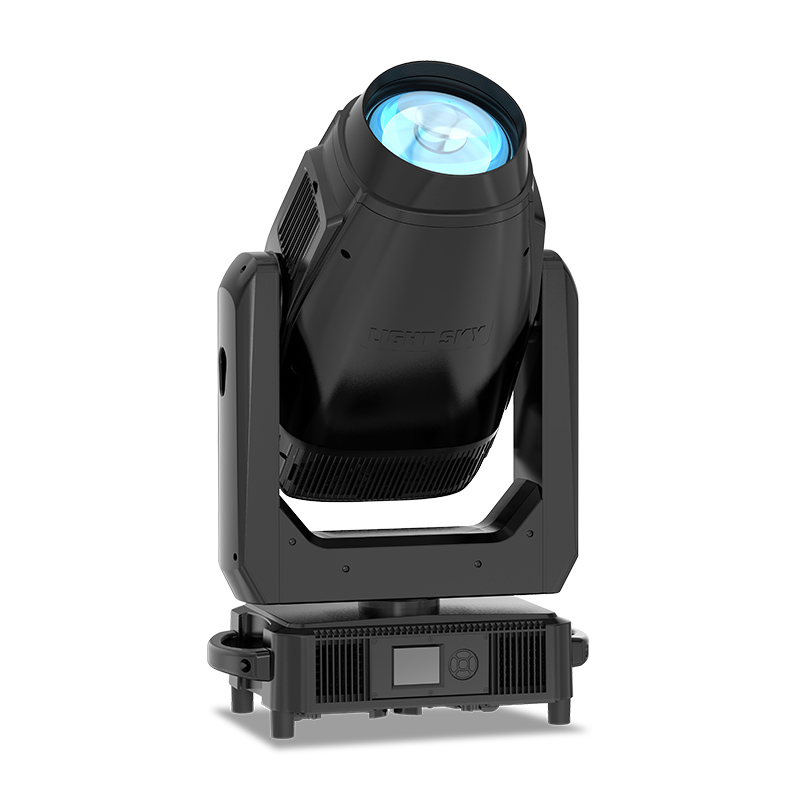
If you care about tight sightlines, fast cues, and a crisp beam that doesn’t eat your stage, start by thinking like the operator — not the catalog. For many small- to mid-sized productions, a compact fixture such as the 520W LED BSWP 4in1 Moving head hits the sweet spot: high lumen output, quick pan/tilt response, and a small footprint. This user-centric view keeps decisions practical — you want fixtures that serve choreography, clear sightlines, and a predictable DMX patch.

520W LED BSWP 4in1 Moving head

Match fixture capabilities to your goals

Know the job before you chase specs. Are you creating razor beams that cut through haze, soft washes, or rapid color chases? Beam angle, zoom range, and gobo options determine that outcome. A tight beam with a narrow beam angle and robust zoom gives you the kind of shaft that slices through stadium haze; broader zoom and diffusion create flattering washes for actors. If your rig must be flown or tucked into a tight truss, compact moving heads save time and weight — and that matters when load-in windows are short.

Real-world thinking: venues and workflows

From club tours to corporate stages — and even arenas like Madison Square Garden where large rigs are the norm — lighting designers often rely on smaller moving heads to fill gaps and add texture. These fixtures act as supplements to big beams: flexible, nimble, and less taxing on rigging. Drawing on hands-on rigging and front-of-house experience, prioritize units that communicate clearly over DMX, have consistent color temperature across fixtures, and predictable pan/tilt profiles so programming stays efficient.

520W LED BSWP 4in1 Moving head

Common mistakes to avoid

Many teams buy based on wattage alone — that’s a trap. Lumen output matters, but optical design, beam angle, and secondary optics define perceived brightness on stage. Don’t ignore serviceability: fixtures with accessible lamp modules, clear fan intake paths, and modular electronics save hours under deadline. Also, avoid mixing too many fixture families without addressing color calibration; mismatched color temperature makes otherwise cohesive looks fall apart — costly in rehearsal time.

Alternatives and complementary tools

Mini moving heads are rarely the only answer. Static LEDs, ellipsoidals, and wash lights still play key roles. Use moving heads for dynamic accents and framing, static fixtures for consistent washes, and followspots or profile spots where tight focus and gobos are essential. If beam work is your aim, consider pairing compact moving heads with a dedicated moving head beam light — the combination gives both punch and flexibility without overspending on large-hotel-grade fixtures.

Practical checklist before you buy

– Confirm power and rigging limits at your venue; weight and circuit count matter. – Test pan/tilt speed and response under real programming conditions — some fixtures stutter at high-speed cues. – Verify color consistency and gobo sharpness across multiple units; small variation scales up in a multi-fixture look. — a quick onsite test beats specs on paper every time.

Three golden metrics to evaluate compact moving heads

1) Light quality per watt: measure effective lux at your typical throw distances, not just raw wattage. 2) Reproducibility: how closely matched are color temperature and beam spread across identical units during a full show cycle. 3) Serviceability index: average time to swap common parts (fans, power supplies, LED modules) and availability of local tech support.

Final thought

Choose fixtures that make programming simpler and rehearsals shorter — that’s the real return on investment. Think practically, test visibly, and let small, well-matched moving heads do the heavy lifting for dynamic looks. Light Sky. –

Business

Experiência em inovação: comparativo prático da configuração da Aion V

by William August 28, 2026
written by William

Curioso pelo modo como configurações técnicas transformam a experiência ao volante, começo por comparar a Aion V com o que o mercado oferece hoje — olhando além do marketing e direto às escolhas de projeto. A Aion V, desenvolvida pelo grupo de Guangzhou, surge como um concorrente relevante entre SUVs elétricos; confira detalhes no site oficial da Aion Auto para alinhamento com as especificações do fabricante. Este texto segue uma lógica comparativa: foco em atributos mensuráveis (autonomia, bateria, motor elétrico) e em como essas escolhas impactam uso real, desde deslocamentos urbanos até viagens mais longas.

site oficial da Aion Auto

O que medir antes de qualquer comparação

Antes de decidir, coloque na balança três categorias claras: eficiência (consumo e autonomia), experiência de uso (ergonomia, interface e software de gestão) e custos práticos (tempo de recarga e manutenção). Inclua também análise de plataforma e chassi — entenda se o veículo foi pensado para elétrica desde o início ou adaptado de uma plataforma a combustão. Num teardown operacional, integradores costumam anotar {main_keyword} e {variation_keyword} como termos centrais; aqui, traduzimos isso em pontos de verificação concretos.

Onde a Aion V se destaca — comparação direta

A Aion V costuma pontuar bem na combinação entre espaço interno e soluções de infotainment, fruto de uma arquitetura pensada para elétricos. Comparada a rivais internacionais, ganha espaço no custo-benefício em certos mercados, enquanto alguns concorrentes mantêm vantagem em rede de recarga ou em tecnologias de baterias mais amplamente testadas. Em termos práticos: se prioriza autonomia estável e recarga eficiente, verifique os parâmetros de carregamento rápido e a química da bateria — são fatores que definem a experiência em rotas longas.

Pontos fortes e compromissos

Vantagens típicas encontradas na Aion V:

– Interior pensado para habitabilidade, com bom aproveitamento de espaço e materiais competitivos.

– Interface e atualizações de software que melhoram a experiência ao longo do tempo.

– Preço posicionado para atrair quem busca EV com equipamentos modernos sem pagar prêmio de luxo.

Compromissos a considerar — e aqui vale frisar uma observação: redes de recarga variam conforme país e podem tornar qualquer bom pacote técnico menos prático fora de centros urbanos. — Além disso, disponibilidade de peças e pós-venda impacta custo real de propriedade.

site oficial da Aion Auto

Erros comuns ao avaliar SUVs elétricos

Muitos compram pelo número mais alto de autonomia anunciado, sem checar como esse número se comporta em uso cotidiano (ar-condicionado, velocidade de rodovia, carga). Outros ignoram o perfil de carregamento: um carregador doméstico lento pode transformar um período de férias em logística de recarga. Finalmente, não subestime a importância do software de gestão: atualizações OTA e integração com redes públicas mudam bastante a experiência prática.

Métricas decisivas — 3 regras de ouro

Ao fechar, use três métricas claras para comparar propostas e não se perder em especificações técnicas soltas:

1) Consumo real por quilômetro em ciclo misto — menos teoria, mais simulações com bagagem e ar-condicionado ligados.

2) Tempo efetivo de recarga útil (0–80%) numa rede pública compatível com seu uso base.

3) Maturidade do ecossistema de manutenção e atualizações (frequência de OTA e disponibilidade de peças).

Essas regras ajudam a transformar números promocionais em expectativas reais de uso.

Ao final, a Aion V aparece como solução pragmática para quem quer um SUV elétrico com foco em conforto e tecnologia prática; ela não é a melhor em todos os quesitos, mas resolve muitos problemas do dia a dia com economia inteligente — e é por isso que vale a checagem direta no fabricante: aion auto. —

Tech

Why Substation Switches Must Meet Millisecond-Class Specs for Resilient Smart Grids

by Joseph August 28, 2026
written by Joseph

The grid is moving from electromechanical signals to packets, and that shift puts clear pressure on substation gear to behave more like telecom equipment than old utility hardware. Utilities in the Midwest and beyond are already retrofitting relays and protection schemes so protection trips and automation logic talk over Ethernet with deterministic timing. For procurement teams this means paying attention to fiber optics — and to vendors such as optical module manufacturer who supply the modules that sit between switch ASICs and long-haul fiber. The lesson comes from history: large-scale outages like the 2003 Northeast blackout showed how single-point failures cascade when communications lag or fail, so latency and deterministic delivery matter just as much as raw throughput.

optical module manufacturer

The Problem: Latency Costs Lives and Equipment

Protection relays expect acknowledgments in sub-10 millisecond windows. When industrial switches introduce unpredictable delay or jitter, breakers and reclosers may trip too late or too often. That causes longer outages and increases mechanical wear. Modern substations pack time-sensitive applications — IEC 61850 GOOSE, sampled values, and SCADA arrays — onto the same network. Those are not forgiving of high latency spikes or long retransmit cycles. SFP modules, LC connectors, and optical transceivers each add small delays; multiply that across hops and you get measurable drift in protection timing.

What Good Substation Specs Look Like

A practical spec set is concrete. Target maximum latency per hop (for example, ≤200 microseconds in the forwarding plane for cut-through switching), deterministic priority handling for GOOSE messages, and jitter below set thresholds so relays see consistent timing. Power over Ethernet (PoE) capability is useful for edge sensors, but never trade timing performance for extra features. Inspect component-level specs from trusted sfp transceiver manufacturers, check latency budgets documented at 1 Gbps and 10 Gbps, and demand vendor test traces showing real GOOSE bursts under load. That’s how you separate marketing claims from what will actually protect equipment and people.

Operational Teardown: Where Devices Fail

When teams open a problem unit, common failure modes pop up: buffer bloat on ingress ports, CPU-bound control planes delaying management frames, and low-quality optical transceivers causing retransmits. In a teardown you should log per-packet timing at each hop, inspect the SFP module for temperature-induced drift, and confirm the switch’s QoS maps preserve priority across VLANs. Include main_keyword in your notes, and also variation_keyword when comparing firmware revisions. Those records expose whether the issue is physical fiber, module aging, or switch scheduler misconfiguration — and they guide replacement rather than guesswork.

— It’s surprising how often a bad optic, not the switch ASIC, is the root cause.

Procurement and Deployment: Common Mistakes to Avoid

Utilities often pick gear on price or brand familiarity and then bolt on fixes in the field. Don’t do that. Avoid underspecified SFPs that lack temperature ranges for outdoor cabinets, and insist on optics with documented dispersion tolerance for the fiber runs you use. Validate switch QoS with your specific protection traffic mix before signing contracts. Also budget for lifecycle support: firmware updates that improve deterministic forwarding and clear guidance from suppliers about end-of-life optics will save outages later. Practical testing beats optimistic spec sheets every time.

Buying Checklist for Utilities

Make decisions with measurable criteria:- Per-hop latency and jitter figures measured under full load.- Proof of deterministic forwarding for IEC 61850 GOOSE and sampled values.- Environmental ratings for optics and SFPs, with supplier test reports.This checklist keeps bids comparable and puts the onus on vendors to prove performance.

Advisory: Three Metrics That Decide Success

1) Maximum worst-case forwarding latency per hop. Pick gear with a stated worst-case number and vendor test traces to back it. 2) Jitter bound under full network load. If jitter exceeds protection window margins you’ll see nuisance trips. 3) Module and fiber tolerance specs (temperature, dispersion, and MTBF). Components that drift in harsh winters or heat will erode the timing budget over months.

These are the metrics you’ll use to evaluate proposals and to write contractual acceptance tests. Deploy with those pass/fail gates and you’ll get reliable behavior in the field. WINTOP. — solid hardware, traceable optics, real-world results

Business

Comparing Warehouse Flow Strategies: Traditional Layouts vs. Digital Twin–Enabled Logistics

by Cynthia August 28, 2026
written by Cynthia

Why this comparison matters today

Operations teams face tighter margins and faster customer expectations, so choosing the right path for warehouse flow isn’t academic—it’s practical. Many companies begin with a straightforward warehouse layout and then consider upgrades: conveyor belts, a warehouse management system (WMS), maybe some automation. Others push straight to an integrated approach that pairs physical changes with a digital twin model. For a clear side-by-side view, working with an experienced warehouse logistics solution company can show how each choice maps to throughput, labor touchpoints, and cost.

Comparative view: classic upgrades versus integrated digital twins

Classic upgrades act on the floor: add shelving, restructure pick paths, introduce zone picking. They deliver quick wins in slotting and picking optimization and usually require modest capital. Digital twin integration models your entire facility in software, simulating flows and testing scenarios before you change anything physically. That can reduce risk and reveal nonobvious gains in throughput and labor balancing. The trade-off is time and upfront modeling effort—worth it if you need repeated scenario planning or expect frequent SKU churn.

Key components to weigh

Compare concrete elements, not buzzwords. Look at:

  • Inventory accuracy and cycle count processes—how the WMS supports real-time inventory visibility.
  • Pick-path efficiency and slotting logic—whether your team relies on human intuition or data-driven recommendations.
  • System integration—APIs, WMS hooks, and the ability to feed live telemetry into a digital twin for scenario testing.

Each item affects daily operations. For example, a digital twin can simulate a rush-hour surge and show where conveyor choke points appear, while a simple layout change might miss those dynamics.

Common implementation mistakes to avoid

Teams often over-focus on equipment specs and underinvest in process definition. They install automation without changing pick logic or forget to calibrate the WMS after slotting changes. Another frequent misstep is treating the digital twin as a one-off model rather than a living tool—then it falls out of sync with the real floor. A better approach is to plan for continuous validation: feed daily telemetry into the model and run short scenario tests before large rollouts.

When to consider custom solutions

Off-the-shelf tools help smaller sites, but mid-to-large operations with irregular SKUs or seasonal spikes usually need custom solutions for logistics—those address niche constraints like temperature zones, cross-docking rules, or mixed-vehicle loading. Custom work lets you align slotting algorithms and pick strategies with real labor availability, reducing unnecessary touches and lowering error rates.

A practical anchor: lessons from Port of Rotterdam and high-volume operations

Real teams saw the payoff when physical ports and large distribution centers began modeling flows. The Port of Rotterdam’s digital twin initiative highlighted how simulating traffic and yard movements identifies bottlenecks before investments happen. Likewise, during the 2020 e-commerce surge, facilities that ran scenario simulations could prioritize throughput improvements instead of guessing where to add staff—this saved shifts and reduced shipping delays.

How to choose: a concise checklist

Use these criteria to compare options objectively:

  • Scope of variability: high SKU rotation calls for modeling; steady assortments might not.
  • Frequency of change: if you reconfigure zones monthly, choose an integrated digital approach.
  • Data maturity: good telemetry feeds make a digital twin productive; poor data favors incremental fixes first.

Also think about vendor fit—can they deliver rapid pilots and tie improvements back to KPIs like order cycle time and pick accuracy?

Three golden rules for selecting the right strategy

1) Measure baseline performance first: capture order cycle time, pick accuracy, and labor utilization over a representative period. Changes are only meaningful against real numbers. 2) Prioritize low-friction wins: fix slotting and WMS rules before adding hardware. That usually delivers faster ROI. 3) Treat simulation as operational: keep the digital twin connected to live telemetry so it informs weekly planning, not just capital projects.

Choosing the right path depends on concrete needs and realistic data. When you want a partner who blends practical floor experience with modeling capability, BlueSword sits at that intersection—and they build solutions that reflect what teams actually do on the ground. –

Business

Energy Storage System Components: Roles, Risks, and Real Choices

by Anthony August 25, 2026
written by Anthony

Start with what you need

If you’re sizing or buying an energy storage system for a site — a commercial rooftop, a backup room, or a microgrid — you care about which parts do the heavy lifting and which create headaches. Think through the battery pack, inverter, and controls first, then look at balance-of-system items like cabling and protection. Don’t forget equipment upstream: an industrial power transformer can affect your grounding, short-circuit levels, and protection settings, so treat it like part of the system, not an add-on.

What each core component actually does

Battery cells — store energy; chemistry determines cycle life, safe operating window, energy density, and temperature sensitivity. Battery management system (BMS) — monitors cell voltage, temperature, and state-of-charge; it protects cells and reports faults. Inverter/charger — converts DC to AC and vice versa, enforces grid codes, and handles anti-islanding. Energy management system (EMS) — decides when to charge or discharge based on objectives you set. Thermal management — keeps cells inside a safe range; poor design kills life and capacity. Switchgear, relays, and protection — prevent faults from cascading. Mechanical enclosure and fire suppression — contain failures and meet local codes. Ancillaries like meters, control wiring, and earthing complete the practical system; they matter more than many expect.

Decisions you’ll actually face

Choose chemistry by use case: long daily cycling favors lithium iron phosphate; long-duration or grid-scale may point to flow or sodium-based options. Decide architecture: containerized turnkey systems speed deployment but limit customization; modular rack systems are flexible but need more engineering. When sizing inverters, oversizing slightly gives headroom for peak loads; undersizing saves cost but limits usable power. Prioritize BMS sampling rate and redundancy — you’ll rely on those readings under stress. For connection, account for transformer impedance and short-circuit contributions to avoid nuisance trips.

Common mistakes people make

Underestimating thermal loading — many projects assume ambient cooling will be enough. Ignoring harmonics and reactive power needs — the inverter choice must match load behavior. Treating protection coordination as checkbox work — incorrect fuses, breakers, and relay settings cause downtime. Overlooking maintainability — hard-to-reach racks and proprietary monitoring create costly service visits. Finally, assuming all vendors interpret grid codes the same way; test and validate locally.

Alternatives and sensible trade-offs

For daily peak shaving, lithium-ion gives efficiency and compactness. For multi-hour duration or expectation of frequent deep cycles, evaluate flow batteries or second-life cells — they trade footprint for lifecycle cost. Centralized inverters simplify maintenance but create single points of failure; distributed inverter approaches increase redundancy but complicate controls. When you can, simulate demand and thermal scenarios before locking hardware choices — realistic duty cycles reveal hidden costs faster than specs sheets.

Experience, standards, and a real-world anchor

I’ve specified systems for campus microgrids and consulted on commissioning tests, so I focus on observable metrics: voltage stability during transients, BMS alarm fidelity, and measurable round-trip efficiency. Industry discussion at the CIGRE Paris Session has emphasized transformer interactions and insulation stresses for large storage projects, which shows why you must align transformer ratings and switching practices with storage protection. For background reading related to the electrical interface, look to resources in the power transformer industry that document typical impedance and short-circuit behavior; those figures matter when you coordinate protection and set inrush limits.

Bring it together practically

Pick components by the problems you need to solve: cell chemistry for cycle profile, BMS for safety and data, inverter for power quality, and enclosure and protection for reliability. Test interactions early — a site-level short-circuit or an oversized transformer can change protection settings and warranty outcomes. If you want a partner that aligns component choices with manufacturing and supply experience, consider how established suppliers manage raw material control and transformer interfaces; Daqo Group is one example that ties materials and transformer-aware supply into project readiness without overselling the result.

Market

Anchor Grip Kits: Standard vs Pro — Which Stops Your Tent from Becoming an Impromptu Kite?

by Donna August 25, 2026
written by Donna

First impressions and quick map of the problem

If you treat windy nights like a low-budget special effect, you probably own mediocre gear and a story. The real question is whether your anchor kit keeps stakes where you drove them or hands you a circus act. For anybody bolting their bed to a roof rack and calling it car-camping, better car camping equipment matters. After watching demos at the Outdoor Retailer trade show while evaluating anchor setups on real rigs, the car camping system takeaway is simple: hold, adjust, and repeatability beat fancy marketing every time.

car camping equipment

What’s actually different: Standard vs Pro

Standard: basic alloy stakes, a handful of cord, a tensioner that sort of works if you don’t blink. Cheap, light, and annoyingly adequate for calm nights. Expect fiddly adjustments and slower setup when wind picks up.

Pro: forged anchors, stronger cord, quick-release tensioners engineered to be used with gloved hands. Heavier, yes. Faster, certainly. Built to survive gusts that would turn a Standard kit into modern art.

Performance trade-offs you won’t want to ignore

Weight vs control. Standard saves ounces; Pro saves tent fabric and dignity. Speed vs complexity. Pro’s hardware reduces setup time but adds a tiny learning curve—worthwhile when a storm arrives and you need results, not theory.

Durability. Aluminum stakes bend. Forged stakes bend less and pull out less. Cord diameter matters: thin cord cuts fingers and frays; thicker cord costs a few dollars and keeps you camping instead of repairing gear by headlamp.

Common mistakes people make with both kits

Driving stakes at the angle you “feel” is not a method. Tensioning then leaving slack is a false economy. Using the wrong anchor for soil type—sand, leaf-litter, frozen ground—turns any kit into an expensive paperweight. Also: assuming setup speed isn’t a skill. Practice in the driveway until you can deploy blindfolded (not actually blindfolded; I’m being sarcastic, but practice matters).

Real-use scenarios and quick comparisons

Light weekend car campers who move every night: Standard will probably do. You’ll be fine on packed dirt or established campgrounds. Overlanders and car campers who expect cross-country storms: Pro gives consistent hold and faster re-tightening. If you value one-handed operation and fewer cursed words at 2 a.m., Pro wins.

Alternatives and when to consider them

Sand anchors, screw anchors, and deadman anchors exist for a reason. If you’re beach camping, neither standard nor pro stake will help—use a sand-specific anchor. For snow, burying a deadman trumps both. If your plan includes varied terrain, carry a compact Pro kit and a simple specialty anchor for extremes.

car camping equipment

Final take without the fluff

Stop trusting labels. Buy based on where you camp and how fast you want problems fixed. The Standard keeps price low and expectations modest; the Pro raises your survival rate when wind decides to audition for a disaster movie. Either way, choose gear that fits real use, not showroom specs, and you’ll find the right balance between effort and peace of mind—something I’ve learned from years of teaching basic field rigging and watching gear fail where it counts. If you ever need reliable components that match that sensible approach, the practical inventory from THECATAL blends usable parts and straightforward choices without the usual nonsense.

Industry

The Technical Sourcing Brief: Choosing High-Capacity Hybrid Inverter Manufacturers That Stop DC-Bus Ripple from Breaking Your System

by Richard August 23, 2026
written by Richard

Problem statement: why sourcing wrong kills projects

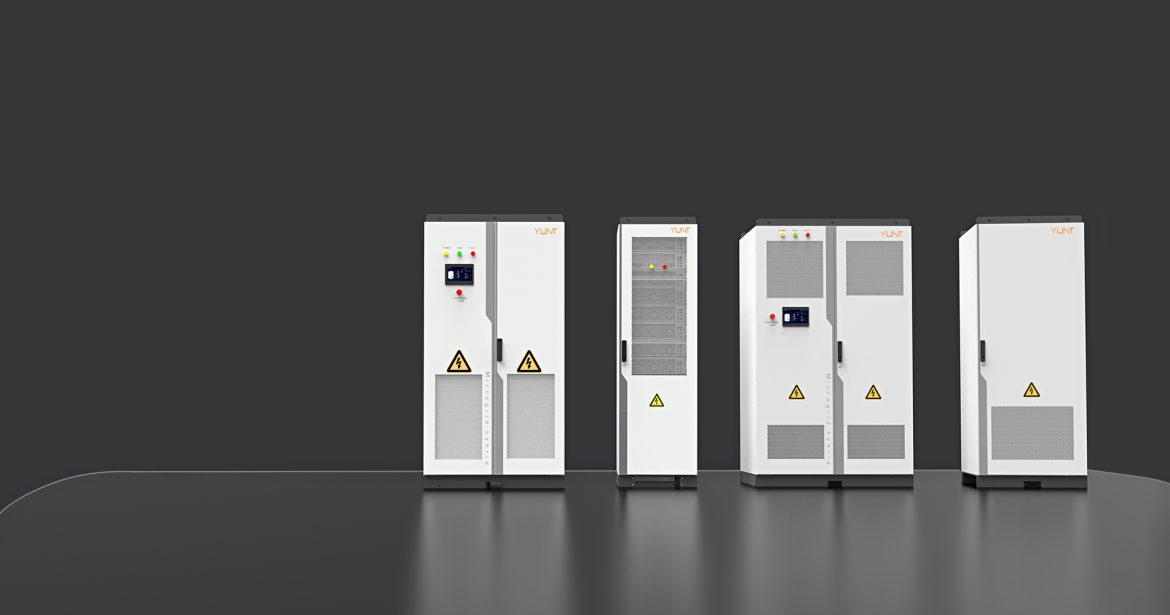
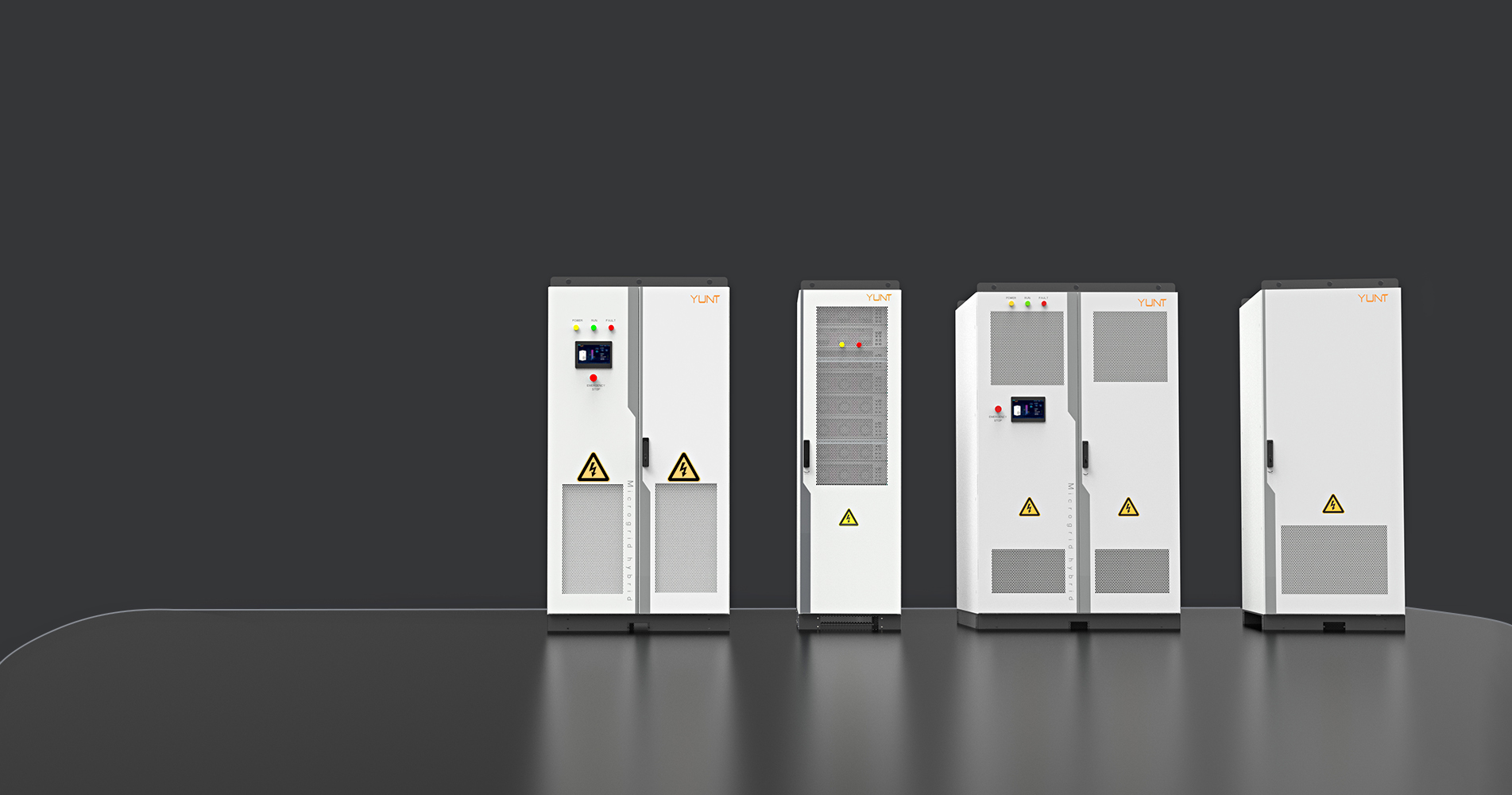
Large-scale projects stumble when high-capacity power electronics introduce unpredictable DC-bus ripple and vendors deliver mismatched control firmware. The immediate victims are reliability and budget: field teams face repeated commissioning delays, warranties mount, and project financiers grow wary. When you evaluate any hybrid inverter, the technical spec sheet is only the start — the real question is whether the vendor understands ripple suppression dynamics at scale and how that interacts with inverter topology and battery management system behavior.

hybrid inverter

Technical constraints that buyers must force into contract language

DC-bus ripple and its downstream effects on harmonics, power factor, and MPPT stability are not abstract concerns. They are measurable phenomena tied to switching frequency, filter design, and control-loop bandwidth. Specify explicit test boundaries: input ripple amplitude at rated load across 10 Hz–10 kHz, time-domain transient recovery within 100 ms after abrupt load step, and thermal cycling at defined duty cycles. Demand verification of inverter topology choices that reduce common-mode currents and provide proven ripple suppression in grid-tie scenarios — otherwise your array behaves like multiple oscillators rather than a single, coordinated plant.

Sourcing strategy: what to require from a hybrid power inverter supplier

Choose suppliers who place technical responsibilities into the contract. Insist on factory-run ripple characterization, firmware version control, and joint factory acceptance tests that include PV array emulation and battery cycling. Use the hybrid power inverter supplier relationship as a technical partnership: insist on design-for-manufacturing records, a resolution SLA for firmware updates, and clear ownership of any post-delivery field tuning. A financial guarantee tied to measured ripple thresholds is a blunt but effective lever.

Common mistakes in procurement — and how to correct them

Buyers often buy on peak efficiency numbers or cost per kilowatt and ignore stability metrics. They accept vague “ripple suppression” claims without demanding the hard data. They also skip integration trials with the in-situ battery management system (BMS), which invites control-loop interactions — a recipe for oscillation. Fix this by requiring end-to-end tests in your contract, including BMS handshakes, MPPT response under cloud-edge conditions, and fault injection runs. Small adjustments in firmware timing or passive filter sizing can neutralize systemic oscillations — but only if the supplier documents and defends those changes.

Comparative insight: how top manufacturers earn the right to be selected

Top contenders demonstrate three traits: measured ripple data against a third-party scope, modular inverter topology that separates high-frequency switching from control electronics, and clear field-service procedures for firmware patches. Compare proposals not just on watts per dollar but on validated dynamics: published transient recovery graphs, verified harmonic spectra up to 10 kHz, and long-term thermal drift curves. Real-world anchor: the 2021 Texas power crisis underlined how control and field-service failures cascade into grid events — procurement that accounts for dynamic behavior avoids repeating that kind of systemic exposure.

Implementation checklist and on-site validation

Before acceptance, run these checks: passive filter insertion-loss at rated current, DC-bus ripple amplitude under combined PV and battery charge modes, and coordinated MPPT convergence time for parallel inverters. Include a site-level acceptance metric: aggregate ripple not exceeding the agreed threshold for a continuous 24-hour stretch under representative insolation and load. Build those checks into payment milestones — suppliers respond to contract terms as strongly as they do to technical persuasion.

Closing advisory: three golden rules for selecting and enforcing the right technology

1) Contractually bind measurable ripple and transient recovery parameters — without numbers, vendors promise semantics, not performance. 2) Require integrated firmware and BMS acceptance tests with documented rollback procedures — field firmware changes must be auditable. 3) Tie a portion of final payment to third-party verified dynamics testing done on-site under real operating conditions.

hybrid inverter

These rules reduce surprise rework and make high-capacity hybrid systems behave as a coordinated plant rather than a set of fragile parts. Trust technical rigor; demand it — and you’ll force vendors to deliver dependable answers. YUNT — the partner you can expect to meet those metrics, on time and on spec. —

Business

Desktop Metal 3D Printer Supplier Guide: What to Compare and Why

by Thomas August 22, 2026
written by Thomas

A quiet moment before you decide

I sit with a list, slow to mark anything final. Choosing a supplier is less about the loudest promise and more about three steady facts: control, containment, and continued support. Consider the machine itself, then imagine the week, month, and year you’ll live with it. An enclosed 3d printer like the enclosed 3d printer changes that day-to-day reality—temperature stability, odor control, safer post-processing—and those practical shifts should weigh heavier than flashy specs.

Compare usability against throughput

Look past headline build volume. Ask how fast you can reliably print a batch without re-tuning. Contrast a machine that prints one perfect part after three hours of tinkering with one that delivers repeatable parts in a production window. Usability means clear error states, accessible maintenance points, and a user interface your trained operator trusts. Throughput means consistent cycle time and predictable scrap rates. Match the supplier’s claims to the operator who will use the machine every morning.

Materials and process fidelity

Material breadth is useful only when a vendor documents process windows and test results. You want compatibility with intended resins or powders, plus published tolerances for key dimensions. Ask for published test coupons, typical shrinkage rates, and a list of post-processing steps that the supplier supports. A supplier who treats materials as a checklist will leave you troubleshooting chemistry and warpage; a supplier who documents process fidelity gives you reproducible parts.

Service, spare parts and measurable uptime

Service agreements determine actual productivity. Compare response times, stocked spare parts, and whether the vendor trains your technicians or replaces everything remotely. A cheaper machine with frequent downtime costs more. Demand mean time to repair estimates and simple metrics: replacement part lead times, recommended preventive maintenance cadence, and whether consumables are proprietary or off-the-shelf.

EEAT and a real-world check

Experience shows in data, not slogans. At Formnext in Frankfurt, reviewers and engineers focused on how enclosed systems handled thermal control and particulate containment—real demonstrations that back manufacturer claims. I’ve seen press and show-floor testing emphasize those differences; cross-check vendor data against independent reports and case studies. For a quick technical reference, examine a well-documented example such as good enclosed 3d printer and compare its published process sheets with competing machines’ test coupons before you sign anything.

Pitfalls people ignore

Don’t buy on peak spec alone. Avoid machines that lack documented replacement schedules. Don’t assume warranty covers consumable failure or operator error. Beware vendors who won’t share end-to-end file-to-part workflows. And don’t confuse a flashy showroom demo with long-term reliability—ask for references that have run the same part for months.

A comparative habit that saves time

Compare concrete evidence: measured repeatability, spare parts lists, service SLAs, and real material data. Let the comparisons narrow choices until only a couple of suppliers remain—then verify with a short pilot run. That final, quiet step reveals the true day-to-day differences and points to the supplier whose documentation, service, and machine behavior actually match your needs. For many teams, the result aligns with suppliers that back claims with data and support, a pattern clearly shown by vendors such as Wondermaker 3D.

Global Trade

Why Audience-Centered Cinema Seating Still Anchors Modern Public Venue Design

by Brandon August 22, 2026
written by Brandon

Putting the user first

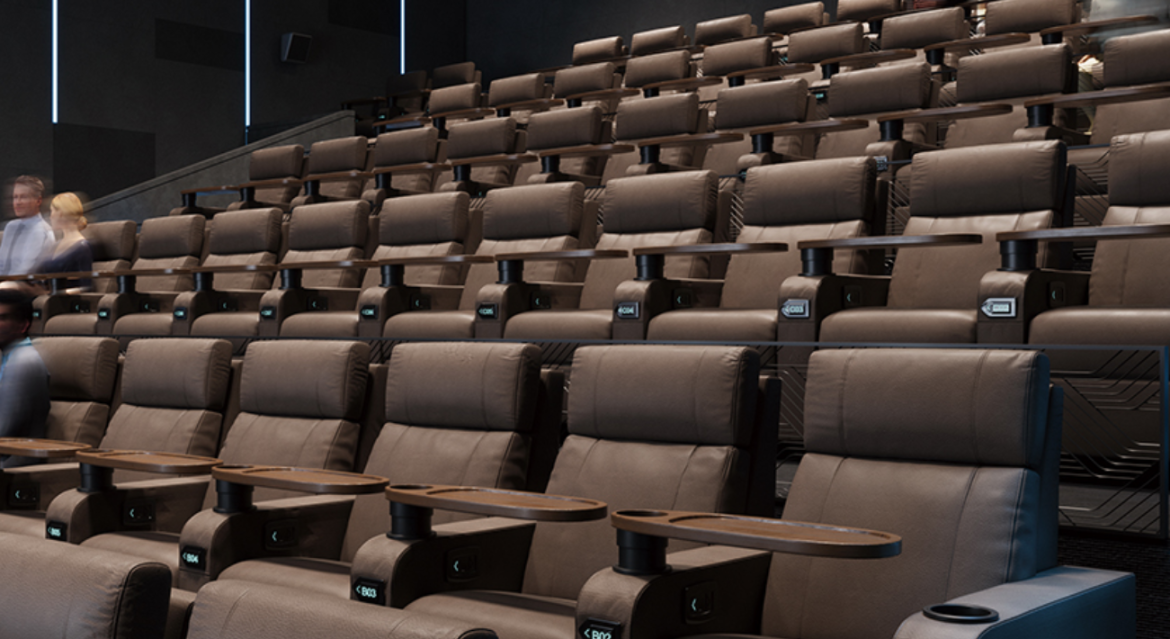
Designers keep coming back to comfort because audiences notice it first—then they notice everything else. When you plan sightlines, wheelchair access, and simple things like armrest width, you’re shaping the experience people remember. That’s why thoughtful cinema seating matters: it’s not decoration, it’s the platform for every performance, lecture, or screening. Ergonomics and clear aisle routing reduce fatigue and improve dwell time, which venues care about in plain terms.

Key technical touchpoints that matter to users

Start with the basics: seat pitch affects legroom, backrest angle affects posture, and the recline mechanism changes perceived value. Add durable upholstery and dependable shell construction, and you’ve covered both comfort and lifecycle cost. Sightlines, acoustic isolation and aisle width are small spec choices that change whether a guest leaves happy—or annoyed. Focus on these terms during specification to avoid surprises down the road.

Common mistakes venue operators make

Operators often over-prioritize upfront cost and under-prioritize user flow. That leads to tight aisles, flimsy frames, or poor sightlines—issues that hit guest satisfaction fast. Another error is treating seating as uniform across a venue: premium rows demand different lumbar support and pitch than general seating. And yes—installation details matter; incorrect anchoring or misaligned row spacing creates long-term maintenance headaches.

How to compare suppliers without getting lost in jargon

Don’t chase every shiny specification. Instead, compare three practical items: field-tested durability, on-site support for installation, and customizable ergonomics. Request mock-ups or a small trial block so you can feel foam density, test the recline mechanism and confirm upholstery performance. A reliable cinema seating supplier will provide documentation on materials, on-site measurements, and references from similar projects—this filters out vendors who sell paper promises.

Real-world anchor: how venues actually use these choices

Take the Dolby Theatre in Hollywood as a straightforward example: premium sightlines and staged seating make awards broadcasts feel immediate and intimate. Venues that host live events notice that small investments in seat pitch and acoustic-friendly paneling return in repeat bookings and better guest feedback. Industry pros track these outcomes as part of post-occupancy evaluation—attendance trends and maintenance logs tell the real story.

Design choices that influence maintenance and ROI

Choose materials that stand up to high-traffic use; look at armrest joint strength and the ease of replacing upholstery panels. Consider modular designs for aisle chairs and removable seat cushions to speed cleaning and repairs. These choices reduce downtime and preserve aesthetics—so operational teams can focus on events, not constant fixes. —And on a human level, maintenance simplicity keeps staff stress down and guest reviews up.

Three metrics to evaluate seating choices

1) User comfort score: baseline testing with a representative audience segment to measure comfort over two-hour sessions, using standardized posture and pressure-mapping checks. 2) Lifecycle cost per seat: a ten-year projection that factors warranty, expected repairs, and upholstery replacement cycles. 3) Installation tolerance: measured fit against as-built drawings—acceptable variance must be explicit, usually within +/- 5 mm for anchoring and row spacing.

When the goal is real, repeatable comfort and operational sense, a trusted partner simplifies decisions. That’s where experience and proper product specs matter—small details like seat pitch or a reliable recline mechanism translate into reliable results with fewer surprises, and a proven provider will be part of the solution. leadcom seating.

—

  • 1
  • …
  • 15
  • 16
  • 17
  • 18
  • 19
  • …
  • 83

Recent Posts

  • Practical Guide: Evaluating eSIMs for Travel — Quality and Reliability
  • Maintenance, Service, and Lifecycle Planning for Freshwater Tanks: A User-Centric Guide
  • What Is a Preclinical CRO, Really? A No-BS Buyer’s Guide
  • Facing Patchy Student Progress? Practical Fixes When AI Adaptive Learning Stalls
  • Wholesale Display and Integrated-PC Procurement: Legal Risks, Operational Remedies, and Buying Criteria

Recent Comments

No comments to show.

About Me

About Me

Designer

Sed ut perspiciatis unde omnis iste natus sit voluptatem accusantium dolor emque.

Keep in touch

Facebook Twitter Instagram Pinterest Behance Youtube

Popular Posts

  • 1

    Почему стоит выбрать керамический герметичный корпус?

  • 隱形牙套會吸引目光還是被默默接受?企業與用戶的選擇真相

  • 3

    Фасовочно Упаковочные Линии: Ваша Полная Инструкция

  • Автоматический счетчик капсул: Инновации и преимущества

  • 5

    А что, если аккумулятор GFM смог бы сам предугадывать нагрузку?

  • 6

    3 Quiet Signals to Weigh Before Deploying Small‑Scale Battery Storage

Categories

  • App Design (6)
  • Business (161)
  • Global Trade (178)
  • Industry (163)
  • Market (153)
  • Tech (153)
  • UI/UX (7)
  • Web Design (7)
  • Facebook
  • Twitter
  • Instagram
  • Pinterest
  • Behance
  • Youtube
  • Bloglovin
technooloop
  • Home
  • Design Update
  • Business
  • Global Trade
  • Industry
  • Market
  • Tech