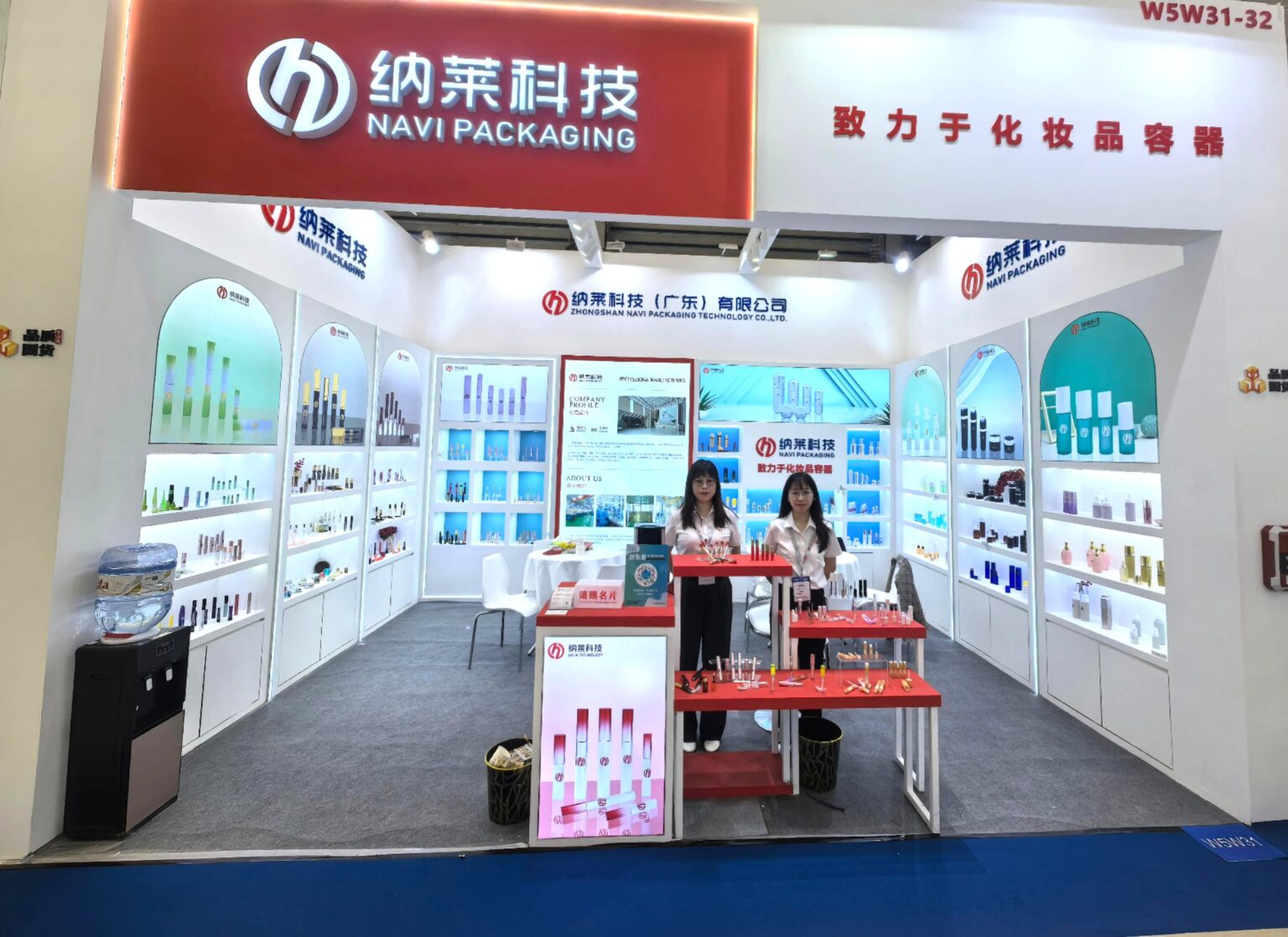
Introduction: A Small Meeting, A Big Shift
Picture a Monday kickoff: the brand team huddles around mockups, the clock is ticking, and launch dates loom. A cosmetic packaging manufacturer sits across the table, ready to turn sketches into shelf-ready units. The market is noisy, returns are rising, and audits say that a surprising share of complaints trace back to pack failure. When you start sourcing cosmetic packaging supplies, the stakes feel higher than the cap on a serum bottle—because they are. One misfit neck finish, one leaky seal, and a whole batch can go sideways (you bet). Data from internal QA often shows that late-stage changes cost 3–5 times more than early fixes, which is a hard pill for any team. So here’s the real question: what if the right comparison of suppliers changes not only your costs, but your customer’s first touch?
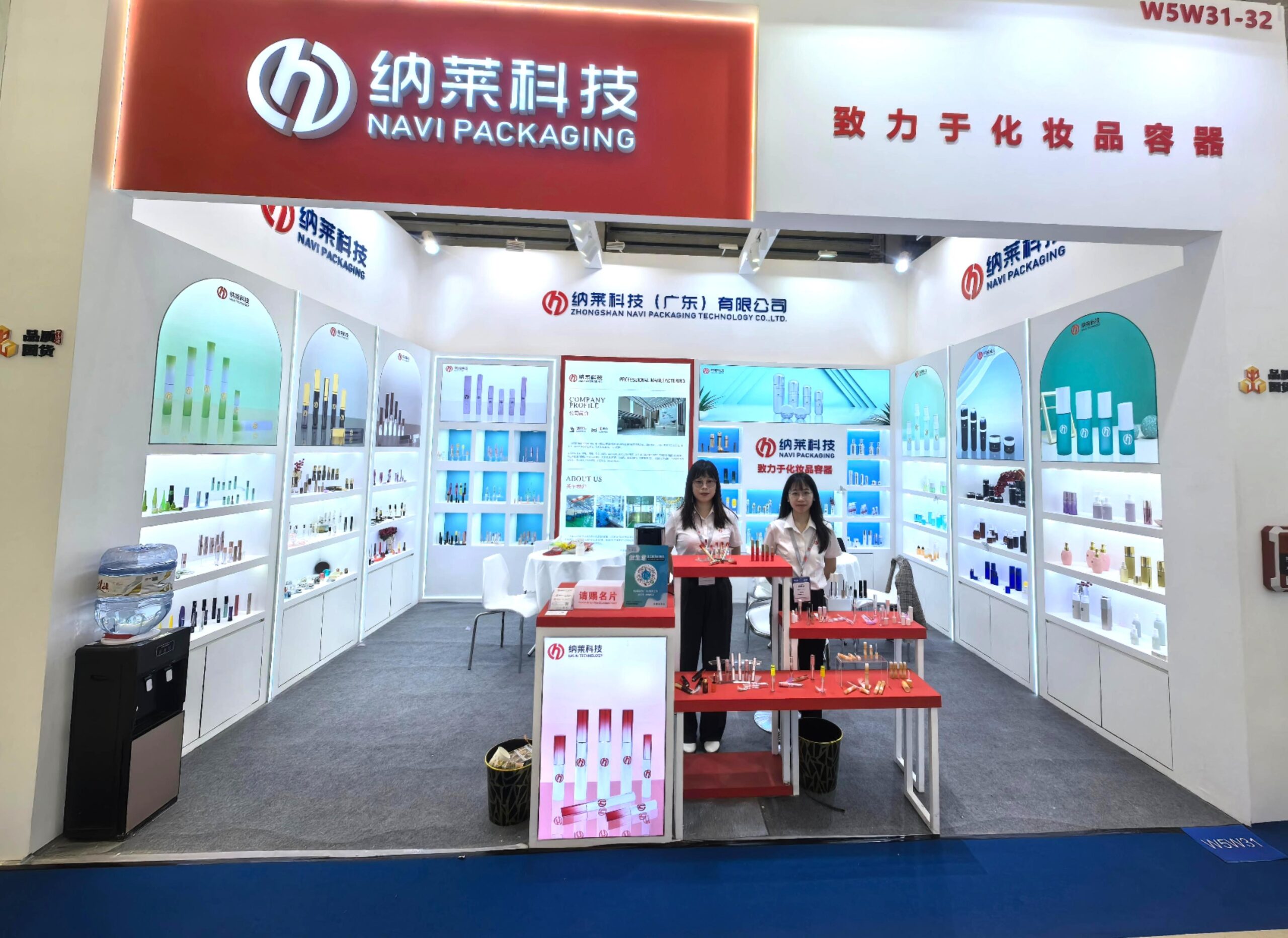
Let’s take that thought and move from gut feel to a clear, side-by-side lens.
Part 2: The Hidden Costs Lurking in Cosmetic Packaging Supplies
Where do traditional choices fall short?
Let’s get technical for a moment. The usual path for cosmetic packaging supplies looks simple: choose a stock bottle, match a pump, print a label, ship. But “simple” hides risk. Legacy spec sheets rarely tell you enough about barrier properties under heat, or how a cream flows through an airless pump after 12 weeks. Traditional quality checks focus on appearance and fit, not on dynamic forces like torque decay or drop impact on a filled unit. That’s where small flaws turn big. An injection molding tolerance that seems fine on paper can drift in mass production. Vacuum metallization that looks rich can crack under cold-chain swings—funny how that works, right?
The pain points stack up. Teams wrestle with lot traceability when a cap thread strips in the field. Labels printed with UV-curable inks may scuff against high-friction cartons. And tamper-evident banding can warp if the line heat tunnels run hot. Look, it’s simpler than you think: the old way of “pick, print, pray” misses cross-compatibility. You need tests that mirror real use, not just shelf pose. That means torque targets mapped to closure liners, seal integrity checks under pressure cycling, and material audits beyond “PET vs. PP.” Otherwise, surprises crop up after influencers unbox—and fixing that story costs more than a better spec ever would.
Part 3: What Comparative Insights Say About Tomorrow’s Packaging
What’s Next
Forward-looking teams compare more than price. They compare principles. New lines use digital twins to simulate drop tests, cap torque, and creep under load before a tool is even cut. Resin choices include PCR blends tuned for flow index so thin walls don’t ripple. Airless pump systems are validated with finite element analysis to spot stress points at the actuator. And real-time QA pairs vision cameras with simple edge rules—fast, transparent, usable. In short, less guessing, more proof. When you evaluate partners like cosmetic packaging manufacturers china, ask how they model barrier drift over time and whether they record torque decay by lot. Short answer: if they can show the curve, you can trust the curve. If not, you are back to hope and patchwork (never fun).
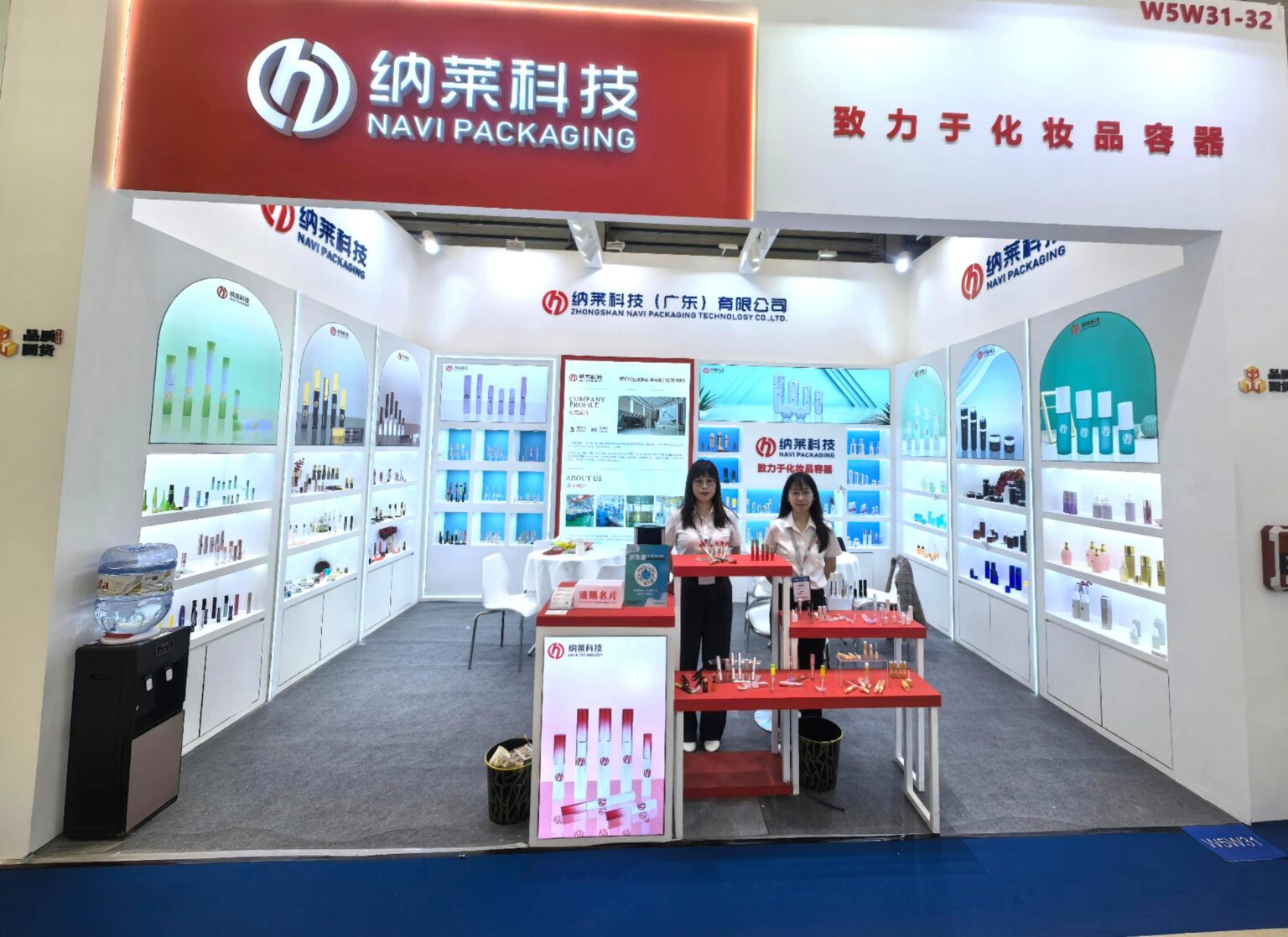
The takeaway so far: the meeting scene showed pressure; the hidden section exposed why “good enough” fails on the road. Now, compare with intent. Look for e-beam sterilization options for sensitive fills, traceability from mold cavity to pallet, and ISO 22715 process control where it counts. To choose well, use three simple metrics: 1) fit-to-form rate on assembled units above 98.5%, 2) lead-time variance under 12% through pilot and scale, and 3) field return rate for pack defects below 0.5% at 6 months—tight, but doable. Do this and the first touch feels right, the last mile stays quiet, and your team sleeps better—because the pack just works. For a grounded conversation about how these comparisons play out in real builds, see NAVI Packaging.