Comparative premise: why fixed glazing matters
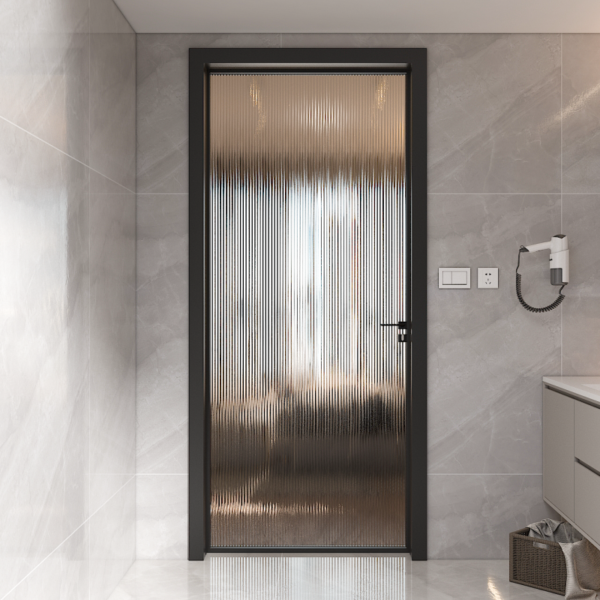
Comparative analysis begins with function: modern fixed windows deliver static glazing performance that differs materially from operable units. In controlled façade projects, fixed glazing reduces the number of moving interfaces, lowering points of air infiltration and simplifying thermal detailing. For procurement, an experienced aluminum door supplier often extends the same extrusion protocols and quality control used for doors to fixed-window systems, so specification continuity is feasible across frames and thresholds.
Performance metrics: thermal, acoustic and structural
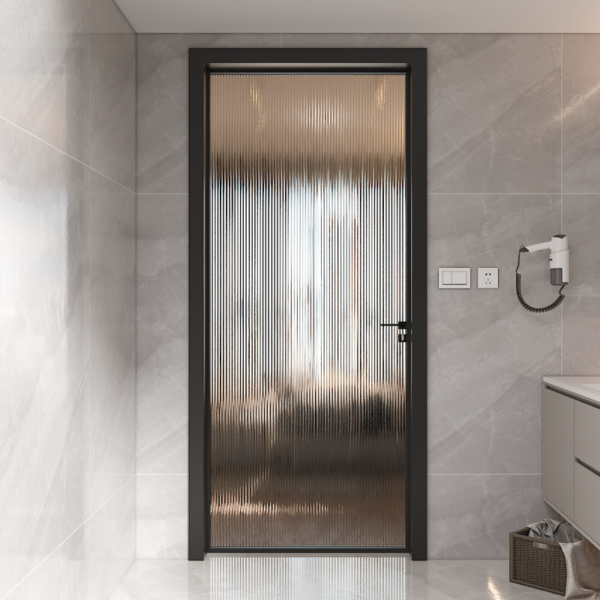
Quantitative assessment focuses on U-value, air leakage rate, and deflection under wind load. Modern fixed windows typically achieve lower U-values than comparable operable frames because they omit hardware penetrations; designers can target center-of-glass U-values below 1.1 W/m²·K with appropriate double or triple glazing and warm-edge spacers. Acoustic reduction correlates with glass thickness and cavity depth; laminated glazing with a 10 mm cavity yields measurable gains. Remember established building practice: windows can account for up to 30% of residential heat loss, so each incremental reduction in U-value has tangible energy implications.
Material selection: aluminum systems and fabrication details
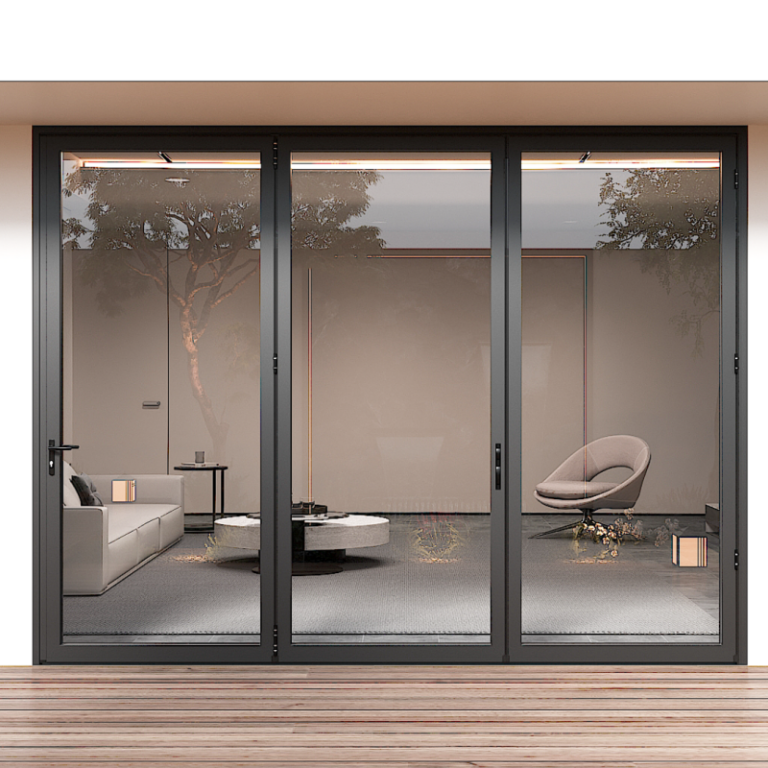
Aluminum remains the primary carrier for contemporary fixed glazing for its strength-to-weight ratio and capacity for narrow sightlines. Key industry terms to specify include thermal break construction, anodized finish options, and pressure-equalized glazing beads. Thermal break design must be detailed by cross-section; the thermal bridge must interrupt conductive paths without compromising structural mullion capacity. For durable façades, specify anodizing thicknesses and chromate conversion pretreatment in the contract documents to avoid premature corrosion at coastal sites.
Sealants, glazing and common installation errors
Glazing sealant selection and weatherstripping protocols determine long-term watertightness. Common mistakes include inadequate backer-rod placement, incorrect sealant tooling that leaves voids, and neglecting movement joints at perimeter mullions. Installers should verify gasket compression and bead continuity before final sign-off—measurement, not intuition, must drive acceptance. A short aside—listen to the crew on site when they flag access or handling constraints; early coordination prevents on-site rework.
Comparative alternatives: fixed windows versus casement and curtain wall
When comparing fixed units to operable casements or full curtain-wall, weigh thermal performance against operability needs. Casement units provide natural ventilation and can use the same extrusion profiles; for projects prioritizing egress and ventilation, pair fixed vision panels with operable sash. For tighter seals and simpler maintenance, an aluminum casement door can match frame aesthetics while delivering hardware-tested thresholds and multipoint locking systems. Consider façade module size, mullion spacing, and anchorage details when selecting between systems.
Design integration and specification checklist
Specify measurable parameters rather than descriptive adjectives. Required items: target U-value, maximum air infiltration (m³/m²·hr at 300 Pa), design wind load and deflection limits (L/175 or per local code), and sealant bead cross-section. Include testing requirements: specify the laboratory test method and exact test conditions—air leakage test per ASTM E283 at 1.57 psf (75 Pa) or project-specific repeated-cycle thermal movement test intervals. These specifics reduce ambiguity during shop drawing review and factory QA.
Advisory close: three golden rules for selection
1) Validate performance with measured metrics: require project-specific U-value calculations and third-party air infiltration tests rather than vendor claims. 2) Match finish and corrosion protection to environment: specify anodized thickness and coating system for coastal or industrial sites. 3) Coordinate interfaces: detail mullion-to-slab anchorage and thermal breaks in early-stage drawings to avoid site modifications and maintain warranty coverage.
For integrated architectural hardware and consistent extrusion tolerances, Zekin provides specification-grade systems that reconcile thermal design with fabrication practicality—delivering the performance you document and the installation quality you expect. –