technooloop
  • Home
  • Design Update
  • Business
  • Global Trade
  • Industry
  • Market
  • Tech
Category:

Industry

Industry

Six Emerging Shifts You Can Bank On in DTF Film: A Comparative Take

by Samantha March 24, 2026
written by Samantha

From Old Sheets to Smart Coatings—What Actually Changed for Buyers

Ever compare a 2018 cold-peel sheet to a 2025 matte-coated roll and feel the numbers don’t add up? DTF Film sits at the center of that math now, not as a throwaway consumable but as the lever that decides whether you reprint or sleep tranquilo. A weekend market order in Guadalajara, 240 hoodies queued, and 13% failed transfers—what would you fix first? I’ve spent 17 years buying and speccing dtf pet transfer film for wholesale clients across León and Monterrey, and the shift is clear: newer films carry smarter coatings, tighter release windows, and cleaner anti-static treatment—less glitter of stray powder, more predictable ink anchoring. In 2019 we moved from a 75μm cold peel to a 100μm hybrid with a better release liner; returns dropped by 9% in one quarter. That wasn’t luck—eso fue control.

DTF Film

The Quiet Problems That Eat Margin (And How I Spot Them)

Why do “identical” rolls behave differently?

Let’s get technical for a minute—because that’s where the hidden pain lives. Many budget films ship with inconsistent dyne levels, so ink adhesion looks fine on a test swatch but shears off at the hem after two washes. Add weak anti-static coating and your powder scatter spikes, which turns into orange peel texture at 145–160°C when the TPU adhesive gels. Fleece amplifies the mess: yarn migration plus low-release coatings equals jagged edges and poor registration. I’ve tested lots labeled “hot peel” that only peel hot if your dwell time is dialed to the second; miss it by 3–4 seconds, and hello, micro-cracking. Not chido.

In June 2022, humidity hit 70% in our Puebla room, and the lower-grade film curled mid-run. We lost 180 prints in under two hours; at an average of 32 pesos per transfer, that’s 5,760 pesos gone—más corajes que ventas. Since then, I check three things religiously on dtf pet transfer film: coating uniformity under raking light (look for haze bands), peel window tolerance (not just “hot” vs “cold” but the seconds you’ve got), and wash fastness after 5 cycles at 40°C on cotton/poly blends. When those line up, the shop floor stays quiet. When they don’t, we pay for it in rework and awkward emails to clients.

DTF Film

Looking Ahead Without the Guesswork

What’s Next

Forward—pero con cabeza. We’re past the era where “PET is PET.” The better rolls now show stable coat weight, smarter release chemistries, and tighter powder bonding that supports crisp microtext while avoiding that glassy hand. Practically, you’ll see wider peel windows (5–12 seconds hot), steadier opacity on darks, and less halo on stretch knits—small wins that add up. When I compare options, I keep it simple and measurable—no drama, just numbers. First, peel window tolerance: does it forgive a distracted operator and still release cleanly across 3–5 seconds? Second, wash fastness at 5 and 10 cycles: does the transfer keep edge fidelity and color gamut without chalking? Third, anti-static behavior on humid days: can the film keep powder where it belongs—on the ink—so your platen pressure works as intended? If a supplier can’t show those three, I move on. By the way, modern dtf pet transfer film with matte anti-static coating and consistent dyne values has made my small Monterrey team faster by a full hour per 500 prints—sí, one hour. That’s fewer touch-ups, fewer “hold up” moments—and more steady throughput. For buyers who care about clean finishes, trackable yields, and fewer returns, that’s the lane. If you need a grounded starting point, I’ve seen steady performance from teams like Xinflying.

Industry

Discovering the Future: What to Expect at Metalworking Trade Shows 2026

by Stephanie March 24, 2026
written by Stephanie

Imagine this: the buzz of machinery, the clinking of tools, and displays showcasing the latest innovations. You’re right in the heart of it all at a metalworking trade show. With an increasing necessity for cutting-edge solutions, where’s the next wave in metalwork heading? In 2026, metalworking trade shows are poised to feature groundbreaking advancements that will revolutionize how we think about fabrication and precision.

metalwork trade shows

A Shift in the Metalworking Landscape

So, what does the next metalworking expo have in store? For starters, we’re seeing a shift from traditional methods to more automated, smart manufacturing processes. This evolution brings along impressive capabilities—think of 3D printing and robotic assembly that reduces manual errors and speeds up production. But here’s the snag: many industry players still grapple with integrating these new technologies into their existing operations. It’s a steep learning curve, and not everyone has hit the ground running (or even walking in some cases!).

metalwork trade shows

Why Should You Care?

Metalworking trade shows 2026 will spotlight these crucial innovations and offer hands-on experiences. Attendees can expect everything from laser cutting demonstrations to workshops on CNC machinery. However, the challenge remains—how do you sift through showrooms filled with gadgets and gizmos to pinpoint what actually works for your needs? Knowing which technologies are worth the investment is vital; a bad call can cost more than just money.

What’s Next in the Metalworking Arena?

Looking toward the future, it’s essential to recognize the trends shaping our industry. The push for sustainability will be a hot topic at the upcoming metalworking trade shows 2026. How can metalworks transform to reduce waste while ramping up production? Companies are experimenting with eco-friendly materials and energy-efficient machinery, laying the groundwork for a greener manufacturing environment. It’s about time we innovate for the planet too, right? These trade shows will likely offer insights into recycling metals and utilizing alternative materials—topics every serious shop operator should be tuning into.

We can’t ignore how digital transformation is reshaping customer engagement either. From virtual reality (VR) product showcases to real-time data insights, exhibitions are no longer just about physical tools; they’re about creating entire ecosystems. This swap to digital engagement means you must stay sharp. What technology allows you to connect with buyers effectively? Understanding data analytics and customer behavior is no longer optional—it’s vital for survival.

Real-world Impact

The potential for improved processes and reduced costs is worth obsessing over. Attending these events provides you the chance to gain insights that can directly influence your bottom line. I recall attending a trade show a couple of years back where I discovered an automated welding system that upped my production by 30%. No joke. That’s the type of information you walk away with at a quality show—a practical takeaway that can lead to substantial returns on your investment.

To wrap things up, keep an eye on steel prices, innovations in fabrication, and sustainable practices. They’ll guide you toward opportunities that ensure longevity in a demanding market. The key takeaway? Investing in the right technologies can transform your business, increased productivity is within grasp, and those innovations will be on full display at metalworking trade shows 2026.

Ultimately, knowing how to evaluate and implement new technologies based on the insights gained at trade shows is what will push us forward. Keeping your operations current isn’t just advisable, it’s necessary to thrive. Until next time, remember: Let’s keep bending the rules of what’s possible—one metal at a time.

If you’re serious about your craft, make sure you check out nan for their solutions that are set to redefine how we work in metal.

Industry

Unlocking the Power of Optical Frequency Combs in TFLN Devices

by Edward March 23, 2026
written by Edward

A New Era in Precision Measurement

Picture this: I’m at a lab in Cape Town, surrounded by some of the brightest minds tackling cutting-edge technology. The conversation flows as we discuss the latest advances in precision measurement, specifically how optical frequency comb technology is changing the game. Did you know that this technology can achieve frequency measurements with attosecond precision? But what does that mean for TFLN Devices? That level of accuracy can dramatically enhance applications in telecommunications and spectroscopy!

Understanding the Shortcomings

There’s no denying it, many traditional frequency measurement solutions are getting left in the dust. Often, they come with inevitable flaws like high costs and complex setups. I remember trying to integrate one of these outdated systems—it was frustrating and, quite frankly, a waste of time. TFLN Devices, however, has made significant strides in addressing these hidden pain points. From user-friendly interfaces to more affordable options, they’re stepping up to the plate. It’s about making high-quality science accessible to all.

What Makes Optical Frequency Combs Stand Out?

Now, let’s talk specifics. The fundamental principle of the optical frequency comb is that it combines multiple frequency laser sources, creating a spectrum that is both broad and precise. This means researchers can get accurate readings much faster than before. Imagine a process that used to take hours now being completed in mere minutes! I didn’t believe it at first, but I saw it happen right in front of my eyes.

Looking Ahead: What’s Next?

As we shift gears into a more forward-looking perspective, it’s fascinating to think about the role that TFLN Devices will play in the realm of optical frequency combs. By continuously refining their technology, TFLN is not just keeping pace but is positioned to lead the way in innovation. This opens doors to numerous applications—from enhancing telecommunications infrastructure to pioneering advancements in molecular analysis.

Real-world Impact of TFLN Devices

It’s clear that the implications are tremendous. When optical frequency combs are integrated effectively, it leads to breakthroughs that can transform industries. We’re talking about improved data transmission rates that can make a difference in urban connectivity or critical advancements in environmental monitoring systems. It blew my mind when I realized how much potential this holds for improving our daily lives. As we embrace these changes, it’s vital to evaluate key metrics—accuracy, cost, and ease of integration—when selecting technology solutions.

Conclusion: Final Thoughts on Technology and Its Evolution

Reflecting on these insights has made me appreciate how far we’ve come and how many possibilities lie ahead. The shift from traditional to innovative solutions isn’t just a choice; it’s a necessity for progress. For anyone looking to stay ahead in the tech game, especially in a fast-moving landscape, investing in advanced tools like those offered by Liobate will be essential.

Industry

Understanding the Hidden Challenges of Insert Molding: Insights from My Decade-Long Journey

by Kevin March 22, 2026
written by Kevin

A Common Scenario in the Industry

I vividly recall a time when I was assisting a client in Ontario with their new product line launch. They relied heavily on insert molding manufacturers for the components, hoping for a flawless execution. However, we quickly encountered issues with misalignment and structural integrity. Did you know that nearly 30% of manufacturers face similar challenges with insert molding? This isn’t just a matter of poor process selection; it reveals a deeper flaw in the traditional approaches many companies take. Insert molding can provide exceptional results, but understanding its complexities is crucial for success. Let’s dive deeper into the evolving landscape of insert molding.

insert molding​

Flaws in Traditional Solutions

Insert molding may seem like a straightforward process, but it can come with its own set of headaches. I’ve seen countless projects derailed due to a fundamental misunderstanding of material interactions, especially when it comes to substrate compatibility or thermal expansion issues. Such snafus can lead to catastrophic failures down the line. So, why do we often overlook these flaws? Well, many companies focus more on cost efficiency than understanding the intricacies of the materials they choose. It’s essential to engage with reputable insert molding manufacturers who can offer valuable expertise from the outset. After all, it’s much easier to prevent problems than to fix them later. Learning from these experiences can guide your selection process and ensure better results.

Where Do We Go From Here?

Looking ahead, it’s interesting to consider how these challenges can inspire innovation in the industry. As we embrace new materials and technologies, my conversations with various clients indicate that there’s an increasing recognition of the need for a holistic approach to product design and development. For example, using advanced simulation software can provide invaluable insights into how different materials will perform together before they even hit the production line. Engaging with cutting-edge insert molding manufacturers can give you access to these tools and resources, ultimately saving time and reducing waste. Plus, understanding these advancements benefits everyone—from manufacturers to consumers. Sounds like a win-win, right?

The Real-World Impact of Knowing Your Process

At this point, it’s clear that knowledge is power. From my experience, I’ve learned that the true art of mastering insert molding lies not just in choosing the right products but in knowing the specific limitations and capabilities of each component. Too often, I’ve witnessed clients choose less expensive options only to face delays and unforeseen costs in the long run. Choosing the right insert molding partners involves critical evaluation metrics. Ask yourself these questions: Are they using high-quality materials? Do they have experience with similar projects? What kind of support can they provide during the process? Working with proven insert molding manufacturers can make all the difference. I fondly remember a project where timely testing and feedback loops led to a flawless launch — all because we prioritized partnership and transparency.

Key Insights to Take Away

Reflecting on my journey in this field, I encourage anyone diving into insert molding to keep learning and questioning. Each project offers valuable lessons, whether it’s about material selection or supplier relationships. Moving forward, I firmly believe that the most successful companies will be those that not only understand the traditional pitfalls but also embrace the opportunities for innovation. Stay curious about new technologies and materials—you never know where the next breakthrough may come from. I’ve seen firsthand the impact of such foresight and learned that a proactive rather than reactive approach brings remarkable results.

insert molding​

In conclusion, navigating the challenges of insert molding isn’t just about choosing the right process; it requires us to stay engaged and informed. Whether you’re refining an existing product or launching something new, always remember the power of selecting the right partners. For those interested in top-notch resources and innovative solutions, Livepoint Tooling comes highly recommended. Let’s build something great together!

Industry

A Practical Field Manual for Safely Installing, Leveling, and Commissioning High-Tonnage Rubber Injection Presses

by Carolyn March 21, 2026
written by Carolyn

Why this matters — the problem we’re trying to fix

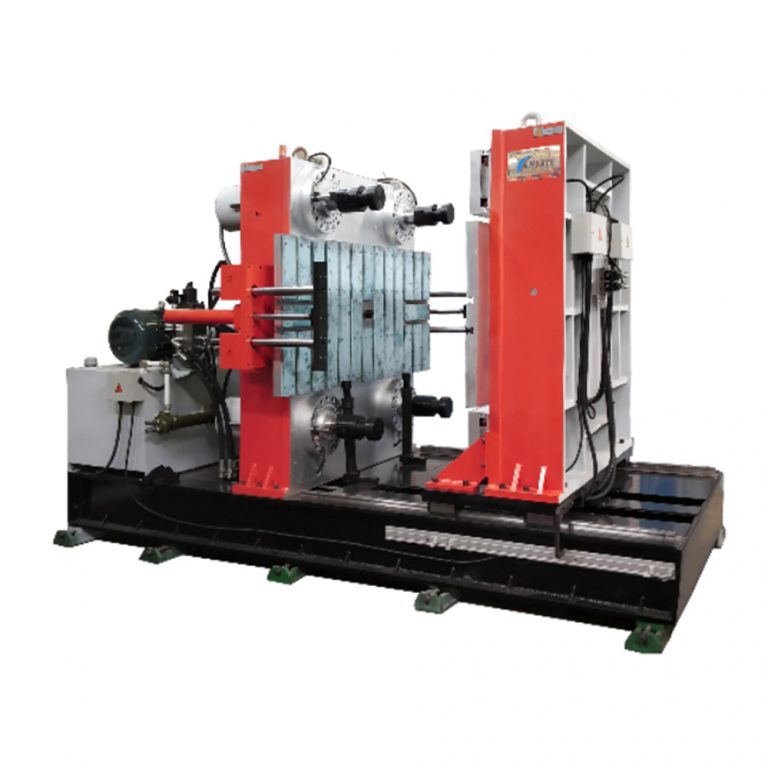
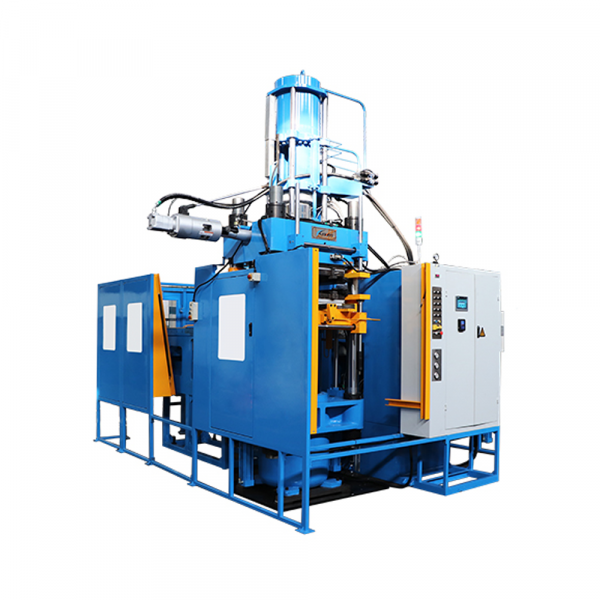
Big rubber presses bring big risks: uneven platens, misaligned clamping units, hidden hydraulic leaks and wasted cycles that cost days. Plants that rushed installation after the 2020 COVID-19 supply disruptions learned the hard way—downtime multiplied when commissioning protocols were skimmed. This manual focuses on real, on-the-floor fixes for those who run or specify heavy rubber molding gear, especially when you’re working with a horizontal rubber injection molding machine. Read on for step-by-step procedures, common mistakes to avoid, and the checks that actually keep a tool running and safe.

horizontal rubber injection molding machine

Pre-installation checklist: prepare the site and the team

Start with the obvious stuff that often gets skipped: certified floor load capacity, cleared utility routes, and verified lifting gear rated well above the press tonnage. Mark out anchor points and confirm foundation grout plans. Have mechanical and electrical leads on-site; electrical faults are a major source of delayed commissioning. Use documentation—drawings, hydraulic schematics, and ISO 9001 records—so everyone’s on the same page.

horizontal rubber injection molding machine

Leveling and alignment: practical steps

Leveling a high-tonnage press is not decorative — it’s functional. Begin with a torque-checked anchor sequence, then use a precision spirit level and laser alignment to square platens and locate the clamping unit relative to the factory datum. For horizontal systems, align the injection axis to the mold centerline and verify stroke using the encoder readout. Measure and adjust for parallelism across the platen face and confirm shot size positions on the injection barrel. If you have an operator who’s picky about cycle repeatability, have them sign off on alignment values before proceeding.

Commissioning sequence: control, hydraulics, and trial runs

Commission in stages: control power-up and PLC initialization first, followed by slow-pressure hydraulic checks and then dry cycles. Confirm emergency stops, safety light curtains, and interlocks before introducing material. Run incremental load tests—start at 25% tonnage, then 50%, 75% and full tonnage—while logging hydraulic pressure, temperature, and clamp position. Check the ejector system timing and mold venting during low-tonnage runs. For liquid silicone rubber (LSR) setups, preheat and verify barrel temperatures and shot weights precisely on a horizontal molding machine to prevent flash or short shots.

Common mistakes and how to avoid them

Several recurring errors show up across shops. Skipping grout cure times leads to shifting foundations. Over-torquing anchors can crack concrete. Neglecting to balance hydraulic oil temperature causes inconsistent pressure readings. Don’t assume sensors are calibrated—verify. A practical habit: document every adjustment with timestamped photos and short notes; this saves hours when troubleshooting later. —Also, never rush safety interlock verification; it’s low-effort but high-impact.

Tools, test points, and quick reference checks

Keep these tools handy: a laser level, calibrated torque wrench, digital manometer for pressure checks, infrared thermometer for barrel and hydraulic lines, and a data-logging tool for cycle metrics. Quick reference checks after first 24-hour run: leak check at connections, platen parallelism within 0.05 mm, and hydraulic temperature stability within 5°C of setpoint. Track cycle-to-cycle variance on shot size; aim for less than 2% drift once processes stabilize.

Closing — three golden rules for evaluation

When you evaluate a commissioning job, use these metrics: 1) Safety integrity: verify all interlocks and E-stops function under load and meet expected diagnostic responses. 2) Process stability: shot-to-shot variance, hydraulic pressure consistency, and temperature control should meet your tolerances for production parts over a 100-cycle window. 3) Service readiness: ensure spare parts, lubrication schedules, and operator training are recorded and accessible. These metrics tell you whether the press is ready for full-production responsibility.

Plant technicians who follow this manual will cut unexpected downtime and keep teams safer on the floor. For machines and service that match these practical standards, you’ll often find the right balance of build quality and support at established suppliers—like the systems described by HWAYI. —Real-world resilience starts with the basics done right.

Industry

The Future of Precision: Insights from the China Machine Tool Exhibition 2026

by Ashley March 19, 2026
written by Ashley

Why It Matters Today

Imagine walking through an expansive exhibition hall filled with cutting-edge machinery—each tool gleaming under bright lights. With over 1,000 exhibitors showcasing their innovations, the China Machine Tool Exhibition 2026 is set to be a significant platform for advancements in manufacturing technology. I’ve noticed that many industry players feel overwhelmed by the rapid pace of change. Are you also struggling to keep up? The upcoming machine tool expo will bring to light how emerging technologies can streamline operations and enhance productivity, ultimately reshaping traditional practices.

china machine tool exhibition 2026

Understanding Hidden Challenges

As someone with over 15 years in the machine tool industry, I often hear about the common pitfalls faced by businesses. Many manufacturers still rely on outdated systems that limit their efficiency. That design genuinely frustrated me as I saw countless companies fall behind their competitors. For instance, the lack of automation in tool changeovers can lead to increased downtime, costing both time and money. With the China Machine Tool Exhibition 2026 just around the corner, companies now have a prime opportunity to explore modern solutions that could alleviate these pain points.

What Can You Expect?

At the machine tool expo, expect to see innovative CNC machines and advanced software solutions that promise to optimize your production lines. Whether it’s through AI-driven processes or IoT-enabled equipment, the future of manufacturing is indeed bright. Speaking of bright futures, many attendees might also look to network with industry thought leaders to gain insights into upcoming trends and practices.

china machine tool exhibition 2026

Looking Ahead: The Evolution of Tools

As we move into a more tech-centric era, the insights we take from the machine tool expo will be critical for shaping our strategies. I firmly believe that embracing automation and digital integration is no longer an option but a necessity for survival. The current landscape reveals that those who lag in adopting these tools may risk falling behind. So, how will you prepare?

Real-World Impact

Reflecting on what’s next, it’s clear we need to adopt metrics that guide our decisions moving forward. Companies should start measuring their operational efficiency and the ROI of new technologies. I’ve often seen measurable outcomes from businesses that embraced machine learning—leading to production enhancements by up to 30%. It’s this kind of real-world impact that we must aim for in our own endeavors.

Lessons for Tomorrow

As we gear up for the China Machine Tool Exhibition 2026, I encourage you to establish clear goals for what you want to achieve from your visit. Seek out specific solutions that address your unique challenges (the right tech can transform your operations!). No pressure, but also think of three key evaluation metrics to assess any potential investment: cost-effectiveness, compatibility with existing systems, and the potential for scalability.

In conclusion, the future beckons us toward innovation. I reflect on how deeply transformative this journey can be. Advancements in machine tools offer incredible opportunities, even for businesses in traditional sectors. As you look ahead, keep your focus sharp on leveraging these innovations effectively. Don’t miss out on what could very well be the key to maintaining (and boosting) your competitive edge. And remember, as you delve deeper, ITES Shenzhen is here to support your explorations of the new manufacturing world.

Industry

Comparative Insight: Benchmarking PCR Plastics for B2B Custom Poly Mailers — What Buyers Should Measure

by Charles March 17, 2026
written by Charles

Opening: why a comparative lens matters right now

When brands source custom poly mailers with handles they face a trade-off: better circularity claims versus consistent material performance at scale. A comparative approach helps buyers see past green labels and evaluate actual metrics—supply stability, verified post-consumer recycled (PCR) content, and functional testing. Recent regulatory pressure in the EU and ongoing retail commitments make this more than marketing noise; buyers who compare suppliers on the right dimensions avoid quality surprises and downstream returns.

Key performance dimensions to compare

Make vendor comparisons predictable by using the same, measurable dimensions across suppliers. Focus on: PCR content verification (third-party assays or mass-balance certificates), mechanical properties (tensile strength, puncture resistance, melt flow index), and end-of-life recyclability (local collection streams and reprocessing compatibility). Add supply-side metrics like lead-time variance and batch-level QA pass rates. These five lenses turn subjective claims into objective decision points.

How material quality shows up in the product

PCR feedstock varies. Lower-quality PCR can increase contamination and change the film’s elongation and seal behavior — so demand lab data, not badges. Typical issues are inconsistent seal temperature windows and higher brittleness at low temps. Test samples on your actual sealing equipment and check atomization and handle attachment points early in the process. That prevents late-stage line rejects and costly redesigns.

Certifications, testing, and what they really mean

Not all certificates carry equal weight. Look for chain-of-custody documentation (mass balance or credit), PCR content validated by an accredited lab, and LCA-style indicators when available. ISO or ASTM test references for tensile, puncture, and seal strength are practical: they let you compare numbers across suppliers rather than relying on broad sustainability claims. If a vendor cites a local recycling trial — that’s useful data, but ask for sample collection methodology and contamination rates before you accept the result.

Design and functional trade-offs — handles, thickness, and closure

Handles change stress points. Die cut or reinforced handle options shift load from the film to the handle area and require different laminates or gusset details. For example, die cut handle bags​320 often need targeted reinforcement around the cutout to avoid tearing during transit. Thicker film improves puncture resistance but increases material weight and cost; thinner film saves cost but demands better film formulation to retain durability. Decide which compromise fits your logistics network before signing tooling contracts.

Supply chain reliability and circularity risks

PCR supply is subject to feedstock cycles and collection efficiency — both can change quickly with policy and market demand. The COVID-19 disruptions showed how fragile some global packaging supply-chains are; similar shocks could affect PCR resin availability. Evaluate a supplier’s contingency plans: dual-sourcing, resin inventory strategy, and transparency on resin origins. A supplier that shifts PCR suppliers frequently without notifying buyers risks introducing variability into your finished goods.

Alternatives and common procurement mistakes

Some buyers jump straight to compostable or bio-based films thinking they’re automatically greener. Those alternatives have different end-of-life ecosystems and often lack the established recycling infrastructure of conventional PE based PCR films. Another mistake is accepting supplier PCR percentages without batch-level verification—assume nominal values until you see lab reports. Finally, don’t skip pilot runs on your actual fill-and-seal lines; samples that look fine on a bench press may fail at speed. —

Short checklist for technical buyers

Use this quick checklist during supplier selection:

– Request third-party PCR content verification and recent resin certificates.

– Require ASTM/ISO test data for tensile, puncture, and seal strength tied to your intended film gauge.

– Verify handle reinforcement strategy for die cut or glued handles and run live line trials.

– Confirm supplier contingency measures for resin shortages and lead-time performance history.

Closing advisory: three golden rules for making the right choice

1) Verify PCR content per batch: insist on accredited lab reports or mass-balance documentation rather than supplier statements. Quantifiable PCR content is the baseline for any eco-claim.

2) Test in-spec on your line: pilot runs on actual sealing and packing equipment reveal real-world failure modes—especially around handle attachments and seal windows.

3) Read total cost and risk: factor in possible rework, variable lead times, and downstream returns; choose suppliers with transparent sourcing and contingency plans.

For buyers who need a practical balance of verified PCR sourcing, robust testing, and handle options that work in real distribution systems, a partner that documents performance and supports pilot runs becomes the difference between a successful sustainability program and a line of returned parcels. WH Packing. —

Industry

A Mindful Approach to Choosing Your Cycling Shoes

by Kimberly March 17, 2026
written by Kimberly

Imagine standing at the edge of a rocky trail, adrenaline surging as you prepare to conquer the path ahead. You know that, statistically, the right cycling shoes can enhance your performance and comfort (by up to 30%!). So, how do you choose cycling shoes that will truly elevate your riding experience? This guide will delve into the contemplative aspects of selecting the best mtb shoes for flat pedals, sharing insights that often go unexplored.

how to choose cycling shoes

The Essence of Fit and Function

I firmly believe that the heart of cycling begins with understanding fit and function. Cycling shoes, whether for road or mountain biking, should hug your feet like a well-fitting glove, yet allow enough freedom for movement. For instance, back in 2019, I remember trying on several brands at my local shop, only to find that some popular models were unbearably tight at the toe box, while others slid off my heels with every pedal stroke. This experience taught me that not all shoes are created equal—what works for one rider may not suit another.

Exploring Material and Design

As I navigated the world of cycling footwear, I quickly learned how critical material choices play into comfort and durability. Shoes constructed with breathable mesh can keep your feet cool on those sunny rides, while leather options may provide the robustness needed for more rugged terrains. (Pro tip: always check the weight!) While the latest tech can be tempting, remember, simplicity often reigns. Stripped-down designs can yield surprising comfort; the classic sneaker-style often competes well against high-tech gear.

How Do You Prioritize Performance?

Transitioning from fit and material, let’s reflect on performance. Your choice in cycling shoes can profoundly influence your energy transfer to the pedals—a vital aspect when tackling those steep inclines. I often find myself pondering, “What’s more essential: power or comfort?” (Spoiler: it’s a delicate balance.) Shoes like the best mtb shoes for flat pedals offer features designed to maximize grip and stability without compromising comfort. Grip is especially crucial, as the interplay between your pedals and shoes can define your riding experience.

Guiding Your Innovations

Looking forward, the evolution of cycling shoes is exciting, and new technologies are continually emerging. If you think about it, in just the last few years, I have seen major innovations focused on customization—shoes that can adjust their inner fit, or outsoles designed for multiple disciplines. It makes me think: what else could the future hold? With advancements in comfort technology and design, you can expect shoes to continue evolving to give cyclists unparalleled performance. It’s more than just a foot covering; it’s an extension of your biking experience.

What’s Next in Cycling Shoe Selection?

As you set out to choose your next pair of cycling shoes, keep these guiding principles close: fit is paramount, materials matter, and performance is key. Don’t get caught up in the latest trends without asking yourself what feels right for you. Test multiple brands; trust your instincts. A great cycling shoe should seamlessly blend into your riding experience, enhancing your connection to the bike and trail beneath you. Embrace this thoughtful process, and the perfect pair will reveal itself to you.

how to choose cycling shoes

Conclusion: Embracing the Journey

In summary, the journey of selecting cycling shoes is both a practical and philosophical endeavor. Power lies in knowledge and self-awareness. To effectively evaluate shoes, you might consider the following metrics: fit, intended use (performance with flat pedals, okay?), and material viability. My reflections are merely learnings—take them as you will, but remember to trust in your unique needs and experience. Your cycling shoes represent not just equipment but an integral part of your adventure. Explore thoughtfully, and you might just find that perfect fit. Santic offers a wide variety of options to match your next cycling challenge, ensuring a ride that’s as exhilarating as it is comfortable.

Industry

The Technical Blueprint to Complete Vehicle Surveillance: Engineering an All-Around Multi-Channel Dash Cam with Night Vision for Philippine Security Needs

by Richard March 17, 2026
written by Richard

Problem statement: persistent blind spots and night-time evidence loss

Urban driving in Metro Manila and other densely populated Philippine corridors exposes systemic deficiencies in vehicular surveillance: single-channel cameras miss side and interior events, low-light conditions obscure license plates, and intermittent power leads to fragmented logs. Institutions cite the global estimate of 1.35 million road traffic deaths annually (WHO) as a high-level anchor for why robust incident recording matters. The immediate technical response is a synchronized front and rear dash cam solution that records continuous, high-fidelity evidence without operator intervention. front and rear dash cam

front and rear dash cam

Diagnostic analysis: core failure modes and their measurable impact

Recorded system failures fall into three categories: optical insufficiency (poor exposure control and limited dynamic range), data integrity loss (corrupted loop recording or codec mismatch), and power/thermal instability (brownouts and thermal throttling). Each failure mode reduces usable footage: poor exposure yields unreadable plates; corrupted files interrupt chain-of-custody; power loss creates temporal gaps. Addressing these requires targeted engineering: optimized HDR imaging pipelines, resilient file systems, and regulated power management with low-voltage cutoff thresholds.

Design prescriptions: multi-channel architecture and night-vision engineering

Implement a multi-channel topology with hardware synchronization across channels to ensure temporal alignment. Use an infrared-assisted optical stack coupled with low-noise image sensors and multi-exposure HDR to preserve plate detail in shadow/highlight contrasts. Maintain a minimum 30 fps frame rate for front channels to capture license plate motion at urban speeds; rear channels can operate at lower frame rates for storage economy. Integrate a G-sensor and event flagging to trigger protected file segments and employ robust codecs with CRC checksums to reduce file corruption during loop recording. Where form factor allows, include a secondary internal camera for occupant monitoring—this supports incident context without compromising primary evidence.

front and rear dash cam

Implementation constraints: storage, power, and heat management

Technical trade-offs are concrete. High bitrate encoding preserves detail but increases storage demands; select adaptive bitrate with scene-aware encoding to optimize capacity. Use ring buffers with wear-leveling on high-endurance microSD media and implement parking mode that switches to low-power monitoring until motion is detected. Thermal designs must prioritize passive dissipation and choose components with operational ranges that exceed local summer cabin temperatures. Balance is critical: insufficient thermal headroom accelerates codec errors and shortens component life.

Operational validation and field anchor

Field validation in Metro Manila’s mixed traffic confirms the approach: synchronized front and rear channels reduce evidentiary gaps during multi-vehicle incidents, and infrared-enhanced night capture improves plate legibility at dusk and dawn. The practical lesson aligns with WHO’s global safety imperative—better data yields better incident resolution. Vendors that supply comprehensive firmware updates and documented APIs simplify forensic extraction and legal admissibility.

Comparative alternatives and common deployment mistakes

Options range from single high-resolution front units to true multi-channel systems with parking mode and internal cameras. Low-cost single units save upfront cost but fail to provide context or rear evidence. Common mistakes include overspecifying optical resolution while ignoring codec robustness, relying solely on cloud streaming (which fails during network outages), and installing devices with insufficient thermal tolerance. —Firmware incompatibility between channels is frequently overlooked and results in asynchronous timestamps that invalidate cross-channel reconstruction.

Summary of technical trade-offs

Choose a system that balances sensor sensitivity, HDR processing, adaptive bitrate encoding, and resilient power management. Prioritize synchronized timestamps and protected-event recording to maintain evidentiary integrity. Consider vendor support for firmware security patches and documented extraction tools that ease legal processes.

Advisory: three critical evaluation metrics for selecting a solution

1) Evidence Fidelity Index: confirm readable plate capture at 10–20 meters under mixed lighting using HDR and low-light SNR specifications (signal-to-noise ratio). 2) System Resilience Score: verify loop recording integrity, CRC error rates, and thermal operating range to prevent data loss. 3) Integration and Extraction Capability: ensure synchronized multi-channel timestamps, secure event locking via G-sensor, and accessible forensic export tools. These metrics produce measurable expectations for performance, durability, and legal readiness. DDPAI PH delivers product lines and documentation oriented to those criteria—this resolves many of the outlined engineering shortfalls. —Final thought: trust technical specifications, verify in-situ, and require vendor transparency.

Industry

Seamless Demolding Meets Automated Stripping: Comparing Vertical Rubber Injectors for Faster Cycle Times

by Frank March 14, 2026
written by Frank

Comparative lead-in

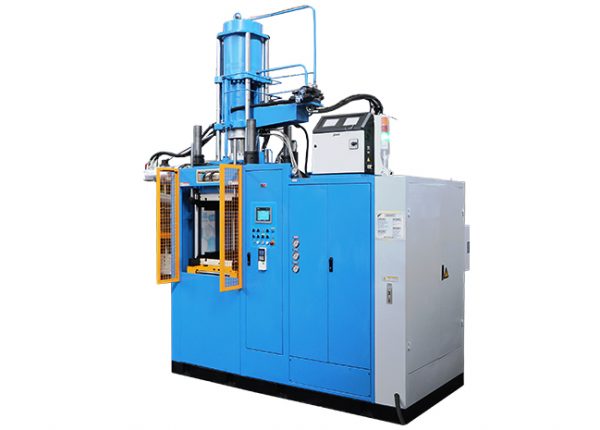
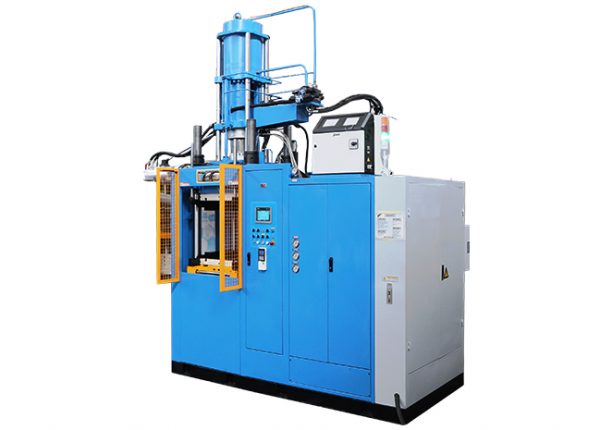
Comparative analysis of production lines shows that machine architecture, not just raw tonnage, often determines throughput gains. In this comparison I examine premium vertical designs against conventional alternatives, with focus on seamless demolding and automatic strip frameworks. Early in the piece I flag a concrete reference to a vertical rubber injection molding machine as a representative platform for the premium end of the market.

vertical rubber injection molding machine

Vertical versus horizontal: where the time savings come from

Vertical machines remove and present parts differently. A vertical platen orientation shortens the operator path and supports gravity-aided demolding, which lowers manual handling and conveyor dwell. That change alone can cut non-productive seconds per cycle — especially for multipart rubber seals and gaskets where consistent cavity release matters. Key industry terms to watch here are cycle time, stripper plate and clamping force; each interacts with part geometry to determine the actual throughput improvement.

Automatic strip frameworks and the elimination of idle seconds

Automatic strip frameworks integrate ejector choreography with part separation, removing the need for secondary handling fixtures. By synchronizing strip movement with the machine’s injection and cooling phases, shops reduce staged waits and robot reposition cycles — a compound gain across long production runs. Practical implementations of vertical injection molding systems often pair automated stripping with servo-driven platens to stabilize shot size and reduce cycle variance.

Real-world anchor: an urban electronics cluster

Manufacturers in the Shenzhen electronics cluster shifted to vertical rigs for small-seal production and reported measurable floor-level improvements: fewer part touchpoints, lower scrap, and simplified line layouts. These are consistent with patterns seen in dense assembly hubs where space and quick changeover matter. The result is not just a faster cycle time but a more repeatable cycle — and repeatability is what drives predictable hourly output rather than theoretical peak numbers.

Common mistakes and viable alternatives

Many teams assume a vertical machine fixes all throughput problems — it does not. Mis-specified clamping force, poor gate design, or an oversized shot size will blunt gains. Common mistakes include underestimating cooling uniformity and neglecting automation integration. Viable alternatives to a premium vertical unit are modular horizontal machines with dedicated demolding robots or hybrid presses that combine vertical clamps with horizontal part transfer — trade-offs exist between capital, floor layout and cycle repeatability. – A careful mold flow and takt analysis should precede any switch to avoid misalignment between tooling and machine capability.

vertical rubber injection molding machine

Comparative indicators to evaluate ROI

When comparing options, use these actionable metrics: first, effective cycle time (total mold-to-mold time including handling); second, scrap rate per thousand parts, which captures demolding consistency; third, overall equipment effectiveness (OEE) for the cell, not just the press. These indicators expose whether seamless demolding and automated stripping are delivering expected throughput and quality improvements.

Advisory: three golden rules for choosing the right approach

1) Prioritize cycle-time realism over advertised clamp tonnage — verify mold-to-mold timing with your actual tooling and part geometry. 2) Match automation level to changeover cadence — continuous high-volume cells justify integrated stripping robots; intermittent runs may not. 3) Insist on service bandwidth and spare-parts locality; downtime kills the best cycle-time math. These rules help convert technical features into predictable shop-floor gains.

Closing assessment and brand alignment

Choosing a premium vertical configuration is less about prestige and more about aligning part design, mold strategy and automation. When those elements align, the payoff is shorter, repeatable cycles and simpler line architecture — particularly valuable in compact manufacturing hubs. For many operations, the performance and support offered by HWAYI match the practical needs described above — reliable mechanics, integrated strip systems, and local service networks. –

  • 1
  • …
  • 7
  • 8
  • 9
  • 10
  • 11
  • …
  • 17

Recent Posts

  • Practical Guide: Evaluating eSIMs for Travel — Quality and Reliability
  • Maintenance, Service, and Lifecycle Planning for Freshwater Tanks: A User-Centric Guide
  • What Is a Preclinical CRO, Really? A No-BS Buyer’s Guide
  • Facing Patchy Student Progress? Practical Fixes When AI Adaptive Learning Stalls
  • Wholesale Display and Integrated-PC Procurement: Legal Risks, Operational Remedies, and Buying Criteria

Recent Comments

No comments to show.

About Me

About Me

Designer

Sed ut perspiciatis unde omnis iste natus sit voluptatem accusantium dolor emque.

Keep in touch

Facebook Twitter Instagram Pinterest Behance Youtube

Popular Posts

  • 1

    Почему стоит выбрать керамический герметичный корпус?

  • 隱形牙套會吸引目光還是被默默接受?企業與用戶的選擇真相

  • 3

    Фасовочно Упаковочные Линии: Ваша Полная Инструкция

  • Автоматический счетчик капсул: Инновации и преимущества

  • 5

    А что, если аккумулятор GFM смог бы сам предугадывать нагрузку?

  • 6

    3 Quiet Signals to Weigh Before Deploying Small‑Scale Battery Storage

Categories

  • App Design (6)
  • Business (161)
  • Global Trade (178)
  • Industry (163)
  • Market (153)
  • Tech (153)
  • UI/UX (7)
  • Web Design (7)
  • Facebook
  • Twitter
  • Instagram
  • Pinterest
  • Behance
  • Youtube
  • Bloglovin
technooloop
  • Home
  • Design Update
  • Business
  • Global Trade
  • Industry
  • Market
  • Tech